Li Zhong Wan (Classic Warming Formula for the Digestive System)
Li Zhong Wan is a classic Traditional Chinese Medicine (TCM) formula in the category of “warming the interior.” In modern language, it’s mainly used to gently warm the digestive system, drive out internal cold, and support vital energy and blood circulation in the middle of the body (the spleen and stomach system in TCM theory). Over the centuries, many slightly different versions of Li Zhong Wan have appeared in major medical classics. Below is an easy-to-read overview of these traditional prescriptions and what they were historically used for.
What Is Li Zhong Wan?
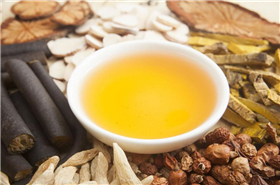
In TCM, the “middle” refers to the spleen and stomach system, which is responsible for transforming food and drink into energy and nourishing the whole body. When this middle region is attacked by cold or is weak and under-functioning, you may see symptoms like loose stools, lack of appetite, cold hands and feet, dull abdominal pain that feels better with warmth, nausea, vomiting, or even sudden vomiting and diarrhea. Li Zhong Wan was designed to warm this middle area, move out cold, and help it function properly again.
The core, most famous version of Li Zhong Wan comes from the Shang Han Lun (Treatise on Cold Damage), one of the foundational classics of TCM. Its four main herbs are ginseng (for vital energy), atractylodes (for digestion and fluid handling), dried ginger (to warm and drive out cold), and licorice (to harmonize and support the formula).
Li Zhong Wan Formula 1
Source: Ming dynasty, Fang Xian, Qi Xiao Liang Fang (Miraculous Effective Prescriptions).
Herbal name: Li Zhong Wan
Ingredients (equal parts): ginseng, atractylodes, dried ginger (processed), prepared licorice. Some versions add processed aconite root in a smaller amount.
Preparation: The herbs are ground into a powder and mixed with a flour paste to form pills about the size of a small seed.
Traditional function and use: Warms the center and disperses cold; traditionally used for abdominal pain caused by internal cold.
Traditional dosage: About 80 small pills per dose, swallowed with rice water before meals.
Li Zhong Wan Formula 2 (Core Classic Version)
Source: Shang Han Lun (Treatise on Cold Damage).
Herbal name: Li Zhong Wan
Also known as: “Si Shun Li Zhong Wan” in Bei Ji Qian Jin Yao Fang and “Bai Zhu Wan” in Sheng Ji Zong Lu.
Ingredients (about 90 g each): ginseng, dried ginger, prepared licorice, atractylodes.
Preparation: The four herbs are powdered and bound with honey into pills about the size of an egg yolk.
Traditional function: Warms the middle and dispels internal cold; supports vital energy and strengthens the spleen.
Traditional indications: Spleen and stomach yang deficiency with internal cold, showing loose stools without thirst, vomiting and abdominal pain, abdominal fullness with poor appetite, cold-type cholera (sudden vomiting and diarrhea due to cold), cold-type bleeding from yang deficiency (such as vomiting blood, blood in stool, or uterine bleeding), and chest discomfort due to deficiency, with chest pain radiating to the back, fatigue, shortness of breath, and cold limbs.
Traditional dosage: Dissolve 1 pill in several small cups of boiling water, crush it, and drink warm 3–4 times during the day and twice at night. If the abdomen still doesn’t feel warm, the dose may be increased to 3–4 pills, though it was historically considered less fast-acting than the decoction (boiled form).
Modern note: Today, research on related warming and spleen-supporting formulas suggests potential benefits for digestive function and circulation, but rigorous human data is still limited (PMID: 33215537).
Li Zhong Wan Formula 3
Source: Bo Ji Fang, Volume 2.
Herbal name: Li Zhong Wan
Ingredients: asafoetida (prepared with flour and vinegar and roasted), zedoary rhizome (roasted), sparganium rhizome (roasted), prepared licorice, green tangerine peel (white pith removed), aged tangerine peel (inner pith removed), dried ginger (processed), cinnamon bark (outer bark removed), dried papaya, atractylodes (about 30 g each, asafoetida about 7.5 g).
Preparation: Ten ingredients are powdered and formed with flour paste into cherry-sized pills, then coated with high-quality cinnabar.
Traditional function: Moves and disperses cold-type stagnant qi, relieves stabbing pain, and regulates the middle.
Traditional indications: All types of painful “cold qi” attacks with stabbing pain, distention and fullness in the chest and abdomen, cold stomach with vomiting, and gripping pain around the navel.
Traditional dosage: 1 pill per dose, chewed, then swallowed with a decoction made from fresh ginger, papaya, and salt. For women with stabbing abdominal pain related to blood flow, it is taken with stir-fried angelica root and ginger decoction.
Li Zhong Wan Formula 4
Source: Pu Ji Fang, Volume 208, quoting Dan Liao Fang.
Herbal name: Li Zhong Wan
Ingredients: ginseng 1 liang, roasted dried ginger 1 liang, stir-fried atractylodes 1 liang, prepared licorice 0.5 liang.
Preparation: Powder the herbs and bind with refined honey into marble-sized pills.
Traditional function: Primarily used for chronic diarrhea due to internal cold and spleen deficiency.
Traditional dosage: 1 pill per dose, chewed and swallowed with warm ginger decoction.
Li Zhong Wan Formula 5
Source: Gu Jin Yi Jian, Volume 5.
Herbal name: Li Zhong Wan
Ingredients (1 qian each): ginseng, stir-fried dried ginger, poria, prepared licorice.
Preparation: Powdered and bound with honey into pills, each weighing 1 qian.
Traditional function: Addresses sudden cramping “cholera” patterns: sudden onset vomiting and diarrhea, severe abdominal pain, and “true yin” collapse with icy cold hands and feet.
Traditional dosage: Chew 1 pill well and swallow with light ginger tea.
Traditional note (clinical application): In the Jiajing jiazi year, many people in the Liang and Song regions developed a condition described as “true yin” collapse, starting with numbness in the soles of the feet spreading up to the knees, with numerous deaths. A regional governor named Zhao released this formula to the public, and many sufferers reportedly benefited.
Dietary caution: Rice water was traditionally avoided while taking this version.
Li Zhong Wan Formula 6 (Pediatric Focus)
Source: Chun Jiao Ji, Volume 4.
Herbal name: Li Zhong Wan
Ingredients: cultivated ginseng (2 qian, root hairs removed), specially prepared atractylodes (2 qian, stir-fried with soil), carbonized dried ginger (1.5 qian), prepared licorice (1 qian).
Preparation: Powder the herbs, then bind into pills weighing about 0.5 qian each.
Traditional function: Used for children with spleen deficiency and internal cold, showing a bluish facial tint, abdominal pain, cold vomiting and cold-type diarrhea, cold hands and feet, and other deficiency cold patterns.
Traditional dosage: 1–3 pills per dose, taken with decocted red dates (pits and stem removed), cooled, and mixed with the pills.
Li Zhong Wan Formula 7 (For Food Stagnation in Children)
Source: Yu Ying Mi Jue, Volume 1.
Herbal name: Li Zhong Wan
Ingredients: hawthorn fruit pulp (5 qian), stir-fried medicated leaven (3 liang), prepared pinellia (3 liang, soaked), poria (1 liang), aged tangerine peel with white pith removed (1 liang), stir-fried radish seed (1 liang), forsythia fruit (1 liang), and stir-fried malted flour (1 liang).
Preparation: Powder all the herbs. Separately use 5 liang of raw medicated leaven, mix with fresh ginger juice and water to form a paste, then roll into pills.
Traditional function: Helps with food stagnation in children, especially from overeating or heavy, greasy foods, when there is a sense of fullness and discomfort in the chest and abdomen, or palpable food masses in the belly.
Traditional dosage: Swallow with warm water or plain broth.
Important caution from the classic: This version is not for children with a weak, cold digestive system (spleen–stomach deficiency). The text warns that if the spleen and stomach are truly weak and there is no food retention, taking a strong food-dissolving herb like hawthorn can actually make the weakness worse (called “making the emptiness more empty” in TCM language).
Li Zhong Wan Formula 8 (Infant Cold in the Womb)
Source: Pu Ji Fang, Volume 361.
Herbal name: Li Zhong Wan
Ingredients (equal parts): ginseng, processed dried ginger, atractylodes, prepared licorice.
Preparation: Powdered and bound with honey into marble-sized pills.
Traditional function: Warms the middle and relieves pain.
Traditional indications: Cold contracted in the womb in infants, with abdominal pain and constant crying due to internal cold.
Traditional dosage: 1 pill cooked in 1 cup of water with 1 split red date until reduced by half; the decoction is divided into three warm doses.
Li Zhong Wan Formula 9 (For Cold-Type Cough)
Source: Zhi Zhi, Volume 8.
Herbal name: Li Zhong Wan
Ingredients (equal parts): ginseng, dried ginger, atractylodes, prepared licorice.
Preparation: Powdered and bound with honey into marble-sized pills.
Traditional function: Tonifies the lung and stops cold-type cough.
Traditional dosage: 1 pill per dose, taken with a decoction that includes roasted donkey-hide gelatin and five-flavor berry (schisandra).
Li Zhong Wan Formula 10
Source: Sheng Ji Zong Lu, Volume 38.
Herbal name: Li Zhong Wan
Ingredients: galangal (1 liang, sliced), atractylodes 1 liang, cinnamon bark 0.5 liang (rough outer bark removed), prepared licorice 0.5 liang.
Preparation: Powdered and bound with honey into marble-sized pills.
Traditional function: Used for sudden cold-type vomiting and diarrhea (“cholera patterns”) with heart and abdominal pain.
Traditional dosage: 1 pill per dose, dissolved in a strong decoction of tangerine peel; timing was not restricted.
Li Zhong Wan Formula 11
Source: Wai Tai, Volume 6, quoting Yan Nian Mi Lu.
Herbal name: Li Zhong Wan
Ingredients: atractylodes 2 liang, processed dried ginger 2 liang, ginseng 2 liang, prepared licorice 2 liang, stir-fried barley malt 2 liang.
Preparation: Powdered and bound with honey into seed-sized pills.
Traditional function: Sudden vomiting and diarrhea (“cholera”) and undigested food retention.
Traditional dosage: 15 pills per dose, swallowed with water twice daily, gradually increasing to 20 pills if tolerated.
Dietary cautions: Traditionally, patients were told to avoid seaweed, certain cabbage-like greens, peaches, plums, and sparrow meat while taking this formula.
Li Zhong Wan Formula 12 (Adjustable Version)
Source: Qian Jin Yi, Volume 18.
Herbal name: Li Zhong Wan
Ingredients (1 liang each): ginseng, atractylodes, dried ginger, prepared licorice.
Preparation: Powdered and bound with honey into marble-sized pills.
Traditional function: Core formula for cold-type “cholera” (sudden vomiting and diarrhea). This classic also provides a series of detailed adjustments depending on exactly how the symptoms show up.
Traditional modifications and uses:
- If vomiting is heavy but diarrhea is mild: add roasted immature bitter orange (3 fruits, quartered), boil in 3 cups of water down to 1 cup, and take with 1 pill.
- If vomiting is mild but diarrhea is heavy: add extra dried ginger.
- If vomiting, diarrhea, and dry retching occur together: add 0.5 liang of prepared pinellia (washed to remove surface slickness), boil 2 cups of water down to 1 cup, and take with 1 pill.
- If there is severe whole-body pain: boil 3 red dates in 3 cups of water down to 1 cup and take with 1 pill.
- If vomiting and diarrhea are extreme with leg cramps: rub the abdomen and kidney area (from chest to ankles) with leek juice, always stroking downward, not upward.
- If the body is cold with slight sweating and cold inside the abdomen: boil 1 processed aconite (peeled and quartered) in 2 cups of water down to 1 cup and take with 1 pill. Once vomiting and diarrhea stop but the pulse is still weak and the body remains cold, other tonifying decoctions are recommended afterward.
Modern note: Aconite is extremely toxic if not properly processed. Modern regulations in many countries strictly control or prohibit its internal use (PMID: 28160544). Never attempt to self-use aconite-containing formulas.
Li Zhong Wan Formula 13
Source: Wai Tai, Volume 6, quoting Guang Ji Fang.
Herbal name: Li Zhong Wan
Ingredients: ginseng 8 fen, atractylodes 8 fen, prepared licorice 8 fen, dried ginger 6 fen, galangal 8 fen, inner cinnamon bark 6 fen.
Preparation: Powdered and bound with honey into seed-sized pills.
Traditional function: Harmonizes imbalances between cold and heat, used for cholera-like vomiting and diarrhea, and food retention that does not resolve.
Traditional dosage: 30 pills per dose, taken with water on an empty stomach twice daily, gradually increasing to 40 pills, adjusting up or down for age and body size.
Dietary cautions: Avoid raw and cold foods, greasy foods, raw green onion, seaweed, cabbage-like greens, peaches, plums, and sparrow meat while on this formula.
Li Zhong Wan Formula 14
Source: Bo Ji, Volume 2.
Herbal name: Li Zhong Wan
Ingredients: asafoetida (prepared with flour and vinegar and roasted), roasted sparganium, roasted zedoary, prepared licorice, green tangerine peel (white removed), aged tangerine peel (inner pith removed), processed dried ginger, cinnamon bark (outer bark removed), dried papaya, atractylodes (most at 1 liang, asafoetida 1 fen).
Preparation: Powdered and bound with flour paste into cherry-sized pills, then coated with cinnabar.
Traditional function: For painful cold-type qi attacks causing stabbing pain, distention and fullness of the chest and abdomen, cold stomach with vomiting, and gripping pain around the umbilicus.
Traditional dosage: 1 pill per dose, chewed and swallowed with a decoction of fresh ginger, papaya, and salt. For women with stabbing pain related to the uterus and blood, it is taken with stir-fried angelica root and ginger decoction.
Li Zhong Wan Formula 15
Source: Sheng Hui, Volume 47.
Herbal name: Li Zhong Wan
Ingredients: ginseng 1 liang (root hairs removed), processed dried ginger 1 liang, prepared licorice 0.5 liang (lightly roasted), atractylodes 1 liang.
Preparation: Powdered and bound with honey into marble-sized pills.
Traditional function: Cold-type cholera with vomiting or diarrhea, dry mouth and intense thirst, headache, and generalized body pain.
Traditional dosage: 1 pill per dose, dissolved in thin rice porridge and swallowed, timing not restricted.
Li Zhong Wan Formula 16 (For Middle Qi Deficiency with Heat)
Source: Jiao Zhu Fu Ren Liang Fang, Volume 24.
Herbal name: Li Zhong Wan
Ingredients (equal parts): ginseng, prepared licorice, stir-fried atractylodes.
Preparation: Powdered and bound into seed-sized pills using fresh ginger juice as the binding “paste.”
Traditional function: For “middle qi deficiency with heat,” including mouth and tongue sores, not wanting cold drinks, fatigue of the limbs, and poor appetite.
Traditional dosage: About 50 small pills per dose, swallowed with warm water.
How Li Zhong Wan Fits into Modern Understanding
From a modern integrative point of view, Li Zhong Wan and its variations focus on three main things: gently warming the digestive system, supporting overall vital energy, and improving the way the body handles fluids. That’s why many classic texts use it for loose stools without thirst, cold abdominal pain that eases with warmth, and sudden cold-type vomiting and diarrhea. Some components, such as dried ginger and ginseng, have been studied for their effects on gut motility, circulation, and inflammation, although most studies use single herbs or simplified formulas rather than these exact traditional combinations (PMID: 29099763).
The earliest TCM classics, including the Yellow Emperor’s Inner Classic (Huang Di Nei Jing), emphasize that the spleen and stomach are the foundation of postnatal life—meaning digestion is seen as the root of later-life health. That idea is reflected in how widely Li Zhong Wan has been used across history to stabilize the “middle burner” and help the body rebuild after cold, weakness, or serious diarrhea-like illnesses (Huang Di Nei Jing, Su Wen).
Important Safety Notes
- No self-diagnosis: Many of these formulas were used for serious, even life-threatening conditions like severe vomiting and diarrhea. Similar symptoms today could be caused by infections, internal bleeding, or other emergencies. Always seek medical care if symptoms are acute, severe, or getting worse.
- Aconite-containing versions are high-risk: Some traditional variations include aconite, a strongly toxic herb if not correctly processed and dosed. Aconite use has been linked with serious heart rhythm problems and poisoning (PMID: 28160544). Do not attempt to prepare or take any aconite-containing formula on your own.
- Children and infants: A few versions are specifically for pediatric use, but doses and herb choices for children are very different from adults. Never give herbal pills to a child without guidance from a licensed TCM practitioner or pediatric professional.
- Potential interactions: Herbs like ginseng and licorice can interact with blood pressure medications, blood thinners, and certain heart medicines, and licorice can raise blood pressure in some sensitive people (PMID: 32057416). Inform your doctor and your TCM practitioner about all medications and supplements you use.
- Pregnancy and breastfeeding: If you are pregnant, trying to conceive, or breastfeeding, do not use Li Zhong Wan or any strong warming formulas without individualized professional guidance.
- Quality and sourcing: Only consider products from reputable manufacturers that test for heavy metals, pesticides, and contaminants. The exact classical honey-pilled forms described above are rarely used in their original dosage forms today; modern TCM doctors usually adapt doses and forms for safety.
3-Second Self-Test + 30-Second Self-Care
3-second self-test: If your main digestive discomfort actually feels worse with warmth, spicy food, or hot drinks, then your pattern is unlikely to match the “cold in the middle” picture that Li Zhong Wan was built for.
30-second self-care: If your belly pain feels better with a warm hand or a hot water bottle, and you tend to have loose stools when you get chilled, then immediately focus on simple, non-herbal care first: sip small amounts of warm (not scalding) water, avoid raw or iced foods for the day, keep your abdomen and feet warm, and arrange a visit with a qualified TCM practitioner to see whether a warming digestive formula is appropriate for you.
For informational purposes only. Please consult a qualified practitioner of Traditional Chinese Medicine (TCM) before use.
References
- Integrative review of classic TCM formulas for digestive disorders (PMID: 33215537)
- Clinical and toxicological review of aconite (PMID: 28160544)
- Safety considerations and interactions of licorice (PMID: 32057416)
- Huang Di Nei Jing (Yellow Emperor’s Inner Classic), Su Wen – classical foundation text on the spleen and stomach