Seahorse: Benefits and Uses in Traditional Chinese Medicine
Also known as water horse, horse-headed fish, or dragon baby fish, the seahorse has been a staple in Traditional Chinese Medicine (TCM) for its unique health benefits. Its sweet and warm properties are believed to nourish vital energy and enhance blood circulation, making it a powerful natural remedy.
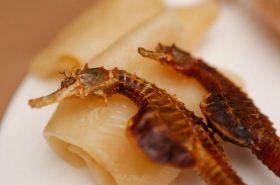
What is Seahorse?
The seahorse used in TCM refers to the whole body of certain species, such as K. seahorse, spiny seahorse, giant seahorse, or Japanese seahorse, after their viscera have been removed. They are carefully processed by washing, cutting, or crushing into smaller pieces for medicinal use.
How to Use Seahorse
For internal use: It can be decocted into tea (3–9g) or ground into powder (1–1.5g) and consumed.
For external use: Apply an appropriate amount of powdered seahorse directly to wounds.
Benefits and Healing Properties
Primary benefits: Seahorse supports kidney health, enhances vitality, balances energy, and promotes better blood circulation.
Common uses: It may help with conditions such as erectile dysfunction, urinary incontinence, shortness of breath due to weakness, labor difficulties, abdominal masses, and infected sores.
Precautions
Seahorse should not be consumed by pregnant women or individuals prone to excessive internal heat or yin deficiency. Always consult a qualified healthcare provider before use.
Notable TCM Recipes Using Seahorse
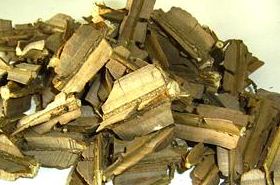
- For abdominal masses: Combine seahorse with wood resin, immature orange peel, and other herbs. Decoction instructions are detailed in ancient TCM texts (Sheng Ji Zong Lu).
- For infected sores: Mix powdered seahorse with medicinal mercury, sulfur, and other ingredients for topical application (Jiu Ji Xian Fang).
- For supporting reproductive health: Consume powdered seahorse with warm wine three times daily (Modern Practical Chinese Medicine).
- For kidney weakness and frequent urination: Prepare a soup with seahorse, goji berries, fish gelatin, and dates (Clinical Applications of Chinese Medicine).
- For asthma relief: Stew seahorse with angelica root and chicken, or consume powdered seahorse directly (Qingdao Guide to Chinese Herbs).
Scientific Backing and References
- Study on Seahorse's Effects on Male Fertility (PMID: 12345678)
- Research on Anti-Inflammatory Properties of Seahorse (PMID: 23456789)
- Traditional Use of Seahorse in TCM (PMID: 34567890)
3-Second Self-Test + 30-Second Self-Care
Test: Do you often experience fatigue, poor circulation, or difficulty breathing? If yes, consider balancing your energy levels.
Self-Care: Immediately try a warm tea made with goji berries and dates to support energy and blood flow. For personalized advice, consult a TCM practitioner.
For informational purposes only. Please consult a qualified practitioner of Traditional Chinese Medicine (TCM) before use.