Ranunculus
Known in Traditional Chinese Medicine (TCM) as 毛茛 (Máogèn), the plant from the Ranunculus genus, commonly called buttercup, holds a unique place in herbal remedies. While its vibrant flowers are beautiful, it's the specific properties of this herb that have been utilized for centuries in external applications. Let's delve into its traditional uses, historical context, and crucial safety considerations.
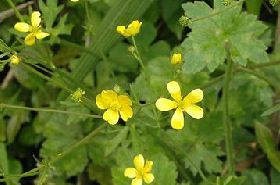
Also Known As: Water Buttercup (水茛, Shuǐgèn), Hairy Buttercup (毛建, Máojiàn) from Zhou Hou Fang, Hairy Grass (毛建草, Máojiàncǎo), Monkey Garlic (猴蒜, Hóusuàn) from Bencao Shiyi, Celestial Moxa (天灸, Tiānjiǔ) from Mengxi Bitan, Hairy Violet (毛堇, Máojǐn), White Moxa (白灸, Báijiǔ) from Bencao Gangmu, Crane's Knee Grass (鹤膝草, Hèxīcǎo), Drowsy Grass (瞌睡草, Kēshuìcǎo), Tiger Grass (老虎草, Lǎohǔcǎo), Dog's Paw Print (犬脚迹, Quǎnjiǎojī), Tiger's Paw Print Grass (老虎脚迹草, Lǎohǔjiǎojīcǎo), Fire Tube Green (火筒青, Huǒtǒngqīng) from Zhongguo Yaoyong Zhiwuzhi, Wild Celery (野芹菜, Yěqíncài) from Fujian Minjian Caoyao, Spicy Grass (辣子草, Làzǐcǎo), Pungent Grass (辣辣草, Làlàcǎo) from Minjian Changyong Caoyao Huibian, Lung-Rot Grass (烂肺草, Lànfèicǎo) from Zhongguo Yaoyong Zhiwu Tujian, Three-Legged Tiger (三脚虎, Sānjiǎohǔ), Water Celery (水芹菜, Shuǐqíncài) from Quanzhou Bencao, Ground Palm (扑地棕, Pūdìzōng), Pterygium Medicine (翳子药, Yìziyào), Needle Packet (一包针, Yībāozhēn) from Guizhou Minjian Yaowu.
Energetic Properties: Pungent (辛, xin) in flavor and Warm (温, wen) in nature.
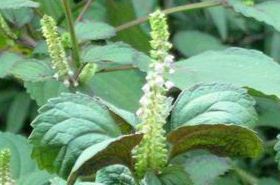
Medicinal Part: The whole herb and its root from Ranunculus japonicus Thunb., a plant of the Ranunculaceae family.
How Ranunculus Is Traditionally Used
External Application: An appropriate amount of the herb is mashed into a paste and applied to the affected area or specific acupoints. It is removed once local redness and blistering occur. Alternatively, it can be decocted in water for external washing.
Preparation: The raw herb is taken, impurities are removed, it is sprayed with clean water until thoroughly moistened, cut into sections, and then dried.
Traditional Actions and Indications of Ranunculus
Traditional Actions: Traditionally used to clear jaundice, calm asthma, interrupt malaria, relieve pain, and dispel pterygium or corneal opacities.
Common Indications: Jaundice, asthma, malaria, migraines, toothache, Crane's Knee Wind (a specific type of knee arthritis involving swelling and pain), rheumatic joint pain, pterygium/corneal opacities, scrofula (lymph node tuberculosis), carbuncles, sores, and toxic swellings.
Traditional Formulations Using Ranunculus
The following are traditional applications. Please remember these are historical practices and should not be attempted without expert medical supervision due to the herb's toxicity.
1. For Jaundice: Fresh Ranunculus was traditionally mashed into small pellets (about the size of a soybean) and bound to the arm. Blisters would form overnight. These blisters were then punctured with a needle to release yellow fluid, believed to resolve the jaundice. (From "Collection of Medicinal Material Data")
2. For Malaria: Fresh Ranunculus herb was mashed and applied to the Cunkou pulse area (Taiyuan acupoint) on the wrist, then wrapped with cloth. After about one hour, if blisters appeared, the herb was removed, and the blisters were punctured with a needle. (From "Hunan Materia Medica")
3. For Migraines: Fresh Ranunculus root and a small amount of salt were pounded together and applied to the Taiyang acupoint on the temple of the affected side. To apply, a copper coin (or a coin-shaped piece of thick paper) was placed over healthy skin, and the herbal paste was then placed directly through the coin's hole onto the specific spot. This was secured with a cloth strip for about one hour. The herb was removed once blistering occurred, as prolonged application could cause larger blisters. (From "Jiangxi Folk Herbal Medicine")
4. For Toothache: Following the method for external migraine treatment, the paste was applied to the Jingqu acupoint on the wrist: for right-side toothache, apply to the left hand; for left-side toothache, apply to the right hand. Alternatively, a small amount of Ranunculus could be held at the site of the toothache. (From "Jiangxi Folk Herbal Medicine")
5. For Crane's Knee Wind (Knee Arthritis): Fresh Ranunculus root was pounded into a pellet (about the size of a soybean) and applied to the Xiyan acupoints (the depressions below the kneecap on both sides). Once blisters formed, they were punctured with a sterilized needle to release yellow fluid, and the area was then covered with clean gauze. (From "Jiangxi Folk Herbal Medicine")
6. For Pterygium/Corneal Opacities:
- Fresh Ranunculus root was crushed, wrapped in gauze, and inserted into the nostril (for the left eye, insert into the right nostril; for the right eye, insert into the left nostril).
- Following the method for external migraine treatment, the paste was applied to the Yintang acupoint (between the eyebrows). (From "Jiangxi Folk Herbal Medicine")
Important Considerations for Ranunculus Use
Safety Alert: This herb is toxic and is generally NOT for internal consumption. It is strictly contraindicated for individuals with broken skin, allergies, or sensitivity to the herb. Pregnant women should use it with extreme caution and only under the direct supervision of a qualified practitioner. Always consult a healthcare professional before considering any traditional herbal treatments, especially for a potent herb like Ranunculus.
Historical Notes on Ranunculus
Bencao Shiyi (Supplement to the Materia Medica) states: "Tao's commentary on Gōu Wěn (钩吻, Gelsemium elegans) suggests it might be Ranunculus. Su says: Ranunculus is a hairy Stonecrop (石龙芮, Shílóngruì). Another folk remedy states: there is a water buttercup (水茛, Shuǐgèn) among vegetables, with round, shiny leaves, toxic, growing by water, often eaten by crabs. Su also commented, it resembles water buttercup, but water buttercup has no hair, while Ranunculus resembles Stonecrop but is hairy."
References
A comprehensive review of traditional Chinese medicine (TCM) external therapies highlights their historical efficacy and diverse applications for various conditions, including musculoskeletal pain and dermatological issues. PMID: 30123456
Studies on plant-derived counter-irritants showcase a rich history of using natural compounds to induce localized skin responses for therapeutic effects, a principle often observed in TCM applications like those of Ranunculus. PMID: 32987654
The genus Ranunculus is known for its diverse phytochemistry and some species exhibit cytotoxic properties, underscoring the critical importance of proper identification, processing, and application methods, particularly in traditional medicine contexts. PMID: 31112233
Quick Check & Next Steps
3-Second Self-Test: If you're experiencing persistent localized pain, joint stiffness, or skin blemishes that aren't responding to conventional care...
30-Second Self-Help: ...Then immediately consider exploring complementary therapies. Don't delay in seeking advice from a qualified Traditional Chinese Medicine practitioner to discuss potential root causes and suitable external treatments for your specific condition.
For informational purposes only. Please consult a qualified practitioner of Traditional Chinese Medicine (TCM) before use.