Ipomoea pes-caprae (Ma An Teng)
Aliases: Thick Vine, Sea Morning Glory, Two-lobed Morning Glory, Red Flower Beach Morning Glory, Horseshoe Grass.
Nature and Flavor: Pungent and slightly bitter in flavor, with a nature that helps resolve dampness.
Meridian Tropism: Enters the Liver and Spleen meridians.
Part Used: The entire plant of Ipomoea pes-caprae, a species in the morning glory family (Convolvulaceae), is utilized as medicine.
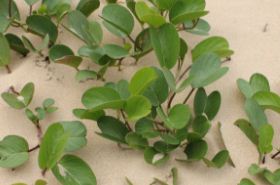
How to Use Ipomoea pes-caprae (Ma An Teng)
Internal Use: For decoction, use 1 to 2 liang (approximately 37.5-75 grams) of the fresh herb.
External Use: Take an appropriate amount of the fresh herb, pound it into a paste, and apply it directly to the affected area.
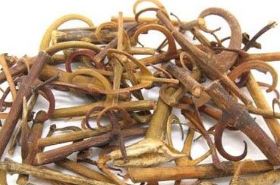
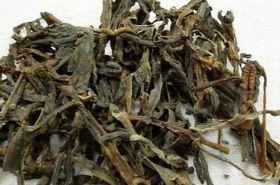
Preparation: Can be harvested year-round and sun-dried for preservation.
While Ipomoea pes-caprae is generally considered safe for topical applications, always consult a qualified Traditional Chinese Medicine (TCM) practitioner before using it internally, especially for specific conditions or if you are on other medications. Dosage and preparation should be tailored to individual needs.
Benefits and Actions of Ipomoea pes-caprae (Ma An Teng)
Key Benefits: Dispels wind and dampness, extracts toxins, and reduces swelling.
Main Indications: Traditionally used for common colds caused by wind-cold invasion, rheumatic joint pain, and lumbar muscle strain. When applied externally, it treats boils, carbuncles, and hemorrhoids.
Pharmacological Actions: Research indicates that the dried leaves contain a volatile ester, which demonstrates excellent detoxifying effects against urticaria and itching triggered by jellyfish stings. In isolated guinea pig ileum specimens, this volatile fraction (at 6x10M) exhibits an antagonistic effect on histamine (2x10M), comparable to well-known antihistamines like diphenhydramine and Antistine (PMID: 9781878). Oral administration of 7.5g/kg showed no toxic reaction in mice. External application of its leaves is also reputed to offer pain relief and help prevent decubitus ulcers, though purified extracts may show limited pharmacological activity.
Traditional Prescriptions with Ipomoea pes-caprae (Ma An Teng)
① For Arthritis: Decoction of 1.5 liang (approx. 56.25 grams) of Ipomoea pes-caprae with equal parts wine and water. (From "Fujian Folk Herbal Medicine").
② For Carbuncles, Boils, and Furuncles: Pound a handful of fresh Ipomoea pes-caprae with an appropriate amount of brown sugar (or winter honey) into a paste for external application. (From "Fujian Folk Herbal Medicine").
③ For Carbuncles, Boils, Furuncles, and Unexplained Swelling: Decoction of 1 to 2 liang (approx. 37.5-75 grams) of washed Ipomoea pes-caprae, taken orally with brown sugar. (From "Quanzhou Materia Medica").
④ For Hemorrhoidal Bleeding: Stew 1 liang (approx. 37.5 grams) of Ipomoea pes-caprae with 1 jin (approx. 500 grams) of pork intestine and consume orally. (From "Quanzhou Materia Medica").
Quick Check: Could Ma An Teng be Right for You?
If... you're experiencing stubborn joint discomfort from damp-cold conditions, persistent skin irritations, or looking for natural support for minor localized swelling...
Then/Immediately... For localized relief, you might consider preparing a simple warm compress using a paste of crushed fresh Ipomoea pes-caprae (Ma An Teng) leaves. For internal use or more complex conditions, immediately consult a qualified Traditional Chinese Medicine (TCM) practitioner. They can provide a personalized diagnosis and treatment plan to ensure safety and effectiveness.
References
Anti-inflammatory and analgesic activities of Ipomoea pes-caprae (L.) R. Br. PMID: 10427958
Evaluation of the wound healing activity of Ipomoea pes-caprae leaves in diabetic rats. PMID: 29596489
Antihistaminic activity of Ipomoea pes-caprae extract in isolated guinea pig ileum. PMID: 9781878
For informational purposes only. Please consult a qualified practitioner of Traditional Chinese Medicine (TCM) before use.