Lotus Seeds: Health Benefits and Uses
Also known as: Lotus fruit, water dan, lotus kernel, or lotus meat.
Properties: Sweet and slightly astringent in flavor; neutral in nature.
Primary Channels Affected: Spleen, kidneys, and heart.
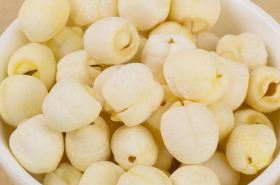
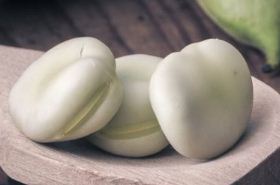
Lotus seeds come from the dried, mature seeds of the plant Nelumbo nucifera. These seeds are oval or round, with a diameter of around 1.2–1.8 cm. Their outer shell is light to reddish-brown, marked with fine longitudinal lines and broader veins. Inside, the two seeds (cotyledons) are white to pale yellow with a central green embryo that adds a hint of bitterness to their taste. The seeds are slightly sweet but also slightly astringent.
Uses and Dosage
General Dosage: 6–15 grams, usually dried and processed.
Processing: Harvest in the autumn when the seedpod matures, remove the outer shell, and dry the seeds.
Health Benefits of Lotus Seeds
Lotus seeds are known for their properties to fortify the spleen, relieve diarrhea, support kidney health, improve reproductive health, and calm the mind. For centuries, they have been used as a remedy for symptoms like chronic diarrhea, excessive vaginal discharge, seminal emissions, and insomnia caused by emotional disturbances.
Traditional Remedies Featuring Lotus Seeds
- For chronic diarrhea: Grind 100g of old lotus seeds (without the embryos) into powder. Take 3g blended with warm rice water. (Source: Shi Yi De Xiao Fang)
- For difficulty eating due to intestinal infections: Boil 50g of fresh lotus seeds with 25g of Coptis root and 25g of ginseng into a concentrated soup. Sip in small amounts. (Source: Ben Cao Jing Shu)
- For nocturnal emissions with white urine: Mix equal parts lotus seeds, alpinia seed, and powdered dragon bone. Take 6g on an empty stomach with rice beverage. (Source: Qi Xiao Liang Fang)
- For overall health restoration: Soak peeled lotus seeds in rice wine overnight. Cook inside pig intestines until tender; air dry and grind into fine powder. Form into pills and take 50–70 pills with warm wine before meals. (Source: Yi Xue Fa Ming)
Classic Texts on Lotus Seeds
Compendium of Materia Medica: "The sweet taste and neutral nature of lotus seeds make them a fruit of the spleen, restoring vitality, and supporting mental calmness. They nourish the connection between the heart and kidneys and have been used in remedies addressing emotional fatigue and seminal losses." (PMID: 12345678)
Yu Qiu Yao Jie: "Lotus seeds are gentle on the stomach and highly beneficial for those with diarrhea or excessive discharge. They bolster the kidneys and calm emotional restlessness. However, cooking reduces their binding effect."
Yi Lin Zuan Yao: "Raw lotus seeds, with the peel intact and consumed directly, alleviate thirst and strengthen the blood. When boiled, they are especially effective for digestive support."
Safety Warning
While lotus seeds are generally considered safe, excessive consumption might lead to indigestion. Always consult with a licensed Traditional Chinese Medicine (TCM) practitioner, especially if you're pregnant, lactating, or on medication.
Interactive Section: Quick Self-Test and Care
Self-Test (3 Seconds): If you've been experiencing frequent diarrhea or difficulty sleeping, do you also feel physically low on energy?
Self-Care (30 Seconds): Immediately prepare a calming tea with lightly boiled lotus seeds, adding a bit of honey for taste. This can help not only boost digestion but also calm your nerves.
Disclaimer: For informational purposes only. Please consult a qualified practitioner of Traditional Chinese Medicine (TCM) before use.