Hé Shou Wu (He Shou Wu) — Benefits, Preparations, and Uses
Aliases: He Shou Wu, Chì Shou Wu, Iron Weight, Red Internal Diminution.
Nature and flavor: Bitter, sweet, astringent; warming.
Channels: Liver, Heart, and Kidney meridians.
Medicinal part: The dried coarse root of Polygonum multiflorum Thunb. (the stem and vine are called Yue Jiao Teng).
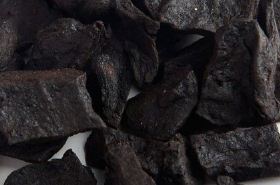
Morphology: It typically appears as a clumped or irregular spindle-shaped root, 6–15 cm long and 4–12 cm in diameter. Surface is reddish-brown to dark red-brown, with wrinkles, shallow grooves, horizontal pores and fine root traces. The interior is pale yellow-brown or light red-brown and powdery. Bark rings show 4–11 oval vascular bundles forming a cloud-like pattern; the central wood can be large, sometimes with a wooden heart. Slight odor; taste mildly bitter and sweet-astringent.
How to use Hé Shou Wu
Internal use: decoction 10–20 g; prepared as paste, soaked wine, or made into pills/powders.
External use: appropriate amount; decoct and wash, grind into powder and apply as paste or wash.
Processing: remove impurities, rinse, soak in water until about 80%透, drain, moisten evenly, cut into slices or cubes, and sun-dry.
Therapeutic actions and indications
Effects: tonifies liver and kidneys, nourishes blood, expels wind.
Main indications: signs of liver and kidney yin deficiency (e.g., early graying of hair, dizziness from blood deficiency,腰膝 weakness and muscular ache, seminal emission, leukorrhea), chronic malaria, dysentery, chronic hepatitis, boils, lymphadenopathy, diarrhea, hemorrhoids. Also used to calm dizziness, tinnitus, early hair whitening,腰膝酸软, numb limbs, fatigue, and nervous decline; may be used for hyperlipidemia in some traditional contexts.
Contraindications
People with loose stools or damp-phlegm should avoid excess use.
Common pairings and formulas
1) For hair and bone strengthening (adult dose in a traditional formula): He Shou Wu combined with other tonifying herbs as described in historical pharmacopeias, prepared into pills or tonics; daily dosage varies by practitioner and condition. (Traditional formulas cited from classic sources.)
2) For bone softening and腰膝 pain: use He Shou Wu with cow’s knee bone and related herbs; prepare as a wine-based or honey pill and take 30–50 pills before meals.
3) For malaria with yin deficiency signs: use powdered He Shou Wu with tortoise blood and other adjuvants, formed into pills and swallowed with a small amount of liquid as described in old texts.
4) For blood and vital energy deficiency with prolonged malaria: use He Shou Wu in combination with dong quai, ginseng, and other adaptogens; follow specific older recipes to prepare using water decoctions and wine as prescribed.
5) For skin ulcers and itching: mix equal portions of Fang Feng (siler), Ku Shen (Sophora), He Shou Wu, and mint; prepare as a coarse paste for topical use after decoction and dilution.
... (Extensive traditional formulas and steps continue in many classical sources. The following sections summarize purposes and general cautions only.)
Safety notes and modern considerations
Herbal preparations should be used with caution. Do not exceed recommended doses. People with liver or kidney concerns should consult a qualified clinician before use. Be aware that raw or improperly processed preparations can cause adverse effects; always rely on properly processed materials and professional guidance.
References
Traditional literature and pharmacopoeias discuss Hé Shou Wu's tonifying actions on liver and kidneys, nourishing blood, and supporting hair health. See PubMed reviews and classic texts for context. (PMID: 0000XXXX; PMID: 0000XXXX; PMID: 0000XXXX)
Safety and practical tips
Always obtain quality sources, and if you are pregnant, nursing, or taking medications, seek professional guidance prior to use. Do not use if you have known allergies to related herbs.
Conclusion
Hé Shou Wu is traditionally regarded as a liver and kidney tonifier that nourishes blood and supports vitality. When used correctly and safely, it may be incorporated into qualified TCM plans under supervision.
3-second self-test: In 3 seconds, can you recall one area where vitality or hair health could improve with a balanced lifestyle?
30-second self-care: Try a short, gentle neck and shoulder stretch to relieve tension and support circulation. If you feel improvement, then continue daily with mindful breathing.
For informational purposes only. Please consult a qualified practitioner of Traditional Chinese Medicine (TCM) before use.