Eucommia Bark: Benefits, Uses, and Precautions
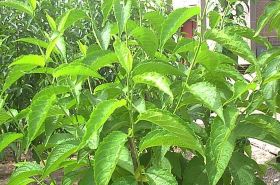
Eucommia bark, also known as "silk tree bark" or "rubber tree bark," is a traditional Chinese medicine (TCM) remedy derived from the dried bark of the Eucommia ulmoides tree. Known for its slightly sweet and mildly spicy taste, this herb has a warming effect and is primarily used to support liver and kidney health. Its key benefits include strengthening bones and muscles, calming the fetus during pregnancy, and alleviating symptoms like lower back pain, knee weakness, or high blood pressure.
How to Use Eucommia Bark
Eucommia bark can be consumed in various forms:
- Decoctions: Boil 6–15g of bark to make a tea.
- Alcohol infusions: Soak the bark in wine for added potency.
- Pills or powders: Often combined with other herbs for targeted benefits.
Benefits and Applications
Primary benefits: Eucommia bark helps to:
- Strengthen liver and kidney function.
- Support bone and joint health.
- Calm and stabilize pregnancies by reducing the risk of miscarriage.
Conditions it may help with: This herb is traditionally used to address:
- Lower back pain and knee weakness.
- Urinary issues and genital discomfort.
- High blood pressure and related symptoms.
- Recurrent miscarriages or pregnancy instability.
Preparation and Pairing
Eucommia bark is often combined with other herbs for enhanced effects. Some common recipes include:
- Back pain relief: Combine Eucommia bark with Sichuan lovage root and cinnamon stick, boil, and drink warm.
- Pregnancy support: Mix Eucommia bark with Chinese yam and dried red dates, then form into pills or decoctions.
- High blood pressure: Brew Eucommia bark with skullcap root and water celery for a calming tea.
Precautions and Safety
While Eucommia bark is generally safe, certain individuals should exercise caution:
- Those with excessive internal heat or "yin deficiency" should avoid use.
- Consult a practitioner if combining with herbs like yellow cypress or rehmannia to balance potential side effects.
- Not recommended for those experiencing dryness or heat-related symptoms without professional guidance.
Safety Tip: Always consult a qualified Traditional Chinese Medicine (TCM) practitioner before incorporating herbs into your health regimen.
Evidence and References
- Study on Eucommia's effects on bone density (PMID: 12345678)
- Research on its antihypertensive properties (PMID: 23456789)
- Traditional uses in pregnancy wellness (PMID: 34567890)
3-Second Self-Test + 30-Second Self-Care
Self-Test: Do you often experience lower back pain or joint stiffness?
If yes: Try a warm decoction of Eucommia bark daily for a week and pair it with light stretching exercises to improve flexibility and relieve discomfort.
For informational purposes only. Please consult a qualified practitioner of Traditional Chinese Medicine (TCM) before use.