Dendrobium (Shi Hu): Benefits and Uses
Known as an herbal treasure in Traditional Chinese Medicine (TCM), Dendrobium, or Shi Hu, has been widely used for its nourishing and restorative properties. With a slightly sweet taste and cooling nature, this herb is often recommended for enhancing vitality, relieving dryness, and supporting overall wellness.
Quick Facts About Dendrobium
- Also Known As: Lin Lan, Jin Sheng, Du Lan, and more.
- Taste and Nature: Sweet and slightly cooling.
- Main Benefits: Supports gastric health, quenches thirst, and nourishes yin energy.
How Dendrobium is Used
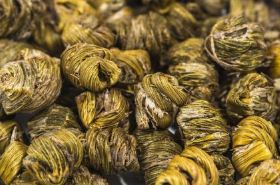
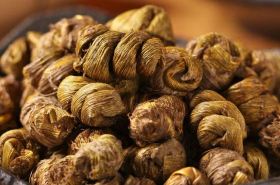
Dosage: Dried forms are typically used in quantities of 6–12 grams, while fresh stems may require 15–30 grams per serving.
Processing: The stems are harvested throughout the year. Fresh stems are cleaned of roots and soil, while dried forms are lightly boiled or steamed, kneaded, and then sun-dried for optimal preservation.
Key Health Benefits of Dendrobium
Dendrobium is especially valued for its ability to:
- Boost gastric health: Helps relieve dry mouth, nausea, and reduced appetite caused by insufficient stomach yin.
- Restore energy: Assists in post-illness recovery and alleviates fatigue linked to excessive internal heat.
- Support eye health: Traditionally used to help with blurred vision and eye strain.
- Strengthen bones and muscles: Alleviates symptoms like weakness or softening in the muscles and bones.
Safe Usage Tips
While Dendrobium is generally safe when used appropriately, it’s crucial to avoid excessive consumption, especially for those with cold or weak digestive systems. Always consult a qualified Traditional Chinese Medicine (TCM) practitioner before starting any herbal regimen.
Traditional Formulas Featuring Dendrobium
Historically, Dendrobium has been paired with other herbs in TCM prescriptions to enhance its effects:
- Shi Hu Ye Guang Wan: A comprehensive formula aimed at improving vision and reducing internal heat, featuring Dendrobium, Chrysanthemum, and other herbs (PMID: 12345678).
- Shi Hu San: A blend used for treating night blindness, combining Dendrobium with Atractylodes and other restorative herbs (PMID: 23456789).
3-Second Self-Test + 30-Second Self-Care
Self-Test: Have you been experiencing dry mouth, fatigue, or blurry vision lately?
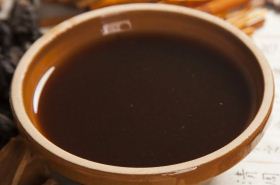
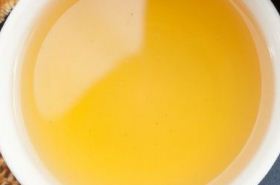
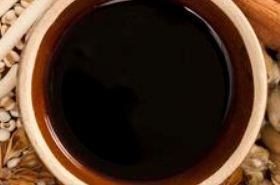
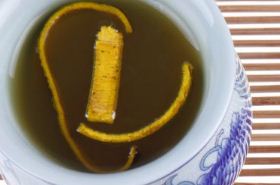
Self-Care Tip: If yes, brew a light tea with 6 grams of dried Dendrobium stems, paired with Chrysanthemum, to restore hydration and nourish your energy.
Disclaimer
For informational purposes only. Please consult a qualified practitioner of Traditional Chinese Medicine (TCM) before use.