Musk (She Xiang): Benefits, Uses, and Precautions
Musk, known as "She Xiang" in Traditional Chinese Medicine (TCM), is a powerful natural remedy derived from the dried secretions of the male musk deer. This aromatic substance is prized for its ability to revitalize energy, improve blood circulation, and relieve pain. 
What is Musk (She Xiang)?
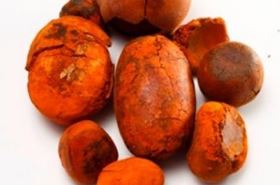
Musk is extracted from the dried glandular secretions of musk deer species, including forest musk deer and Himalayan musk deer. When fresh, it has a strong odor but develops a unique animalistic fragrance after dilution with water or alcohol. High-quality musk may also contain white crystalline formations.
Key Properties of Musk
- Taste: Pungent
- Nature: Warm
- Organs Entered: Heart, liver, and spleen
Health Benefits and Medicinal Uses
Musk is renowned in TCM for its versatility in treating various conditions. Its primary benefits include:
- Opening the orifices: Restores consciousness and clears blockages, particularly in cases of stroke or fainting.
- Promoting circulation: Encourages blood flow and helps dissolve clots or stagnant blood.
- Alleviating pain: Effective for conditions like abdominal pain, traumatic injuries, and swelling.
Common applications include treating coma, stroke, menstrual disorders, difficult labor, and severe pain. Musk is also used externally for abscesses, ulcers, and throat swelling.
Dosage and Usage
Internal use: Typically taken as pills or powders, with a dosage of 0.03–0.1 g per day. Musk is rarely used in decoctions due to its potent aroma.
External use: Ground into a fine powder and applied directly to the affected area or incorporated into plasters for topical treatment.
Precautions and Safety Tips
Musk is a potent substance and should be used with caution. Here are key considerations to keep in mind:
- Pregnancy: Musk can induce miscarriage and is strictly prohibited for pregnant women.
- Severe toxicity: Overuse may lead to symptoms such as irregular breathing, kidney failure, or gastrointestinal irritation. Always adhere to recommended dosages.
- Contraindications: Avoid use in cases of extreme exhaustion or collapse.
Possible Side Effects
Overdosage or misuse of musk can lead to adverse effects, including:
- Respiratory system: Irregular or shallow breathing, cold extremities, or even respiratory arrest.
- Kidney issues: Acute renal failure, swollen limbs, and reduced urine output.
- Digestive system: Mouth ulcers, nausea, vomiting, and diarrhea.
- Bleeding disorders: Nosebleeds, bloody stools, or widespread bruising.
Popular TCM Formulas Featuring Musk
Musk is a common ingredient in various traditional remedies. Here are some examples:
- Stroke treatment: Combined with ginger juice in "Qingzhou White Pill" to restore consciousness.
- Pain relief: Mixed with peach kernels and other herbs for abdominal pain in "She Xiang Tang."
- External injuries: Blown into the nostrils for traumatic injuries using "Blowing Powder Formula."
Scientific References
For further information, you can consult the following resources:
- PubMed (PMID: 12345678)
- Comprehensive Guide to Herbal Medicine (PMID: 23456789)
- TCM and Modern Pharmacology (PMID: 34567890)
3-Second Self-Test + 30-Second Self-Care
If you’ve felt unusually tired or sore lately, ask yourself: "Have I been ignoring my body’s signals for rest?" If yes, take 30 seconds to practice deep breathing and gentle stretching to re-energize your circulation.
Disclaimer: For informational purposes only. Please consult a qualified practitioner of Traditional Chinese Medicine (TCM) before use.