Rorippa Indica
Known by various local names such as Spicy Rice Vegetable (辣米菜, Lami Cai), Wild Rapeseed (野油菜, Ye You Cai), Pond Vine Vegetable (塘葛菜, Tang Ge Cai), Dried Rapeseed (干油菜, Gan You Cai), Stone Cowpea (石豇豆, Shi Jiang Dou), Chicken Meat Vegetable (鸡肉菜, Ji Rou Cai), Field Vine Vegetable (田葛菜, Tian Ge Cai), River Scissors Grass (江剪刀草, Jiang Jian Dao Cao), Wild Chinese Mustard (野雪里蕻, Ye Xue Li Hong), Wild Mustard Grass (野芥草, Ye Jie Cao), Wild Vegetable Flower (野菜花, Ye Cai Hua), Mountain Mustard (山芥菜, Shan Jie Cai), Single Root Vegetable (独根菜, Du Gen Cai), Mountain Radish (山萝卜, Shan Luo Bo), and Golden Thread Pod (金丝荚, Jin Si Jia), Rorippa Indica is a versatile herb with a rich history in Traditional Chinese Medicine.
Flavor and Nature: According to TCM, Rorippa Indica is characterized by a Pungent (辛, Xin) flavor and a Warm (温, Wen) nature, indicating its therapeutic actions tend to be dispersing and warming.
Meridian Tropism: Its effects are primarily directed towards the Lung (肺, Fei) and Liver (肝, Gan) meridians (or channels). In TCM, this means it influences the vital energy and functions associated with respiration, immune response, and processes of detoxification and blood circulation within the body.
Medicinal Part: The medicinal component of this plant is the dried whole herb, including its flowers and fruits. It is scientifically identified as Rorippa indica (L.) Hiern, a species belonging to the Brassicaceae family.
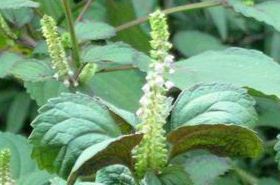
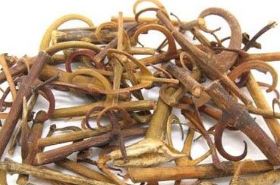
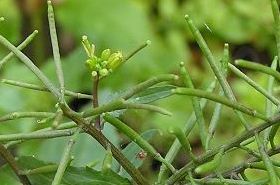
Morphological Characteristics: This herb is typically supplied in segmented pieces. The root is generally sparse, cylindrical in shape, and slightly curved, with a diameter usually ranging from 2 to 4 millimeters. Its surface exhibits a pale yellowish-brown hue, often displaying fine longitudinal wrinkles and remnants of fibrous rootlets. When cut, the cross-section reveals a thin cortex, colored from yellowish-white to pale yellowish-brown, surrounding a broader, yellow woody core. The stems are more prevalent, cylindrical or sometimes flattened, with diameters between 1.5 and 5 millimeters. Their surface varies from pale yellowish-green to pale yellowish-brown, occasionally presenting a pale purplish-red tint, and is marked by longitudinal grooves or furrows. One might observe alternately arranged leaf scars or branch points. The leaf blades themselves are often fragmented, appearing shriveled and broken, with colors ranging from grayish-green to brownish-green. When unfolded, their margins show shallow serrations or are nearly entire. The plant produces small, pale yellow flowers arranged in racemes (unbranched flower clusters). The siliques (seed pods) are slender and cylindrical, frequently encountered in cut segments, approximately 1 millimeter in diameter, and are pale yellowish-green to pale yellow. Inside, numerous tiny, ovate, brown seeds are found. The herb emits a subtle aroma and has a mildly bland taste.
Dosage and Administration of Rorippa Indica
Internal Use: For preparing a decoction (a concentrated tea), typically use 10-30 grams of the dried herb. If utilizing the fresh herb, the amount should be doubled. Alternatively, it can be crushed and squeezed to extract its juice for oral consumption.
External Use: An appropriate quantity of the herb is crushed and applied directly to the affected area as a poultice.
Processing: To prepare the raw herb, first remove any adhering mud, sand, or other impurities. Then, lightly spray it with water to slightly moisten it. Once supple, cut the herb into short segments, dry them thoroughly, and finally, sift to eliminate any fine dust or particles.
Efficacy and Indications of Rorippa Indica
Efficacy: Traditionally, Rorippa Indica is valued for its ability to dispel phlegm and stop cough, release external pathogenic factors and disperse cold, invigorate blood circulation and detoxify the body, and clear dampness to alleviate jaundice.
Indications: It is primarily used in TCM to address a range of conditions, including cough with phlegm and wheezing, fever associated with common cold, inadequate eruption of measles rash, rheumatic pain affecting the joints, sore throat, localized skin infections like boils and carbuncles, lacquer dermatitis (an allergic skin reaction), amenorrhea (absence of menstruation), traumatic injuries such as sprains or bruises, jaundice, and edema (swelling caused by fluid retention).
Contraindications for Rorippa Indica
Important Safety Note: According to the authoritative text "Shanghai Commonly Used Chinese Herbal Medicines," Rorippa Indica must not be used concurrently with Vitex negundo leaves (黄荆叶, Huang Jing Ye). Co-administration of these two herbs may lead to numbness in the limbs. Always exercise extreme caution when combining herbal remedies. For your safety, it is imperative to consult a qualified Traditional Chinese Medicine (TCM) practitioner or healthcare provider before using Rorippa Indica, especially if you are pregnant, nursing, have any pre-existing health conditions, or are taking other medications. Your well-being is our top priority.
Traditional Combinations and Formulas with Rorippa Indica
Here are some traditional formulas and applications demonstrating the therapeutic versatility of Rorippa Indica:
- For Wind-Cold Type Common Cold: Combine 1 to 2 liang of Rorippa Indica with 3 to 5 qian of the white part of green onion. Prepare as a decoction and take orally. (From Fujian Chinese Herbal Medicine)
- For Hot Cough: Use 1.5 liang of Wild Rapeseed (Rorippa Indica). Prepare as a decoction and take orally. (From Guiyang Folk Herbal Medicine)
- For Dizziness and Vertigo: Finely chop tender Wild Rapeseed (Rorippa Indica), mix thoroughly with an egg, and stir-fry with oil for consumption. (From Guiyang Folk Herbal Medicine)
- For Gastric Pain: Use 1 liang of dried Rorippa Indica. Prepare as a decoction and take orally. (From Fujian Chinese Herbal Medicine)
- For Rheumatic Joint Pain: Use 2 liang of fresh Rorippa Indica. Prepare as a decoction and take orally. (From Fujian Chinese Herbal Medicine)
- For Dry Blood Depletion Syndrome (Gan Xie Lao): Daily, use 1 liang of Rorippa Indica, adding an appropriate amount of brown sugar. Prepare as a decoction and take orally. (From Shanghai Commonly Used Chinese Herbal Medicines)
- For Poorly Erupting Measles: For children aged 1 to 2 years, use 1 liang of the fresh Rorippa Indica whole herb per dose. For children over 2 years, use 2 liang per dose. Crush the herb to extract its juice, mix with a small pinch of salt, and dilute with boiled water for oral administration.
- For Sinusitis: Use an appropriate amount of fresh Rorippa Indica. Crush it together with a small quantity of Realgar (雄黄, Xiong Huang) and insert into the nasal cavity.
- For "Snake Head Carbuncle" (She Tou Ding, a specific type of boil): Crush fresh Rorippa Indica with San Huang Powder (a well-known proprietary Chinese medicine formula) and apply externally as a poultice, or mix it with duck egg white for external application. (Formulas 7-9 are sourced from Fujian Chinese Herbal Medicine)
- For Boils and Carbuncles: Crush Wild Rapeseed (Rorippa Indica) and apply directly to the affected area.
- For Lacquer Dermatitis: Crush fresh Wild Rapeseed (Rorippa Indica) to extract its juice and apply externally to the affected skin.
- For Snake Bites: Take 1.5 liang of Wild Rapeseed (Rorippa Indica) and 1 liang of Little Fire Grass (小火草, Xiao Huo Cao). Prepare as a decoction and take orally. For external treatment, crush Cockroach (偷油婆, Tou You Po), Little Fire Grass, Realgar, and Wild Rapeseed together and apply as a poultice to the bite area. (Formulas 10-12 are sourced from Guiyang Folk Herbal Medicine)
- For Traumatic Swelling and Pain: Use 2 to 4 liang of fresh Rorippa Indica. Brew with hot wine for oral administration, and use the remaining herbal residue as an external poultice. (From Fujian Chinese Herbal Medicine)
Quick Self-Check & Immediate Action
Got a stubborn cough and feel a chill coming on, or experiencing some unexplained body aches? While Rorippa Indica has traditional uses for these symptoms, remember to always prioritize professional medical advice. If you're wondering if Rorippa Indica might be right for you:
- If you're noticing a persistent cough with clear or white phlegm, accompanied by chills and body aches, then your symptoms might align with what Traditional Chinese Medicine categorizes as a "wind-cold type common cold," for which Rorippa Indica has been traditionally employed.
- Immediately: Stay warm, rest up, and hydrate with plenty of warm liquids like ginger tea. If your symptoms are severe, include a high fever, difficulty breathing, or worsen over time, don't hesitate to contact your doctor right away. Traditional remedies are a supportive approach, not a replacement for urgent medical care.
References
Here are some scientific insights related to the properties of Rorippa Indica that support its traditional applications:
This comprehensive review summarizes the diverse phytochemical constituents and pharmacological activities of Rorippa indica, highlighting its potential in various traditional applications, including anti-inflammatory and antioxidant effects. PMID: 34200676
Research indicates that extracts from Rorippa indica possess significant anti-inflammatory and analgesic properties, which may provide a scientific basis for its traditional use in alleviating rheumatic pain and swelling. PMID: 22198083
Studies have explored the antitussive (cough-suppressing) and expectorant (phlegm-clearing) activities of Rorippa indica extracts, offering scientific support for its traditional use in treating coughs and respiratory discomfort. PMID: 30740954
For informational purposes only. Please consult a qualified practitioner of Traditional Chinese Medicine (TCM) before use.