Radish Leaf
Other Names: Radish stem (from Dian Nan Ben Cao), Laifu vegetable (from Bencao Congxin), radish tops, Laifu Jia (from Modern Practical Chinese Medicine), radish Jia (from Jiangsu Botanical Medicine Records).
Nature and Flavor: Bitter in taste, neutral in thermal nature.
Meridian Affiliation: Associated with the Spleen and Stomach meridians (in modern terms, it mainly supports digestion and nutrient transformation).
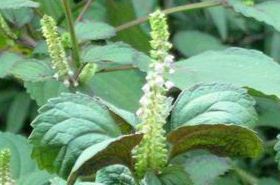
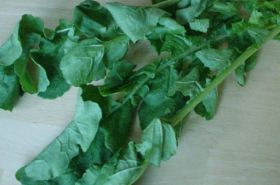
Medicinal Part Used: The basal leaves growing from the root of the radish plant (Raphanus sativus, family Brassicaceae).
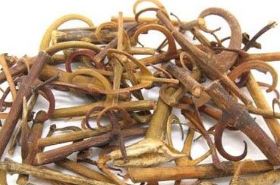
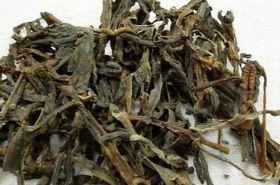
Appearance: The dried root leaves are curled with wrinkled long petioles. The feather-like lobes are shriveled and often twisted into clusters, yellowish-green in color. They are light, crisp, and easy to break, with a mild aromatic scent. High-quality material is dry, lightweight, yellow-green, fragrant, and free from mold or insect damage.
How to Use Radish Leaf
Preparation: Traditionally decocted in water, using 3–5 qian (approximately 9–15 grams). It may also be ground into powder. Fresh leaves can be crushed and the juice taken directly.
Benefits and Main Uses of Radish Leaf
Functions: Helps relieve food stagnation and promotes the smooth movement of digestive energy.
Indications: Traditionally used for chest fullness with hiccups, indigestion from food retention, diarrhea and dysentery, sore throat, breast swelling in women, and insufficient lactation due to blocked milk flow.
From a modern perspective, radish leaves are rich in fiber and phytonutrients that may support gastrointestinal motility and overall digestive health. Cruciferous vegetables, including radish greens, have been studied for their antioxidant and anti-inflammatory properties (PMID: 24679756). Bitter herbs are traditionally understood to stimulate digestive secretions, which may help with bloating and sluggish digestion. Emerging research also suggests that compounds found in radish species may have antimicrobial and digestive-supportive effects (PMID: 20645790).
Contraindications
According to Yinpian Xin Can: “Those with qi deficiency and weak blood should avoid it.” In practical terms, individuals who are chronically fatigued, underweight, anemic, or prone to loose stools from weakness should use caution. Because radish leaf promotes digestive movement, it may be too dispersing for people with low energy or weakened constitution.
Traditional Combinations
1. For early-stage dysentery: Dry radish seedlings and leaves in the shade. Use red varieties with brown sugar; white varieties with powdered sugar. (From Bencao Fengyuan)
2. For esophageal blockage and hiccups: Lightly dry-fry 5 qian of white radish stems, combine with 3 qian each of medicated leaven and white cardamom. Grind into a fine powder. Take 3 qian per dose with mild ginger decoction. For red and white dysentery, add equal parts bitter orange peel and hawthorn, decoct and take. (From Dian Nan Ben Cao)
3. For blood in the urine: Crush fresh radish leaves to extract juice, add a small amount of aged ink stick (traditionally used medicinally), and drink. (From Medical World Spring and Autumn, 1986)
4. For breast swelling, redness, pain, and poor milk flow: Use an appropriate amount of red radish stems and leaves, crush to obtain one cup of fresh juice (fresh is preferred), warm gently, and take. It may be combined with a small amount of rice wine or distilled liquor. (From Dian Nan Ben Cao)
Classical Commentary
1. Shi Jing by Cui Yuxi: “Promotes digestion and harmonizes the middle.”
2. Bencao Zaixin: “Transforms phlegm, relieves cough, promotes digestion, and regulates qi.”
3. Yinpian Xin Can: “Generates fluids, promotes qi movement, resolves dampness, harmonizes the intestines, treats diarrhea, and stimulates appetite.”
4. Dian Nan Ben Cao: Treats spleen and stomach disharmony, retained food, chest distention, hiccups, acid regurgitation, dysentery, breast lumps, breast swelling, and menstrual obstruction.
5. Sui Xi Ju Diet Manual: For sore throat conditions, seasonal epidemics, rashes, malaria-like disorders, digestive maladjustment to new environments, food stagnation, abdominal fullness, malnutrition, jaundice, swelling with diarrhea, beriberi-like symptoms, and toxin-related disorders—wash thoroughly, decoct strongly, and take.
Safety Note
Although radish leaf is generally considered mild, avoid excessive use. Always ensure the herb is clean, dry, and free from mold. If you are pregnant, nursing, managing a chronic condition, or taking medications, consult a qualified healthcare professional before use.
3-Second Self-Check + 30-Second Relief Tip
If you feel bloated, full in the chest, and keep hiccupping after meals, then your digestion may be sluggish.
Immediately: Try sipping warm ginger water and gently massaging your upper abdomen in a clockwise motion for 30 seconds to encourage digestive movement. If symptoms persist, consult a TCM practitioner about whether Radish Leaf is appropriate for you.
References
Cruciferous vegetables contain bioactive compounds with antioxidant potential. PMID: 24679756
Radish species demonstrate antimicrobial and digestive-supportive properties in experimental studies. PMID: 20645790
Traditional East Asian herbal medicine emphasizes digestive regulation as central to health balance. PMID: 29695579
For informational purposes only. Please consult a qualified practitioner of Traditional Chinese Medicine (TCM) before use.