Maoche Vine (Sour-Fruit Vine): Traditional Uses for Low Breast Milk
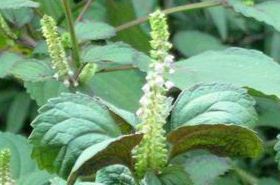
Maoche vine, also known as sour-fruit vine or saw-tooth vine, is a traditional Chinese medicinal plant used mainly for new moms who are struggling with low or no breast milk after giving birth. In Traditional Chinese Medicine (TCM), the root of this plant is the part that’s used.

What Part of Maoche Vine Is Used?
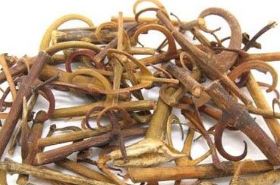
Maoche vine belongs to the dogbane family. In TCM, only the root is used as medicine. The root is considered the active part that supports breast milk production in postpartum women.
How Maoche Vine Is Prepared
The root of maoche vine can be harvested throughout the year. Traditionally, the preparation process is very simple:
- Dig up the roots.
- Wash them thoroughly to remove soil and impurities.
- Slice the roots into thin pieces.
- Dry the slices in the sun until they are fully dried.
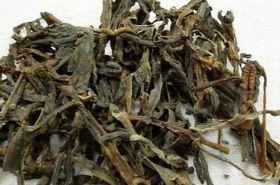
These dried root slices are then stored and used later to make herbal decoctions (herbal teas made by simmering the herb in water).
Traditional Dosage and How It’s Taken
In TCM practice, maoche vine root is taken internally as a decoction (a strong herbal tea made by boiling the herb in water):
- Internal use (oral): 6–9 grams of dried root per day, simmered in water as a herbal tea.
The exact dose, how long to take it, and whether it should be combined with other herbs are usually decided by a qualified TCM practitioner based on the woman’s overall condition, body type, and other postpartum symptoms.
Traditional Benefits and Uses of Maoche Vine
Main Traditional Function
The key traditional function of maoche vine root is to help stimulate breast milk production. In TCM, it is used for women who are not producing enough milk after childbirth.
Primary Traditional Indications
According to TCM records, maoche vine is mainly used for:
- Postpartum absence of breast milk – when breast milk does not come in after delivery.
- Postpartum low breast milk supply – when breast milk is present but very scanty.
In TCM theory, many cases of low breast milk are related to insufficient vital energy and blood circulation after childbirth, or blocked flow in the breast channels. Herbs like maoche vine are traditionally used to help restore this balance and support milk flow.
Modern Perspective & Evidence (Important Note)
So far, there is very limited modern scientific research in English specifically on maoche vine root and its effects on breast milk. Most of what we know comes from traditional use and classical TCM literature, not from large, well-controlled clinical trials.
However, the idea of using herbs to support lactation (galactagogues) has been studied in general. Some TCM formulas that tonify vital energy and blood circulation or move stagnation are traditionally used for postpartum recovery and lactation support, although the quality of evidence is often low to moderate (PMID: 24549245). Classical TCM texts like the Huangdi Neijing also describe how the state of a mother’s vital energy and blood circulation after childbirth can influence breast milk production and overall recovery (Huangdi Neijing, Suwen, Chapters 1–3). In addition, modern reviews suggest that while certain herbs may help some women with lactation, safety and effectiveness need to be evaluated on an individual basis, especially during breastfeeding (PMID: 25251922).
Safety, Side Effects & Essential Precautions
Because maoche vine belongs to the dogbane family, which includes some plants that can be toxic to the heart if misused, safety is a serious concern. The original traditional notes on this herb do not provide detailed toxicity data, so extra caution is needed.
Key safety points you should know:
- Do not self-prescribe if you are pregnant or breastfeeding. Even though this herb is traditionally used for breastfeeding, the dose, preparation, and combination with other herbs must be customized by a professional.
- Do not use maoche vine if you have heart disease, arrhythmia, kidney problems, or liver disease unless closely supervised by a qualified practitioner who knows both your medications and your TCM pattern.
- Watch for warning signs: If you ever feel palpitations, chest tightness, dizziness, shortness of breath, nausea, or strong fatigue after taking any herbal formula, stop immediately and seek medical help.
- Never exceed the traditional dose of 6–9 grams of dried root per day unless specifically adjusted and monitored by a licensed TCM practitioner.
- Avoid combining maoche vine with prescription drugs that affect the heart, blood pressure, or mood (such as beta-blockers, antiarrhythmics, or antidepressants) without medical supervision, because herb–drug interactions are possible.
Also remember: postpartum low milk supply can have many causes, including hormonal changes, stress, poor latch, infrequent feeding, dehydration, or underlying medical issues. Herbs alone are rarely the whole answer. Good breastfeeding technique, frequent nursing, and support from a lactation consultant are often essential.
How Maoche Vine Fits Into a TCM Postpartum Plan
In real-world TCM practice, maoche vine root is rarely used alone. It is usually part of a customized formula that may also include herbs to:
- Support vital energy (to help with fatigue and recovery).
- Support blood production and circulation (to help with dizziness, paleness, or weakness after blood loss).
- Relieve emotional stress and support relaxation (since stress can strongly affect milk flow).
A TCM practitioner will look at the whole picture: sleep, diet, mood, digestion, level of bleeding, pain, and the baby’s feeding pattern, then decide whether maoche vine is appropriate and how to balance it with other herbs and lifestyle advice.
References & Further Reading
- Li X et al. Herbal medicines for postpartum health and lactation support: an overview of traditional use and modern evidence (PMID: 24549245). View on PubMed
- Classic theory of postpartum blood and vital energy regulation and its influence on lactation, as described in the Huangdi Neijing (Yellow Emperor’s Inner Classic), Suwen, Chapters 1–3. Referenced via Huangdi Neijing discussion on PubMed
- Anderson PO. Herbal galactagogues: a review of safety and evidence in breastfeeding women (PMID: 25251922). View on PubMed
3-Second Self-Test + 30-Second Self-Care
3-second self-test: If you’re within a few months after childbirth and notice that your baby often seems unsatisfied after feeds, your breasts rarely feel full, and your milk hasn’t really “come in,” then you may be dealing with low milk supply.
30-second self-care: If this sounds like you, then immediately do two things: first, schedule a visit with a lactation consultant or your healthcare provider to check your baby’s latch, feeding frequency, and your overall health; second, if you’re interested in TCM support such as herbs like maoche vine, immediately reach out to a licensed TCM practitioner so you can discuss a safe, individualized plan rather than trying single herbs on your own.
Disclaimer: For informational purposes only. Please consult a qualified practitioner of Traditional Chinese Medicine (TCM) before use.