Hezi: A Traditional Remedy for Digestive and Respiratory Health
Known by several names—including He Lile and Suifengzi—Hezi is a time-honored herbal remedy widely used in Traditional Chinese Medicine (TCM). Its bitter, sour, and astringent taste, combined with its neutral properties, makes it a powerhouse for addressing conditions such as chronic diarrhea, coughing, and even vocal hoarseness.
What Is Hezi?
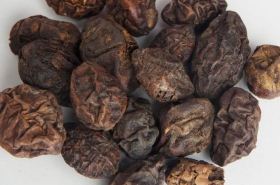
Derived from the dried ripe fruit of the Combretaceae plant family, Hezi typically measures 2–4 cm in length and 2–2.5 cm in diameter. Its outer appearance is yellow-brown to dark brown with distinct ridges and slight wrinkles. Inside, its seed is spindle-shaped and encased in thick flesh with a tart, sweet aftertaste.
How Is It Used in TCM?
Functions and Benefits
- Improves bowel movement by stopping diarrhea (astringent action).
- Relieves cough by reducing phlegm and inflammation in the lungs.
- Supports throat health by soothing pain and irritation.
Common Applications
Hezi is traditionally prescribed for:
- Stubborn diarrhea and dysentery.
- Anal prolapse and rectal bleeding.
- Chronic cough and shortness of breath caused by lung weakness.
- Persistent sore throat and loss of voice.
How to Use Hezi Safely
Dosage: 3–10 g in powdered or decocted form.
Preparation: Hezi fruits are soaked, de-seeded, softened, and dried before use in remedies. Ensure proper preparation before consumption.
Warning: Avoid using Hezi if you have unresolved external colds or an accumulation of damp heat in your digestive system.
Classic TCM Formulas Featuring Hezi
- For chronic cough and hoarseness: Combine Hezi (de-seeded), apricot kernels, and rice paper soaked in ginger. Boil into a concentrated decoction.
- For rectal bleeding: Roast Hezi with white alum, grind into powder, and consume with rice water.
- For persistent diarrhea in elderly individuals: Mix roasted Hezi with licorice root and consume in paste form.
Scientific Insights
Scientific studies align with TCM practices, revealing that Hezi’s rich tannin content is responsible for its notable astringent and anti-inflammatory effects. Research also highlights its potential for combating oxidative stress (PMID: 23557044) and promoting gastrointestinal health (PMID: 32199892).
3-Second Self-Test + 30-Second Self-Care
If you’ve been struggling with: chronic diarrhea, persistent cough, or vocal strain...
Then, immediately try: consulting a practitioner about incorporating Hezi into your wellness routine. Pair it with warm ginger tea for complementary soothing effects.
Important Disclaimer
This article is for informational purposes only. Please consult a qualified practitioner of Traditional Chinese Medicine (TCM) before using Hezi or any other herbal remedies.