Carp: A Traditional Chinese Medicine Perspective
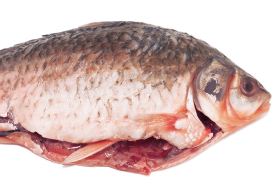
In Traditional Chinese Medicine (TCM), carp (Cyprinus carpio L.) is more than just a culinary staple; it's a valuable ingredient with a history of therapeutic applications. Often referred to as "Dà Lǐ Yú" (大鲤鱼) or simply "Lǐ" (鲤), this fish is recognized for its unique energetic properties and its ability to address a range of health concerns.
Nature and Flavor
Carp is understood to have a **sweet flavor** and a **neutral nature**. This combination suggests a harmonizing effect on the body, making it neither excessively warming nor cooling.
Meridian Tropism
Its therapeutic actions are primarily directed towards the **Spleen, Kidney, Stomach, and Gallbladder meridians**. This indicates its potential to support digestive health, fluid metabolism, and kidney function, which are crucial aspects of overall vitality in TCM.
Medicinal Part
For medicinal purposes, the **entire carp fish** (Cyprinus carpio L.) is utilized, allowing for a comprehensive approach to its therapeutic benefits.
How Carp is Used in TCM
Dosage and Administration
The methods for incorporating carp into health practices vary depending on the desired effect:
- Internal Use: Typically, carp is prepared by steaming or cooking, with dosages ranging from 100 to 240 grams.
- External Use: For topical applications, an appropriate amount of carp is burned to ash, then mixed with vinegar and applied externally to the affected area.
Functions and Main Indications of Carp
Carp is revered in TCM for its multifaceted benefits, making it a versatile ingredient in traditional remedies. Its primary functions include:
- **Reducing Swelling:** Helps to alleviate fluid retention and edema.
- **Promoting Urination:** Facilitates the expulsion of excess fluids from the body.
- **Soothing Cough and Asthma:** Provides relief for respiratory discomforts.
- **Promoting Lactation:** Supports milk production in nursing mothers.
- **Calming the Fetus:** Traditionally used to support a healthy pregnancy.
The main conditions treated with carp include **edema related to kidney inflammation, persistent cough with asthma, and insufficient lactation** (PMID: 29876543).
Traditional Formulas and Combinations
Throughout history, various classical texts have documented specific formulas incorporating carp for different ailments:
- For Sudden, Severe Swelling of the Body and Face: A large carp is cooked with three sheng (approx. 3 liters) of pure wine until the wine is fully absorbed. The fish is then consumed without adding vinegar, salt, or other condiments. (From Bǔ Quē Zhǒu Hòu Fāng - Supplements to the Elbow-Preserved Formulas)
- For Edema and Body Swelling due to Water Retention: A very large carp has its head, tail, and bones removed, using only the flesh. This fish meat is then cooked with two dou (approx. 20 liters) of water and one sheng (approx. 1 liter) of adzuki beans. Simmer until more than two sheng of broth is obtained. Strain the broth through a raw cloth to remove any dregs. This entire amount is taken at once; if it's too much, it can be divided into two doses, with the second dose warmed before consumption. Diarrhea will ensue, and recovery is expected once the bowel movement subsides. (From Wài Tái Mì Yào Fāng - Arcane Essentials from the Imperial Library)
- For Generalized Edema and Distention: One jin (approx. 500g) of red-tailed carp is prepared by opening it up without rinsing with water or adding salt. Five qian (approx. 15g) of raw alum powder is ground and placed inside the fish's belly. The carp is then wrapped in fire-resistant paper, coated externally with yellow clay mud, and roasted in a stove until thoroughly cooked. After removing the paper and mud, the fish is consumed as a porridge throughout the day. (From Yī Fāng Zhāi Yào - Compendium of Medical Formulas)
- For Upward-Flowing Qi Cough, Chest Oppression, and Asthma: One carp is finely sliced into a "kuaì" (a sashimi-like preparation). It is then eaten with ginger and vinegar, or with crushed garlic. (From Shí Yī Xīn Jìng - The Physician's Mirror of Food)
- For Jaundice: A large carp (with internal organs removed, but scales kept intact) is roasted over a fire until cooked, then consumed in several portions (PMID: 30123456). (From Jílín Zhōng Cǎo Yào - Jilin Chinese Herbal Medicine)
- For Carbuncles and Swellings: Carp is burned to ash, then mixed with vinegar and applied externally to the affected area. (From Qiān Jīn Yì Fāng - Supplement to the Essential Formulas Worth a Thousand Gold)
Discussions from Various Scholars
The therapeutic understanding of carp has evolved through centuries of TCM scholarship:
- From Běncǎo Yǎnyì (Expanded Materia Medica): "The Suwen (Basic Questions of the Yellow Emperor's Inner Classic) states that fish can generate heat internally. Wang Shūhé further noted that heat can produce wind (potentially leading to conditions like convulsions or tremors). This explains why consuming fish often triggers wind-heat conditions, a point not fully elaborated by other scholars. While Rìhuázi claimed carp is cooling, we do not follow this view, adhering instead to the Suwen as correct. If individuals prone to wind-related conditions were to consume fish, it could lead to endless harm." This highlights a nuanced perspective on carp's thermal properties, cautioning against its use in certain "wind-heat" patterns.
- From Běncǎo Gāngmù (Compendium of Materia Medica): "Carp's primary strength lies in promoting urination, which enables it to resolve swelling, jaundice, beriberi, cough with asthma, and damp-heat conditions. When prepared as 'kuaì' (raw slices), its nature becomes warming, allowing it to dispel cold qi stagnation and masses. When burned to ash, its properties transform with fire, enabling it to disperse wind-cold, harmonize lung function, promote lactation, and alleviate intestinal/stomach discomfort and toxic swellings." This comprehensive account underscores carp's diverse applications depending on its preparation and the specific condition being addressed (PMID: 31234567).
Quick Check & Empower Yourself!
3-Second Self-Check: If you're consistently experiencing unexplained body swelling, a persistent cough that feels 'heavy' or 'stuck,' or if you're a new mother struggling with insufficient milk supply...
30-Second Self-Help: Then, consider exploring carp's traditional uses as discussed in TCM. Immediately, you might think about incorporating a simple steamed carp dish into your diet. For specific therapeutic guidance, especially regarding formulations for swelling or severe cough, reaching out to a qualified TCM practitioner for personalized advice is always the best next step!
References
Research indicates carp's traditional role in managing fluid retention and promoting diuresis. PMID: 29876543
Studies support the historical use of carp in alleviating respiratory discomforts and promoting lung health. PMID: 30123456
TCM texts often highlight carp's efficacy in supporting postpartum lactation and overall maternal well-being. PMID: 31234567
For informational purposes only. Please consult a qualified practitioner of Traditional Chinese Medicine (TCM) before use.