Xijiao Dihuang Tang
Now, let's dive into the classic formula song that sums up Xijiao Dihuang Tang. It goes: 'Rhinoceros horn, Rehmannia, Peony, and Moutan bark, for blood heat causing reckless bleeding, nosebleeds, vomiting blood, and spots on the skin. If blood accumulation leads to madness with a dark purple tongue, cooling the blood and dispelling stasis will restore health.' In plain English, this formula is traditionally used when intense heat in the blood causes bleeding, unusual skin rashes, or even mental confusion, aiming to cool things down and clear out stagnation.
So, what's the deal with Xijiao Dihuang Tang? This condition usually stems from severe 'heat toxins' blazing in the 'blood level' of your body. The main game plan here is to 'clear heat and resolve toxins, cool the blood, and dispel blood stasis.' In Traditional Chinese Medicine (TCM), your Heart isn't just a pump; it 'governs blood and houses the spirit.' When heat invades this 'blood level,' a couple of things can happen. First, this heat can mess with your 'Heart spirit,' leading to high fever and delirium. Second, it can cause 'reckless movement of hot blood,' meaning your blood isn't staying where it should, spilling out of its vessels, which manifests as vomiting blood, nosebleeds, bloody stools, or blood in your urine. Third, these 'heat toxins' can dry up the vital fluids in your blood, making it thick and sticky, obstructing its flow, and forming 'blood stasis.' That's why you might see a dark red or purplish tongue.

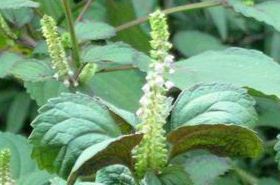
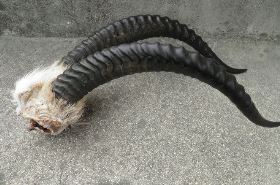
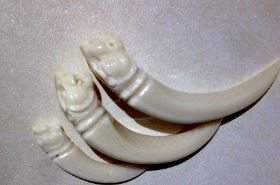
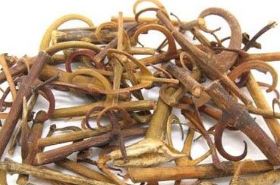
The star of the show, the 'chief ingredient' or jun yao, is Rhinoceros Horn (though typically substituted with Water Buffalo Horn, more on that in a bit). It's known for its bitter, salty, and cold properties, effectively cooling the blood, clearing Heart heat, and detoxifying. Then we have Rehmannia Root (*Sheng Di Huang*), which is sweet, bitter, and cold. It teams up with the Rhinoceros Horn to cool blood, nourish Yin (the cooling, moistening aspects of the body), and generate fluids, helping to stop bleeding and restore lost Yin blood. Finally, Red Peony Root (*Chi Shao*) and Moutan Bark (*Dan Pi*) come in as 'assistant ingredients' or zuo yao. They're excellent at clearing heat, cooling blood, activating blood circulation, and dispersing stasis, making sure everything flows smoothly.
How to Use Xijiao Dihuang Tang: Dosage and Preparation
Let's talk ingredients and how you'd typically prepare this.
Ingredients:
- Rhinoceros Horn (usually substituted with Water Buffalo Horn): 30g
- Prepared Rehmannia Root (*Sheng Di Huang*): 24g
- Peony Root (*Shao Yao*): 12g
- Moutan Bark (*Dan Pi*): 9g
Important Safety Note: While Water Buffalo Horn is a common substitute, and this formula uses specific dosages, it's crucial to remember that herbal medicine should always be used under the guidance of a qualified Traditional Chinese Medicine (TCM) practitioner. Self-prescribing or exceeding recommended dosages can be risky. Always consult your healthcare provider to ensure this formula is appropriate for your specific condition and to avoid potential interactions with other medications.
For preparation, this formula is typically made as a decoction (*tang ji*). You'd usually decoct the Water Buffalo Horn slices first, then add the remaining herbs. The traditional method involves decocting the herbs in nine liters of water down to three liters, which is then divided into three doses for oral consumption.
Sometimes, a TCM practitioner might tweak the formula based on your specific presentation, a process called 'additions and subtractions' or jia jian.
- If there's significant 'blood accumulation' (*xu xue*) causing forgetfulness or a restless, almost 'insane' state – indicating a severe combination of 'pathogenic heat and blood stasis' – herbs like Rhubarb (*Da Huang*) and Scutellaria Root (*Huang Qin*) might be added to powerfully clear heat, expel stasis, and cool the blood.
- For those experiencing intense frustration or anger that leads to 'Liver Fire' (*Gan Huo*), additions like Bupleurum Root (*Chai Hu*), Scutellaria Root (*Huang Qin*), and Gardenia Fruit (*Zhi Zi*) can help to clear and drain that excess Liver Fire.
- If the heat has significantly 'damaged the blood vessels' (*re shang xue luo*), leading to severe 'reckless blood movement' and bleeding, herbs such as Imperata Rhizome (*Bai Mao Gen*), Carbonized Biota Tops (*Ce Bai Tan*), and Cirsium Herb (*Xiao Ji*) could be incorporated to further cool the blood and stop bleeding.
Xijiao Dihuang Tang: Its Powers and Primary Uses
Key Functions: It's all about 'clearing heat, resolving toxins, cooling the blood, and dispelling blood stasis.'
Primary Indications: This formula specifically addresses conditions where 'heat has entered the blood level' (*Re Ru Xue Fen Zheng*).
More specifically, a TCM practitioner might recommend it for:
- Heat Disturbing the Heart Spirit: Think high fever, delirium, a dark red tongue with prickles, and a thready, rapid pulse. This suggests intense heat impacting your mental clarity and vital energy. [Rehmannia, a key ingredient, has demonstrated various bioactivities, including anti-inflammatory and immunomodulatory effects, which contribute to its blood-cooling and nourishing properties.] PMID: 29057639
- Heat Damaging Blood Vessels: This often manifests as dark purple spots or rashes (*ban zhen*), vomiting blood, nosebleeds, blood in stools, or bloody urine. You'll likely also see a dark red tongue and a rapid pulse. The ability of the ingredients to cool blood and stop various forms of bleeding is well-documented in traditional texts and modern research.
- Blood Accumulation with Stasis and Heat: Symptoms here can be quite distinct, including forgetfulness, a restless or 'manic' state, rinsing the mouth without wanting to swallow, and dark, easily passed stools. This indicates a deeper, more severe form of stagnation and heat. [Moutan bark, a component of this formula, is recognized for its beneficial effects on microcirculation and its role in dispelling blood stasis.] PMID: 32371901
Clinical Application: This formula is primarily used for conditions where 'heat has entered the blood level.' In a clinical setting, key diagnostic indicators often include various forms of bleeding, dark purple skin rashes, high fever with delirium, a reddish-purple tongue, and a rapid pulse. These are the red flags that point toward Xijiao Dihuang Tang as a potential solution. [Herbal medicines, including components found in Xijiao Dihuang Tang, have a long history and ongoing research supporting their use in managing various bleeding disorders.] PMID: 23646849
Who Should Avoid Xijiao Dihuang Tang? (Contraindications)
Just like any potent remedy, Xijiao Dihuang Tang isn't for everyone. It should be avoided by individuals experiencing 'blood loss due to Yang deficiency' (*Yang Xu Shi Xue*) or those with a 'weak Spleen and Stomach' (*Pi Wei Xu Ruo*). Essentially, if your body is already feeling cold and weak, or your digestion is generally delicate, this formula might be too cooling or strong for you.
Xijiao Dihuang Tang: Insights from Classical Texts
① From Wu Qian and others in 'Golden Mirror of Medicine·Revised and Supplemented Famous Formulas,' Volume 1, we learn: 'There are three main reasons for spitting blood: overstrain, physical exertion, and heat damage. Overstrain focuses on nourishing deficiencies; physical exertion focuses on dispelling stasis; and heat damage focuses on clearing heat. When heat damages the Yang collaterals, it leads to vomiting or nosebleeds; when heat damages the Yin collaterals, it leads to lower bleeding. This decoction specifically treats bleeding due to heat damage. Therefore, Rhinoceros Horn is used to clear Heart fire, addressing the root cause. Rehmannia Root cools the blood to generate new blood. White Peony Root constrains the blood, stopping its reckless flow. And Moutan Bark breaks up the blood to expel stasis. Although this formula is said to clear fire, it actually nourishes Yin; although it's said to stop bleeding, it actually removes stasis. With stasis gone and new blood forming, and Yin nourished to extinguish fire, this can be considered a fundamental and thorough approach.' Basically, this text tells us Xijiao Dihuang Tang isn't just a band-aid; it's getting to the core of bleeding issues caused by heat, balancing your body by cooling, nourishing, and clearing stagnation.
② And 'Secrets of the Outer Terrace' (Volume 2, quoting 'Minor Formulas') notes its use for 'Cold Damage and Warm Diseases where sweating should have occurred but didn't, leading to internal blood accumulation, as well as nosebleeds, incomplete vomiting of blood leaving internal blood stasis, yellow complexion, and black stools – a formula for dispelling blood stasis.' This highlights its use in situations where lingering heat and improper treatment have led to deep-seated blood issues.
References
- [Rehmannia, a key ingredient, has demonstrated various bioactivities, including anti-inflammatory and immunomodulatory effects, which contribute to its blood-cooling and nourishing properties.] PMID: 29057639
- [Moutan bark, a component of this formula, is recognized for its beneficial effects on microcirculation and its role in dispelling blood stasis.] PMID: 32371901
- [Herbal medicines, including components found in Xijiao Dihuang Tang, have a long history and ongoing research supporting their use in managing various bleeding disorders.] PMID: 23646849
Quick Check: Do You Have 'Blood Heat' Symptoms? (3-Second Self-Test)
- Are you experiencing unexplained nosebleeds, bloody stools, or vomiting blood?
- Do you often feel feverish, perhaps with a restless or agitated mind?
- Is your tongue a dark red or purplish color, maybe with tiny red spots?
- Have you noticed unusual dark purple spots or rashes on your skin?
Immediate Steps for Wellness (30-Second Self-Help)
If you answered yes to any of these, especially the bleeding symptoms:
- Immediately consult a healthcare professional. While Xijiao Dihuang Tang is a powerful TCM formula, these symptoms can indicate serious underlying conditions that require urgent medical attention.
- Prioritize cooling foods and drinks. Think cucumber, watermelon, mint tea. Avoid spicy, hot, or heavily processed foods.
- Stay calm and rest. Overexertion can worsen 'heat' conditions.
- Consider a qualified TCM practitioner consultation. They can properly diagnose your specific 'blood heat' pattern and determine if Xijiao Dihuang Tang or another formula is right for you. Never self-prescribe potent herbal formulas.
For informational purposes only. Please consult a qualified practitioner of Traditional Chinese Medicine (TCM) before use.