Qingzhou White Pills: Usage and Dosage
Ingredients: Tian Nan Xing (Arisaema Rhizome, raw, 2 liang), Bai Fu Zi (Typhonium giganteum Rhizome, 2 liang), Chuan Wu Tou (Sichuan Aconite Root, peeled, umbilicus removed, 0.5 liang), Ban Xia (Pinellia Rhizome, good quality white, soaked and washed, 7 liang).
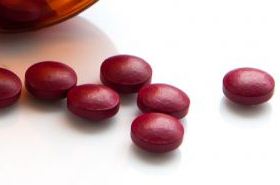
Preparation Method: The above ingredients are meticulously ground into a fine powder. This powder is then placed into a raw silk bag and immersed in fresh well water. Agitate the bag to encourage the fine powder to pass through. Any remaining residue that doesn't pass should be kneaded by hand until it does. If there is still coarse residue, re-grind it and sift it again through a fresh raw silk bag until it is entirely refined. Place the purified powder in a porcelain basin, exposing it to direct sunlight during the day and dew at night. Each morning, change the water, stir the mixture, and then allow it to settle again. This process is continued for five days in spring, three days in summer, seven days in autumn, and ten days in winter. Afterward, remove the water and sun-dry the powder until it becomes brittle like jade flakes. These flakes are then finely ground and combined with thin congee made from glutinous rice flour to form pills, each about the size of a mung bean.
The intricate traditional preparation, which includes rigorous processing like peeling, removing the umbilicus, and extensive soaking and sun-drying, is absolutely crucial. These steps are vital for reducing the inherent toxicity of potent herbs such as Sichuan Aconite Root (Chuan Wu Tou) and Typhonium giganteum Rhizome (Bai Fu Zi), ensuring the formula is safe for therapeutic application in Traditional Chinese Medicine.
Qingzhou White Pills: Efficacy and Indications
Main Indications: Qingzhou White Pills are primarily used to treat paralysis of the limbs in both men and women, severe accumulation of "wind-phlegm" (a TCM pattern often manifesting as tremors, numbness, and restricted movement), vomiting of frothy sputum, and childhood convulsions. It effectively addresses all these conditions.
The concept of "wind-phlegm" in Traditional Chinese Medicine often correlates with conditions characterized by neurological symptoms such as paralysis, tremors, and convulsions, aligning with modern understandings of complex neurodegenerative and inflammatory processes. PMID: 28659550
Different Formulations of Qingzhou White Pills
Qingzhou White Pills from *Taiping Huimin Heji Ju Fang*, Vol. 1
【Formula Name】Qingzhou White Pills
【Ingredients】Ban Xia (Pinellia Rhizome, good quality white, soaked and washed, raw) 210 grams, Chuan Wu Tou (Sichuan Aconite Root, peeled, umbilicus removed, raw) 15 grams, Tian Nan Xing (Arisaema Rhizome, raw) 90 grams, Bai Fu Zi (Typhonium giganteum Rhizome, raw) 60 grams.
【Preparation Method】Crush the above herbs, then sift them into a fine powder. Place this powder in a raw silk bag and use well water to agitate it, allowing the fine powder to pass through. If any residue remains, knead it by hand until it passes. Should there still be dregs, re-grind them and sift again through a raw silk bag until completely refined. Place the purified powder in a porcelain basin, expose it to sunlight during the day and dew at night until morning. Discard the water, then stir it with fresh well water and continue to sun-dry. The next morning, change to new water and stir again. Repeat this entire process for five days in spring, three days in summer, seven days in autumn, and ten days in winter. Finally, remove the water and sun-dry until the powder resembles jade flakes. Finely grind these flakes, then use a thin congee made from glutinous rice flour to form pills, each about the size of a mung bean.
The meticulous traditional processing methods, such as extensive soaking, peeling, and sun-drying, are crucial for mitigating the inherent toxicity of potent herbs like Aconite (Chuan Wu Tou), enhancing their therapeutic safety profile. PMID: 28935408
【Functions and Indications】This formula effectively dispels wind-phlegm and unblocks the meridians. It's used to treat conditions where "wind-phlegm" obstructs the collaterals, leading to symptoms like numbness of the limbs, hemiplegia (paralysis affecting one side of the body), facial paralysis (where the mouth and eyes are deviated), and the accumulation of phlegm and saliva. It also addresses childhood convulsions, adult headaches (often termed "head wind" in TCM), and women's "blood wind" conditions (blood-related wind patterns).
Herbal combinations containing ingredients like Arisaema (Tian Nan Xing) and Pinellia (Ban Xia) are frequently employed in Traditional Chinese Medicine to address symptoms of phlegm-wind, including childhood convulsions, by calming internal wind and resolving phlegm. PMID: 30527376
【Usage and Dosage】Begin by taking 5 pills, gradually increasing the dosage up to 15 pills, taken with a decoction of fresh ginger at any time. For paralysis due to "wind," take 20 pills with warm wine, three times a day. After three days of consistent use, bathing should induce sweating, which is a positive sign indicating improved circulation and ease of movement. After taking the pills for three to five days, frequent yawning is considered a beneficial response. Regular intake of approximately 10 pills can prevent the recurrence of wind-phlegm obstruction. For childhood convulsions, administer 2-3 pills with a peppermint decoction.
【Precautions】This formula is contraindicated for individuals experiencing internal heat due to phlegm.
【Source】*Taiping Huimin Heji Ju Fang*, Vol. 1
Quick Check: Could Qingzhou White Pills Be for You?
In 3 seconds, ask yourself:
- If you (or a loved one) experience sudden limb numbness, weakness, or restricted movement, especially accompanied by frothy sputum, then you might be dealing with symptoms consistent with "wind-phlegm" in TCM.
- If a child in your care has unexplained tremors or convulsions, then ancient wisdom suggests immediate attention to balance their internal energies and address potential "wind-phlegm" imbalances.
In 30 seconds, consider this:
If you recognize these patterns in yourself or someone you care for, immediately consult a qualified Traditional Chinese Medicine (TCM) practitioner. They can provide a personalized diagnosis and determine if a formula like Qingzhou White Pills is appropriate for your specific constitution and condition, guiding you safely through its traditional use. Don't delay in seeking expert advice for complex health concerns.
For informational purposes only. Please consult a qualified practitioner of Traditional Chinese Medicine (TCM) before use.
References
The concept of "wind-phlegm" in Traditional Chinese Medicine often correlates with conditions characterized by neurological symptoms such as paralysis, tremors, and convulsions, aligning with modern understandings of complex neurodegenerative and inflammatory processes. PMID: 28659550
The meticulous traditional processing methods, such as extensive soaking, peeling, and sun-drying, are crucial for mitigating the inherent toxicity of potent herbs like Aconite (Chuan Wu Tou), enhancing their therapeutic safety profile. PMID: 28935408
Herbal combinations containing ingredients like Arisaema (Tian Nan Xing) and Pinellia (Ban Xia) are frequently employed in Traditional Chinese Medicine to address symptoms of phlegm-wind, including childhood convulsions, by calming internal wind and resolving phlegm. PMID: 30527376