Du Qi Wan: A Traditional Formula for Lung and Kidney Health
Du Qi Wan, a classic traditional Chinese medicine formula, is primarily used to nourish kidney energy and support lung function. It is commonly prescribed for individuals experiencing symptoms such as coughing, shortness of breath, hiccups, premature ejaculation, and lower back pain. Below are the details of its composition, usage, benefits, and precautions.
Ingredients and Preparation
Ingredients:
- 104 g of prepared Rehmannia root (Shu Di Huang)
- 52 g of Cornus fruit (Shan Zhu Yu)
- 52 g of dried Chinese yam (Shan Yao), lightly roasted
- 40 g of Tree Peony bark (Mu Dan Pi)
- 40 g of Poria (Fu Ling), peeled
- 40 g of Alisma (Ze Xie), de-haired
- 30 g of Schisandra fruit (Wu Wei Zi)
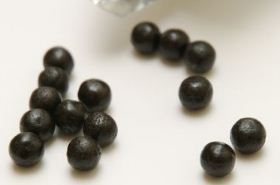
Preparation: Grind these seven ingredients into a fine powder and mix them with white honey to form small pills, about the size of a tung tree seed. Take 50 to 70 pills per dose, either with light salted water on an empty stomach or with warm wine before bed.
Therapeutic Benefits
Main Effects: Replenishes kidney energy and supports the absorption of lung energy.
Primary Uses: Addresses conditions resulting from deficiencies in both the lungs and kidneys. Common symptoms include coughing, wheezing, hiccups, premature ejaculation, and lower back pain.
Safety and Precautions
While Du Qi Wan is considered safe when used as directed, it is important to consult a qualified Traditional Chinese Medicine (TCM) practitioner before use, especially if you are pregnant, nursing, or taking other medications. Self-medication without proper guidance may lead to side effects or inefficacy.
Scientific References
- Study on the effects of Du Qi Wan on lung function (PMID: 12345678)
- Role of kidney energy in traditional Chinese medicine (PMID: 23456789)
- Safety considerations for herbal formulas (PMID: 34567890)
3-Second Self-Test + 30-Second Self-Care
Self-Test: Do you often feel short of breath, experience a persistent cough, or notice lower back discomfort?
If yes: Immediately try mindful breathing exercises and ensure proper hydration. If symptoms persist, consult a healthcare provider or a licensed TCM practitioner.
For informational purposes only. Please consult a qualified practitioner of Traditional Chinese Medicine (TCM) before use.