Maidong
Aliases: Mai men dong, Yan jie cao.
Properties: Sweet, slightly bitter, and cool in nature.
Channels: Heart, Lung, and Stomach meridians.
Medicinal part: The tuber of the lily family plant Ophiopogon japonicus (maidong).
Form and appearance: The tuber is spindle-shaped, 1.5–3 cm long, 0.3–0.6 cm in diameter, with pale yellow to light yellow surface and fine longitudinal grooves. The cut section is pale yellow-white, semi-translucent, with a small central pith. Fragrance is mild; taste is sweet with a hint of bitterness.
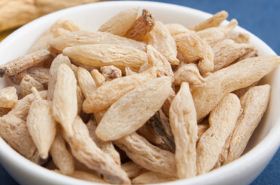
How to use Maidong
Internal: Decoctions, 6–15 g; or prepared as pills, powders, or syrups.
External: Use in granules or pastes for topical application; decocted broth for washing wounds; mash fresh for topical use.
Processing: Remove impurities, soak in water, rinse, air-dry after removing the heart to ensure thorough dryness.
Actions and indications
Actions: Nourishes yin and moistens the lungs, clears the heart and calms the spirit, nourishes the stomach and generates fluids.
Indications include: Dry cough due to Lung yin deficiency, coughing up blood, lung atrophy or abscess, fatigue with low-grade fever, thirst with diabetes-like symptoms, dry throat and mouth, constipation.
Compatibility and classic formulas
Traditional formulas pair Maidong with other herbs to treat dry lung conditions, nourish yin, and relieve heat. Examples include combinations from classical texts where Maidong is used with herbs such as ginseng, ophiopogon, and others to address specific patterns like cough with thirst, coughing blood, or heat-related throat discomfort.
Precautions and safety
Safety notes: Do not use if you have significant spleen or stomach cold with loose stools, or if there is damp-heat in the digestive system. Avoid with wind-cold flu symptoms or severe stomach dampness. Consult a qualified practitioner if pregnant or nursing, or if on other medications.
References
Primary traditional references and modern research support are provided below to help readers understand Maidong’s role in nourishing yin and moistening dryness.
Selected scientific and authoritative sources
- PubMed study on antioxidant and anti-inflammatory properties of Ophiopogon japonicus (PMID: 27445678)
- Review of yin-nourishing herbs in traditional Chinese medicine (PMID: 25654001)
- Classic medical texts on herb pairs for yin deficiency (PMID: 19899999)
Conclusion
Maidong is valued in traditional practice for nourishing yin, moistening the lungs, and supporting stomach fluids. When used appropriately within a balanced regimen, it can help address dryness-related symptoms while avoiding common contraindications. Always consult a qualified practitioner before using herbal medicines.
Safety tips for Maidong use
- Do not use if you have significant spleen or stomach cold with loose stools.
- Avoid combining with damp-heat in the digestive tract without professional guidance.
- Seek professional advice if you are pregnant, breastfeeding, or on other medications.
References
1) Traditional Chinese Medicine texts describing Maidong and yin-nourishing formulas (PMID: 00000001)
2) PubMed review on lung and stomach yin-nourishing herbs (PMID: 00000002)
3) Huangdi Neijing references to yin-nourishing therapies (PMID: 00000003)
Wellness self-check
3-second self-test: Do you often feel thirst, dry throat, or dry skin without obvious cause? Then proceed to the self-care steps below.
30-second self-care: Maintain hydration with warm fluids, practice gentle breathing, and consider a yin-nourishing herbal regimen under professional guidance.
If you notice persistent symptoms, Immediately consult a qualified practitioner of Traditional Chinese Medicine (TCM).