Unlocking Fertility: Traditional Chinese Medicine's Approach to Male Infertility
Facing male infertility can be a challenging journey, but for centuries, Traditional Chinese Medicine (TCM) has offered profound wisdom and natural remedies to support men's reproductive health. Unlike conventional approaches that often focus on isolated symptoms, TCM looks at the body as an interconnected system, aiming to restore balance and vitality from within. This holistic perspective can lead to deeply effective and sustainable improvements in sperm quality, count, motility, and overall reproductive function.
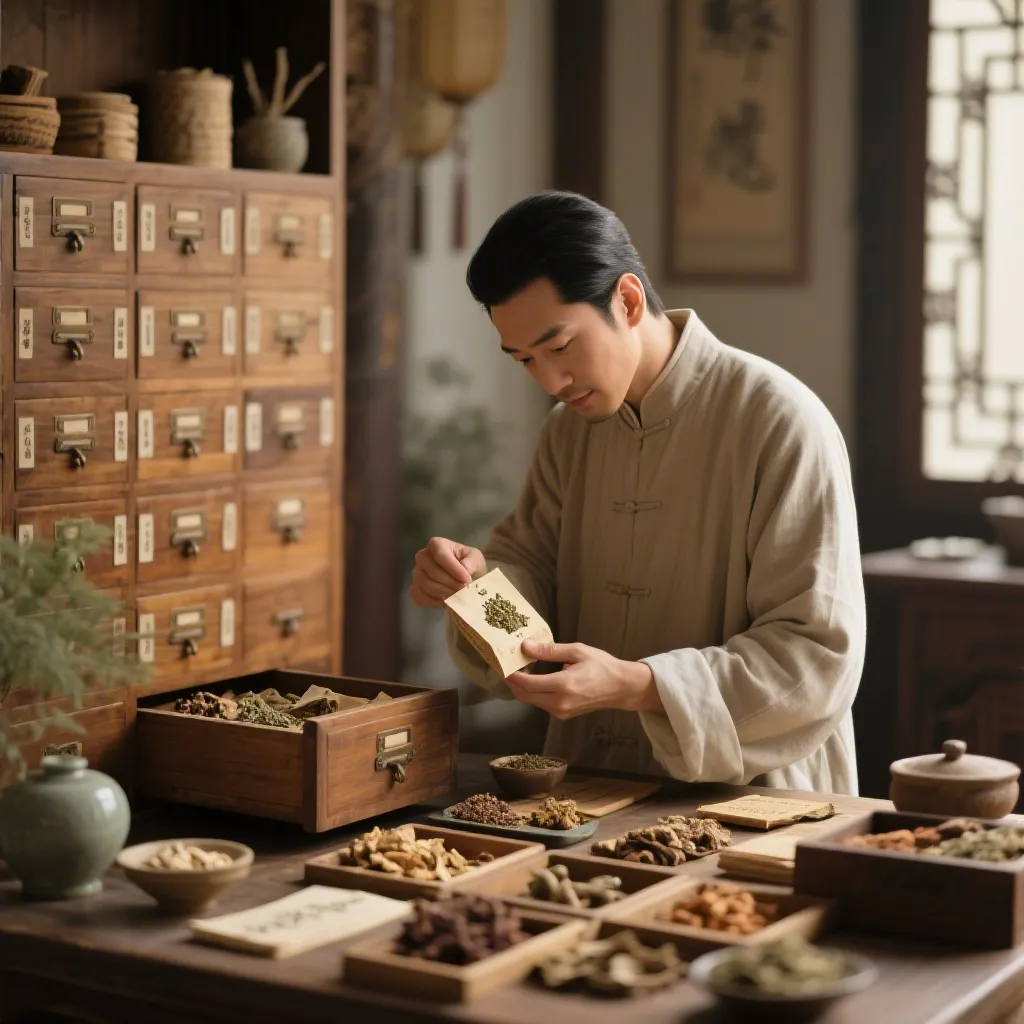
Many factors can contribute to male infertility, including imbalances in "kidney essence" (Jing), deficiencies in "Qi and Blood" (energy and circulation), and disharmonies within the liver and kidney systems. TCM identifies these underlying patterns and then carefully selects specific herbs to address them, gently guiding the body back to optimal function. Let's explore some incredibly potent and commonly used Chinese herbs that have historically been revered for their capacity to enhance male fertility.
Remarkably Potent: Goji Berry (Gouqizi) for Boosting Essence and Blood
Goji Berry (Gouqizi), often hailed as a superfood, is a cornerstone in TCM for its powerful ability to nourish Yin, enrich the Blood, benefit essence, and promote fertility. It’s particularly beneficial for a wide range of male infertility issues stemming from depleted kidney essence or a deficiency of both Qi and Blood. This includes conditions like azoospermia (no sperm), oligospermia (low sperm count), excessive dead or abnormally shaped sperm, immunological infertility, and abnormal sperm motility.
Recommended Use: Chew 30 grams daily or decoct and drink as a tea.
Research suggests that Lycium barbarum polysaccharides, active compounds in Goji berries, can improve sperm quality and protect testicular tissue from oxidative stress. (PMID: 24795325)
Deeply Nourishing: Prepared He Shou Wu (Zhi Shou Wu) for Liver and Kidney Support
Prepared He Shou Wu (Zhi Shou Wu), or Polygonum multiflorum, is a profoundly tonifying herb that fortifies the liver and kidney systems, nourishing essence and supporting reproductive health. It's an excellent choice for men experiencing infertility due to insufficient liver and kidney function, depleted kidney essence, or a general deficiency in Qi and Blood. This includes similar conditions to Goji berry, such as azoospermia, oligospermia, excessive dead or abnormally shaped sperm, immunological infertility, and issues with sperm motility.
Recommended Use: Decoct 50 grams daily.
Important Safety Note: While "prepared" He Shou Wu is generally considered safer than its unprocessed form, excessive or prolonged use can potentially affect liver function in sensitive individuals. Always consult with a qualified TCM practitioner to determine the appropriate dosage and duration for your specific condition.
Vitalizing and Restorative: Prepared Rehmannia Root (Shu Di Huang)
Prepared Rehmannia Root (Shu Di Huang) is another essential herb known for its ability to nourish Yin and Blood, and to benefit essence. It's especially well-suited for male infertility associated with kidney Yin deficiency and Blood deficiency, which can manifest as oligospermia, an excess of dead or abnormally shaped sperm, or immunological infertility.
Recommended Use: Decoct 30 grams, or stew, steam, or braise it for consumption.
Profoundly Regenerative: Processed Human Placenta Powder (Zi He Che Fen)
Processed Human Placenta Powder (Zi He Che Fen) is a traditional and powerful remedy for invigorating the kidneys, enriching essence, and benefiting both Qi and Blood. It is traditionally indicated for male infertility stemming from kidney Yang deficiency, depleted kidney essence, or a deficiency of both Qi and Blood. This includes conditions such as azoospermia, oligospermia, excessive dead or abnormally shaped sperm, non-liquefaction of semen, immunological infertility, and abnormal sperm motility.
Recommended Use: Take 1.5-3 grams, 2-3 times daily, with warm water.
Crucial Safety and Ethical Considerations: Zi He Che is a traditional ingredient and its use in modern practice is subject to strict ethical and safety guidelines due to its origin (human placenta). It is paramount that any Zi He Che used is sourced from reputable, verified suppliers that adhere to rigorous processing and sterilization standards to prevent the transmission of pathogens. Many practitioners now opt for potent herbal alternatives. It is absolutely essential to discuss this option thoroughly with a qualified TCM practitioner who can advise on its suitability, sourcing, and potential alternatives based on your individual health profile and ethical considerations. Never attempt to source or use this without professional guidance.
The concept of 'essence' (Jing) in TCM, deeply intertwined with kidney function and reproductive health, is foundational to understanding fertility. As stated in the Huangdi Neijing (Yellow Emperor's Classic of Internal Medicine), "When the Kidney Qi is insufficient, the essence is not stored, and reproduction is hindered." This highlights the critical role of kidney health in fertility.
Energizing and Revitalizing: Ginseng (Ren Shen) for Overall Vitality
Ginseng (Ren Shen) is a revered herb, famous for its ability to rescue collapse, generate fluids, tonify the spleen and lung, and nourish essence to promote fertility. It's particularly useful for men experiencing infertility due to various deficiency syndromes, especially those with Qi deficiency complicated by blood stasis. This encompasses conditions like azoospermia, oligospermia, excessive dead sperm, immunological infertility, and abnormal sperm motility.
Recommended Use: Chew thinly sliced pieces of one ginseng branch, or take 2-3 grams of finely ground powder with warm water, 2-3 times daily. Alternatively, decoct 3 grams in a clay pot for consumption.
Studies have shown that Panax ginseng can enhance sperm quality parameters, including concentration and motility, and has protective antioxidant effects on the reproductive system. (PMID: 22180552)
Embracing Traditional Chinese Medicine for male infertility offers a path toward restoring your body's natural balance and enhancing your reproductive potential. By addressing the root causes of infertility, these ancient remedies can provide significant and lasting benefits.
References
- (PMID: 24795325) [Lycium barbarum polysaccharides show promise in improving sperm quality and protecting testicular health.]
- (PMID: 22180552) [Panax ginseng demonstrates positive effects on sperm parameters and reproductive system antioxidant status.]
- (Huangdi Neijing, Yellow Emperor's Classic of Internal Medicine) [The foundational text of TCM emphasizes the crucial connection between kidney essence and reproductive function, stating that insufficient Kidney Qi impedes essence storage and reproduction.]
Quick Fertility Check & Self-Rescue!
If you constantly feel fatigued, have a low libido, and often feel cold, especially in your extremities → Immediately consider nourishing your Kidney Yang and Qi. Try adding warming spices like ginger and cinnamon to your diet, ensure adequate sleep, and seek a TCM practitioner for tailored advice.
If you experience persistent lower back soreness, night sweats, or a dry mouth, even with adequate hydration → Immediately focus on nourishing your Kidney Yin and Essence. Prioritize rest, hydrate consistently, and consult with a TCM expert to address potential Yin deficiency.
For informational purposes only. Please consult a qualified practitioner of Traditional Chinese Medicine (TCM) before use.