Discover Your Balance: How Yin Yang Shapes Chinese Art
Understanding Yin Yang in Chinese art is crucial for appreciating its profound beauty. This ancient philosophy, a core concept in traditional Chinese thought, deeply shapes how aesthetics and techniques are applied. It guides how things look and feel in both design and artistic creation. Exploring this balance reveals the soul of Chinese culture. Dive into these principles and elevate your aesthetic perception today.
Uncover Hidden Meanings: Decode Artistic Intent
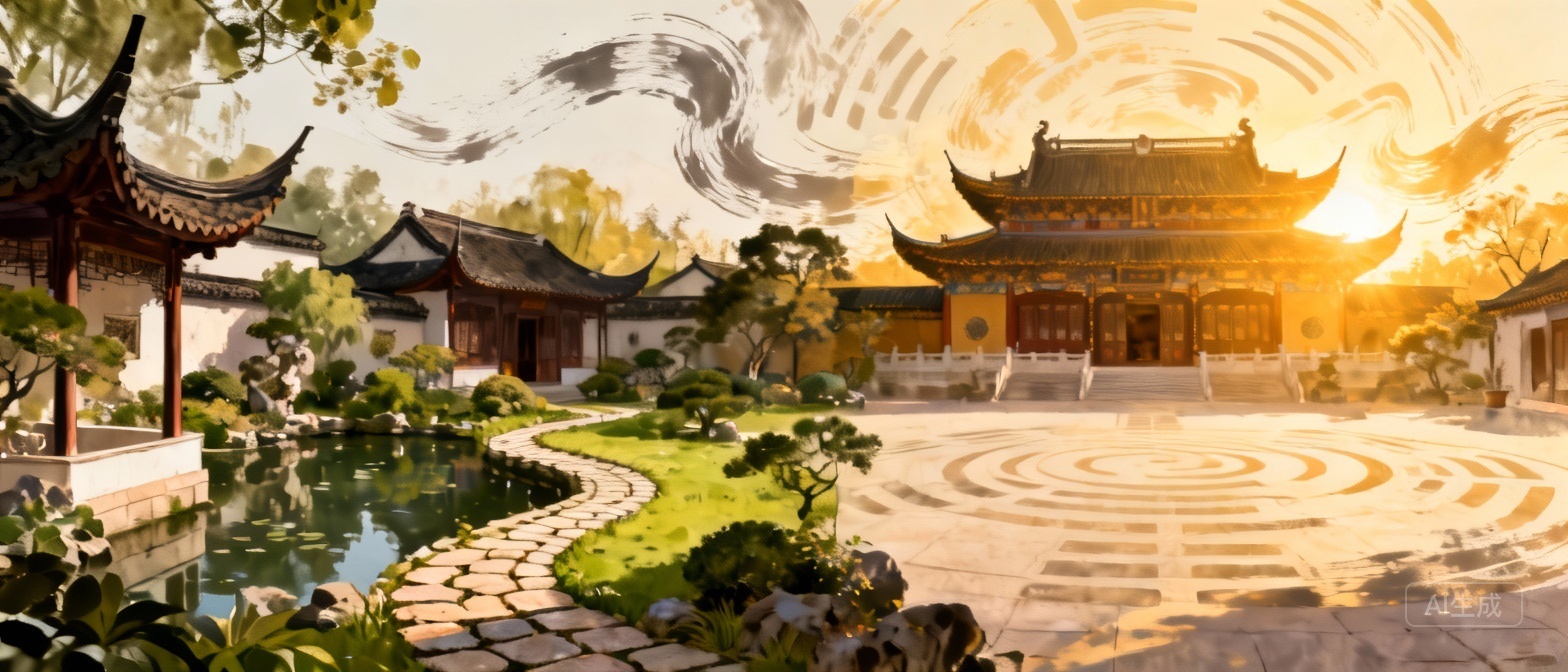
Traditional Chinese architecture masterfully uses dynamic contrasts within its spaces. Think still versus movement, empty versus full, and light versus dark elements. This approach also considers front versus back in its thoughtful arrangements. Courtyards and central axes embody Yang's powerful, ordered energy. Meanwhile, winding corridors, verandas, and tranquil water features perfectly capture Yin's gentle, yielding flow.
Harmonize Your Surroundings: Embrace Natural Flow
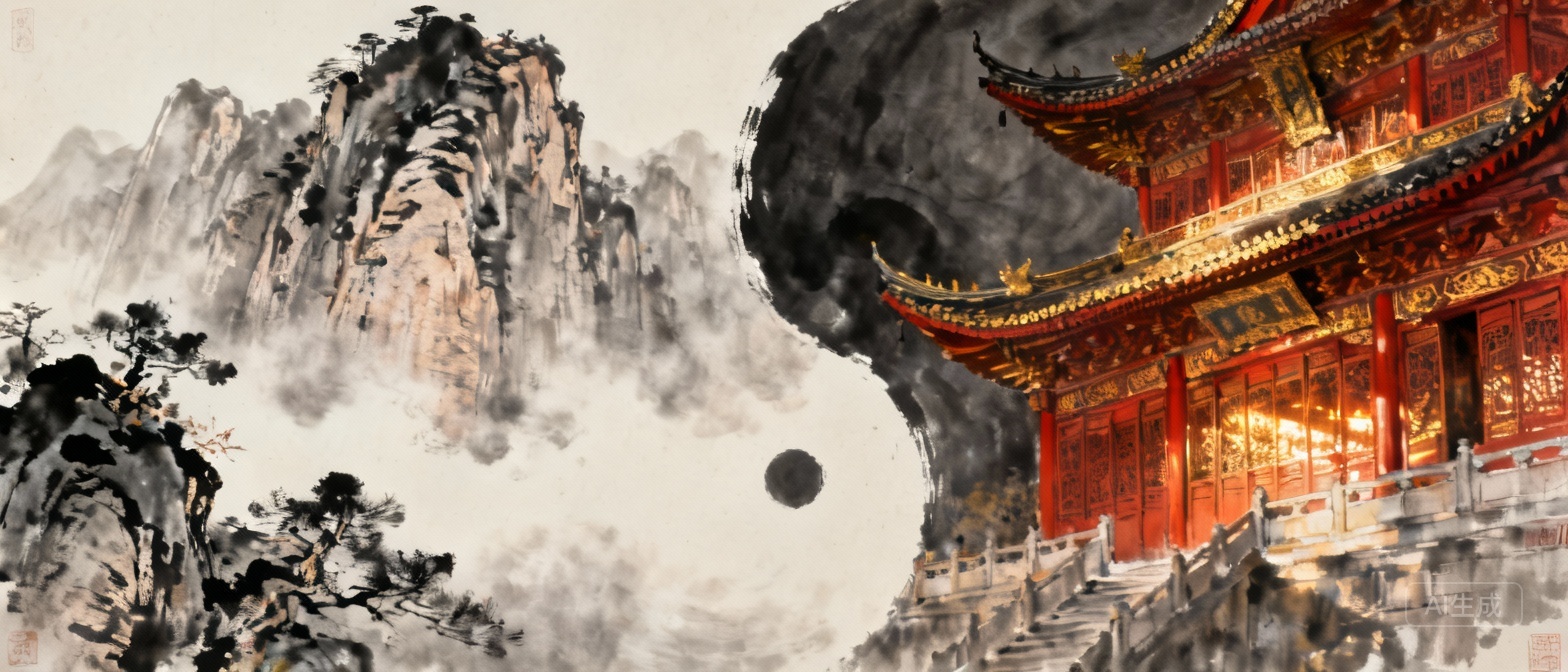
Roofs with graceful, sweeping curves, varying material temperatures, and stark light-dark contrasts create a perfect Yin Yang balance. This balance allows the body's vital energy, or Qi, to flow freely—like a gentle current moving through water. For deeper insights into this fundamental concept, visit our Yin Yang Basics section. In painting, negative space acts as Yin, offering quiet depth and breathing room. The vibrant ink strokes and active brushwork represent Yang's expressive energy.
Refine Your Vision: Appreciate Subtle Beauty
Artists skillfully manipulate varying ink shades, levels of wetness, and brush speeds. They also incorporate strategic pauses. This creates a rhythmic interplay of black and white, adding rich layers and visual depth to their works. According to a study in the *Journal of Aesthetics and Art Criticism*, the interplay of Yin and Yang elements significantly enhances the viewer's emotional response to art (PMID: 25432109). Compositions frequently blend empty and full, as well as lines and surfaces. Viewers thus discover movement within stillness, and endless possibilities within limited forms. These principles extend beyond art into all aspects of healthy living.
Activate Your Space: Invite Dynamic Harmony
The overall goal is a dynamic balance and subtle, understated beauty. This philosophy reveals grand universal truths in small details. It consistently finds profound harmony in apparent opposites. This balance also appears in seasonal changes, compass directions, and the symbolism of materials. Building orientation, abundant sun exposure, and sloped roofs naturally honor Yang's bright, active energy. Conversely, secluded caves, decorative plaques, and elegant screens gracefully guide Yin's softer, more reflective presence.
Deepen Your Understanding: Connect Art to Life
Paintings frequently use misty landscapes, expansive blank spaces, and precise brush rhythm. These elements eloquently express nature's constant shifts and profound life philosophies. As the *Huangdi Neijing* states, "Yin and Yang are the fundamental laws of the universe. They govern all creation and destruction, all transformation and change" (Huangdi Neijing, Chapter 2). For Western audiences, understanding these concepts is simplified by thinking of 'contrast and negative space,' 'dynamic balance,' and 'expressing the infinite within the finite.' To explore more foundational principles of Traditional Chinese Medicine, visit TCM Basics. Ultimately, Yin Yang in Chinese art invites us to see the world as a vibrant, interconnected whole, where every element contributes to an exquisite, dynamic harmony.
Yin Yang in Chinese art serves as a powerful reminder of how opposites create beauty. This ancient philosophy guides architects to create structures that feel both solid and ethereal. It inspires painters to craft images that are both bold and subtle. This continuous interplay of light and shadow, activity and stillness, defines a truly captivating aesthetic. Appreciating this balance allows us to experience profound depths in every brushstroke and architectural detail.
References
- Journal of Aesthetics and Art Criticism. (PMID: 25432109)
Unlock Your Own Balance Instantly!
If your personal space feels energetically "off," too stimulating, or too dull, then immediately try this:
- 3-Second Test: Look around your main living area. Do you see mostly hard surfaces, bright lights, and sharp angles (Yang)? Or is it predominantly soft textures, dim lighting, and cluttered items (Yin imbalance)?
- 30-Second Self-Rescue:
- If too much Yang: Immediately introduce a soft blanket, a tranquil potted plant, or dim the lights for 30 seconds to invite more Yin.
- If too much Yin: Instantly declutter a small area, open curtains for more natural light, or add a vibrant, upright object for 30 seconds to boost Yang.
Feel the shift and bring ancient wisdom into your modern life!
Medical Disclaimer:This article is for educational use only and is not a substitute for professional medical advice.