Struggling with conception can be incredibly challenging for couples. What many don't realize is that nutritional status significantly impacts reproductive health for both men and women. An imbalanced diet can profoundly affect a woman's ovulation patterns and a man's sperm quality, ultimately reducing a couple's chances of conceiving. Research consistently shows that inadequate fat intake can disrupt a woman's regular menstrual cycle. This means if women drastically reduce weight for aesthetic reasons, they might inadvertently compromise their fertility. Conversely, a diet high in unhealthy fats can lead to weight gain, also contributing to irregular periods and poor ovulation. Moreover, caffeine consumption has been linked to a reduced likelihood of conception. Understanding how certain foods can support your body's internal environment can be a game-changer for hopeful parents.

Surprisingly, Your Diet Massively Impacts Fertility
The Delicate Balance: Weight and Reproduction
Maintaining a healthy weight is paramount for fertility. When a woman's body fat percentage is too low, it can signal to the brain that there isn't enough energy reserves for pregnancy, potentially halting ovulation. Conversely, being overweight or obese, especially with diets rich in processed and high-fat foods, can lead to hormonal imbalances, making regular ovulation difficult. Both extremes can throw off the delicate hormonal symphony required for conception. Experts generally recommend that women aim to keep their weight within 10% of their standard body weight for optimal reproductive health (PMID: 25488561).
The Caffeine Conundrum
Your daily coffee habit might be doing more than just waking you up. Studies suggest that consuming caffeine can actually decrease your chances of getting pregnant (PMID: 31252187). While an occasional cup might not be detrimental, regular or excessive intake of caffeine-containing beverages, including certain teas and sodas, is worth re-evaluating if you're trying to conceive. Consider switching to decaffeinated options or herbal teas to support your fertility journey.
Cleverly Crafting a Conception-Friendly Diet
Nourishing Your Body's Internal Environment
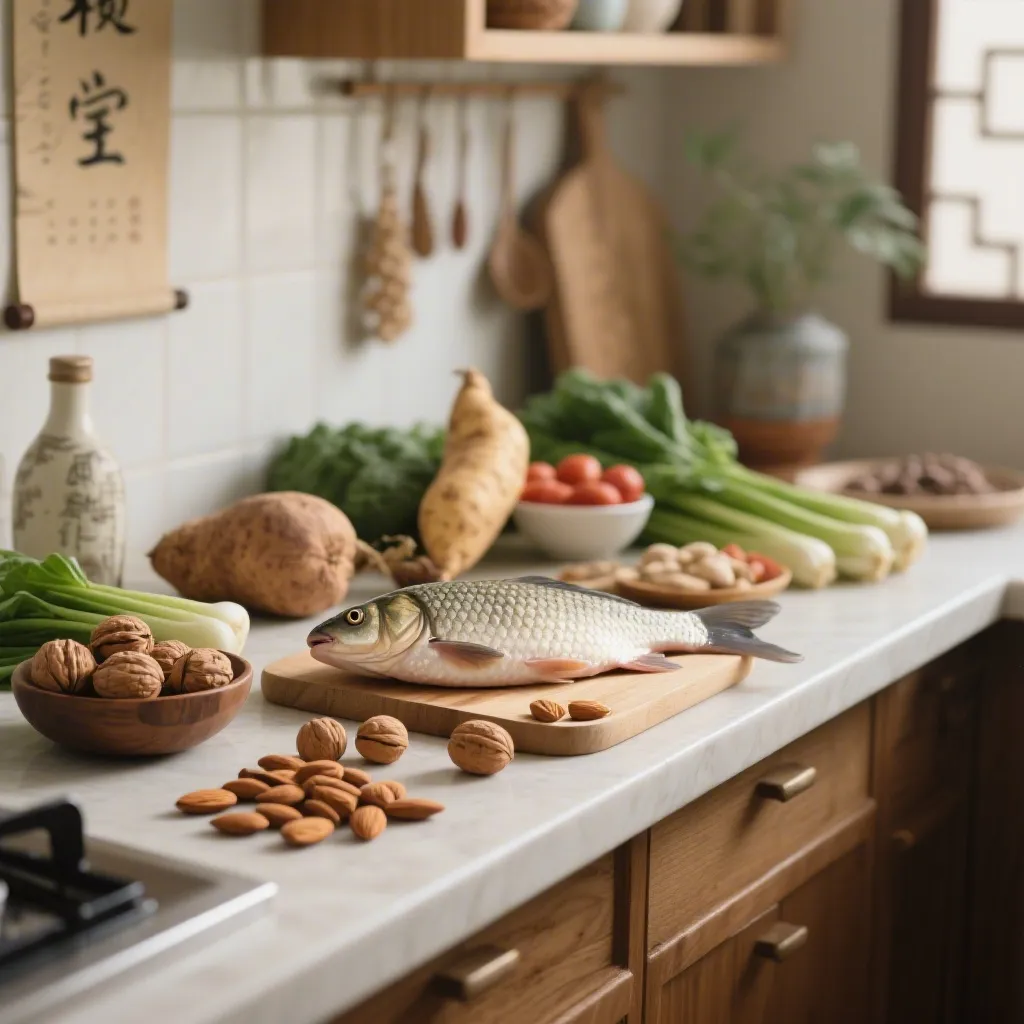
While the body tightly regulates its overall pH, dietary choices can certainly influence cellular health and create a supportive environment for reproductive processes, including sperm health. Incorporating specific foods can help ensure your body is receiving the nutrients it needs. Consider leaning into foods rich in calcium and magnesium, or those that contribute to a balanced nutrient intake. Examples include unsalted dairy products, lean beef, eggs, milk, peanuts, walnuts, almonds, whole grains, and various seafood. These foods offer essential building blocks for reproductive function and overall well-being. For men, a balanced diet rich in antioxidants and essential nutrients has been shown to positively influence sperm quality (PMID: 30452309).
Smart Snacking for Success
On the flip side, foods that are often considered 'alkaline-forming' due to their mineral content, such as those rich in potassium and sodium, can also be beneficial in a balanced fertility diet. These include soda crackers (without cream fillings), various fruit juices, root vegetables like sweet potatoes and regular potatoes, fresh fruits, and chestnuts. The key is balance and variety, ensuring you're getting a wide spectrum of vitamins and minerals. Think of your diet as a comprehensive strategy to nourish your body and prepare it for conception (PMID: 26038891).
Ultimately, a mindful and balanced approach to eating is your best ally on the path to parenthood. Making informed dietary choices can significantly enhance your body's natural ability to conceive.
- (PMID: 25488561) Body weight significantly impacts female fertility, with both underweight and overweight conditions posing challenges to conception.
- (PMID: 31252187) Higher caffeine intake is associated with a reduced probability of pregnancy in women.
- (PMID: 30452309) Specific dietary patterns, including antioxidant-rich foods, have a positive correlation with male fertility parameters.
Quick Fertility Check & Self-Help Guide!
If you often feel tired, skip meals, or eat a highly processed diet → Immediately prioritize balanced meals with lean protein, whole grains, and plenty of fruits and vegetables.
If you consume multiple caffeinated beverages daily → Immediately try to reduce your intake by half or switch to decaffeinated or herbal alternatives.
If your weight is significantly outside the healthy range → Immediately consult a healthcare professional or nutritionist to develop a safe and effective plan to achieve a healthy weight.
For informational purposes only. Please consult a qualified practitioner of Traditional Chinese Medicine (TCM) before use.