Ever feel like your mind is running a marathon while your body wants to nap? Or vice versa? Understanding Yin Yang Psychology offers a powerful lens on your mental health. This ancient framework, central to Traditional Chinese Medicine (TCM) and Chinese philosophy, describes how everything in the universe has two opposing yet interconnected aspects. These forces are constantly shifting, creating a dynamic balance in all things. Applied to our minds, this concept becomes a fascinating guide for mental well-being.
Unlock Your Inner Balance: The Core of Yin Yang Psychology
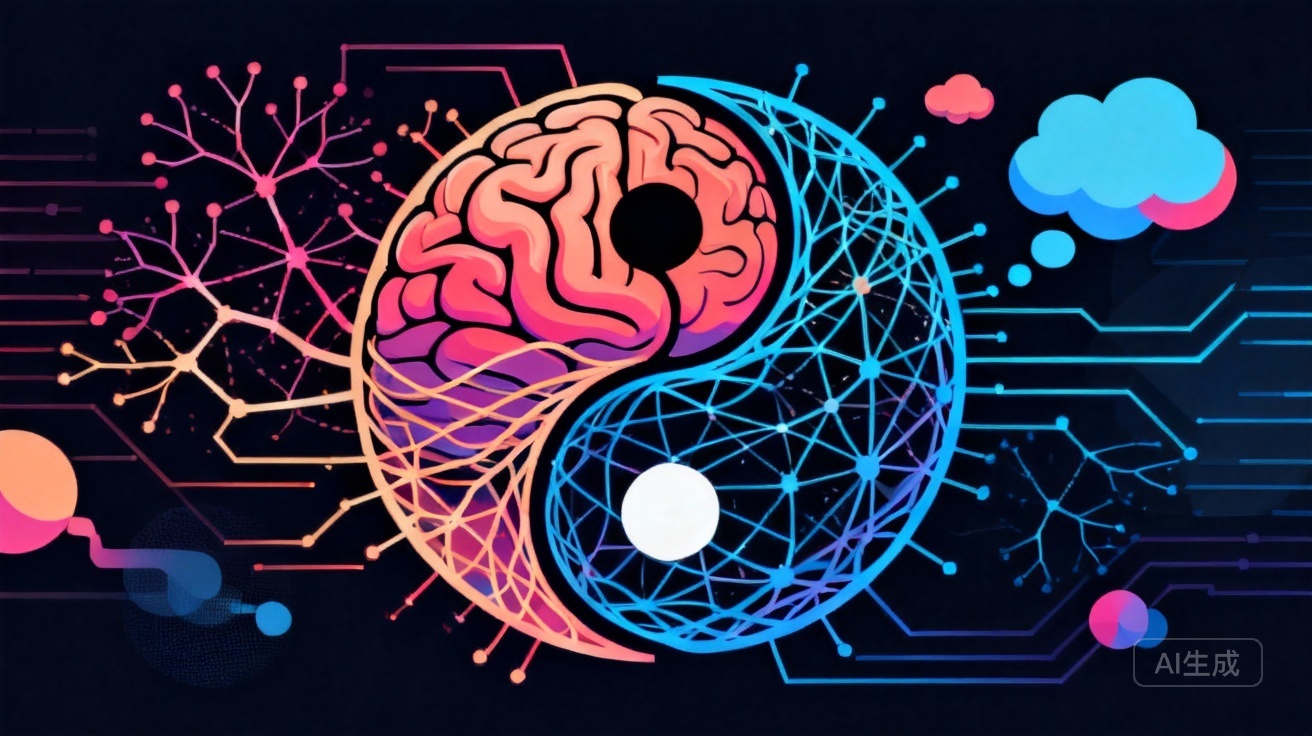
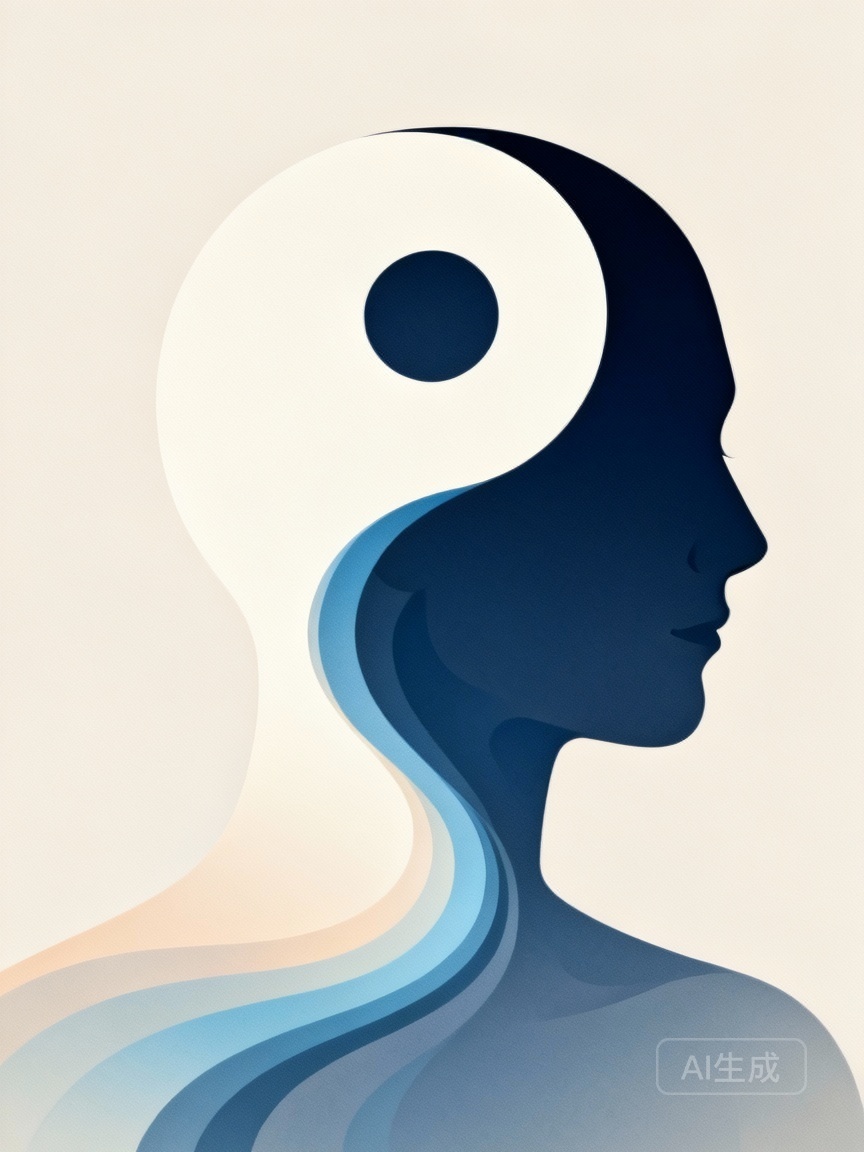
Yin and Yang represent complementary forces, always in flux. In psychology, Yin often embodies introspection, deep thought, resting states, and self-reflection. Think of it as your inner, quiet world. On the other hand, Yang signifies outward action, impulsive drives, excitement, and open expression. It's your energy directed towards the external. Mental wellness, from this perspective, hinges on achieving a harmonious balance between these two fundamental aspects. It's not about being one or the other; it's about their beautiful interplay.
Embrace Self-Reflection: Gain Deeper Insights
When this balance goes awry, we experience mental distress. An excess of Yang, or what's known as "Yin deficiency" in TCM, might manifest as intense anxiety or persistent insomnia. Imagine your body's energy is like a super-charged engine constantly revving, unable to settle down. You might also find yourself emotionally irritable. Conversely, a deficiency of Yang, or "Yang deficiency," can lead to feelings of low motivation and sluggishness. It feels like a traffic jam in your body, leaving you profoundly fatigued.
Recognize Imbalances: Understand Your Body's Signals
This holistic view of mental health emphasizes the constant interplay. It also highlights the transformative and compensatory nature of Yin and Yang. We can actively restore equilibrium and boost our self-regulation. This involves conscious adjustments to daily routines, along with targeted emotional regulation techniques. Engaging in physical exercise, practicing specific breathing methods, and exploring various psychological therapies are all vital tools. These methods help bring your inner world back into a healthy rhythm. Learn more about maintaining overall well-being at /healthy-living/.
Cultivate Adaptability: Restore Your Natural Flow
Modern psychology shares many fascinating parallels with Yin Yang principles. Both frameworks deeply value dynamic equilibrium within the mind. They both stress the importance of robust regulatory mechanisms. Furthermore, both acknowledge significant individual differences in how people experience and maintain mental health. The primary distinctions lie in the specific language used and the therapeutic frameworks employed. Ultimately, both aim for a state of optimal psychological functioning and inner peace. (PMID: 26868972 - Exploring the therapeutic implications of Yin and Yang theory in mental health care.) https://pubmed.ncbi.nlm.nih.gov/26868972/
Harness Complementary Forces: Integrate Ancient Wisdom
Think of Yin Yang Psychology as a map to your mind's natural cycles. It guides you to understand when to rest and when to act. This ancient wisdom provides a profound framework for personal growth and healing. It encourages a balanced approach to life's challenges. (PMID: 29045761 - Ancient Wisdom, Modern Science: The Philosophy of Yin and Yang in Health.) https://pubmed.ncbi.nlm.nih.gov/29045761/ Embracing these dualistic principles helps foster holistic well-being. It can also enhance your mental resilience and inner equilibrium. For deeper insights into these foundational concepts, explore our Yin & Yang Primer.
Practice Self-Awareness: Tune Into Your Body’s Needs
When you align your lifestyle with your inner Yin and Yang, your mental state improves. This holistic approach helps you manage stress more effectively. You learn to listen to your body's subtle signals. This dynamic interplay between rest and activity is crucial for a healthy mind. It promotes greater mental clarity and emotional stability. Understanding your energetic patterns is a powerful self-care tool. Consider how concepts like Qi and Blood interact to influence your daily vitality at /tcm-basics/qi-blood/.
Optimize Your Routine: Find Your Perfect Rhythm
The wisdom of Yin Yang encourages a proactive stance toward mental health. It’s about more than just treating symptoms. It's about cultivating a life that supports your overall psychological well-being. This perspective views your mind and body as an integrated system, where every part affects the whole. The goal is not static perfection but fluid, adaptable balance. As the Huangdi Neijing states, "The sage nourishes life by following the laws of Yin and Yang." This ancient truth highlights the importance of living in harmony with natural rhythms. (Huangdi Neijing, Suwen Chapter 5 - The Great Treatise on the Harmony of the Spirit with the Four Seasons.)
Ultimately, embracing Yin Yang Psychology allows you to foster a more resilient and harmonious inner life. It's a journey of continuous self-discovery and gentle adjustment, leading to lasting mental wellness.
Quick Self-Test: Find Your Balance Instantly!
Feeling off? Here’s a super quick check to see if your Yin or Yang might need a little nudge:
- If you feel restless, anxious, can't sleep, or get irritated easily (think "always on" mode) → Immediately grab a warm cup of herbal tea (like chamomile) and listen to some calming music for 5 minutes. This gently encourages your Yin to settle.
- If you feel sluggish, unmotivated, low energy, or just can't get going (think "stuck in neutral" mode) → Immediately stand up, stretch your arms overhead, and take 10 deep, invigorating breaths. A quick walk around the block can also jumpstart your Yang.
Medical Disclaimer:This article is for educational use only and is not a substitute for professional medical advice.