Unlock Your Healing Journey: Embrace Tai Chi for Rehabilitation
Discovering effective ways to heal and recover is crucial for everyone. Tai Chi for Rehabilitation offers a powerful, gentle path. This ancient practice uses its core principles—softness overcoming rigidity, intention guiding movement, and finding stillness within activity—as practical strategies for rehabilitation training. It’s a holistic approach that can truly transform your recovery.
Master Your Movements: Gentle Power
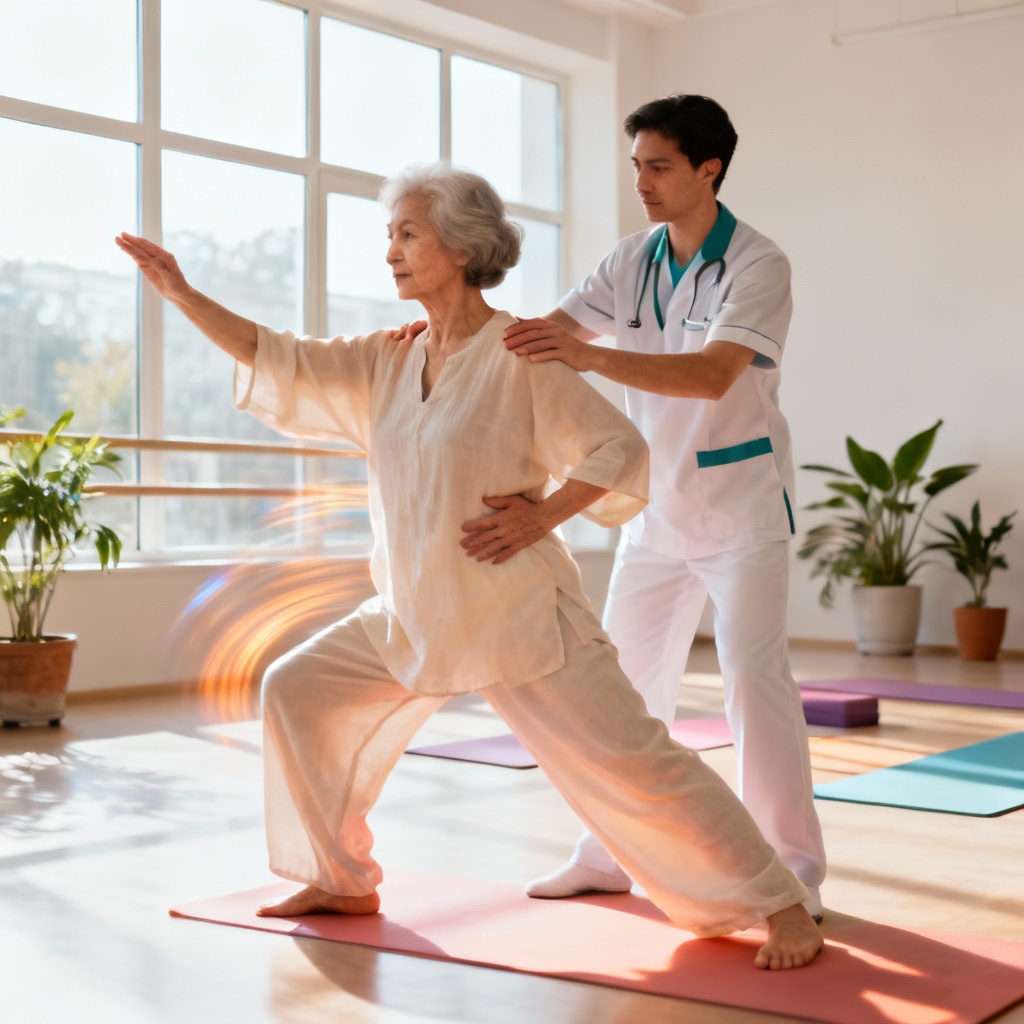
Tai Chi involves slow, continuous movements, smooth weight shifts, and coordinated breathing patterns. These elements work together to significantly improve your body's capabilities.

Enhance Your Balance: Prevent Falls
Practicing these mindful motions can greatly enhance your balance control and proprioception. This heightened body awareness helps reduce the risk of accidental falls significantly.
Boost Joint Health: Ease Discomfort
You will also experience improved joint range of motion and increased muscle endurance. These physical benefits directly contribute to alleviating pain from osteoarthritis and chronic conditions (PMID: 32109876).
Regain Mobility: Post-Stroke Support
Moreover, Tai Chi actively promotes motor function recovery after events like a stroke. This can truly make a difference in daily living abilities.
Support Parkinson's: Improve Function
It also supports individuals managing Parkinson’s disease, helping to restore essential daily functions. This ancient art offers tangible benefits for neurological recovery.
Feel Better, Move Freely: The Amazing Science Behind Tai Chi
The healing mechanisms of Tai Chi are deeply rooted in scientific principles. One key aspect is neuromuscular re-education, which retrains your brain and muscles to work together efficiently.
Reshape Your Brain: Boost Plasticity
It actively promotes neuroplasticity, essentially helping your brain rewire itself for improved function. This amazing process strengthens neural pathways (PMID: 29876543).
Circulate Vitality: Healthy Heart
Tai Chi also enhances cardiopulmonary circulation, boosting heart and lung health. Think of it like a smooth, steady river flowing through your body, keeping everything nourished and functional. It’s not just a physical exercise; it's a profound energy management system. This practice also lowers stress-induced inflammatory responses.
Achieve Harmony: Holistic Wellness
Tai Chi emphasizes holistic regulation and maintaining the body's natural harmony. This core philosophy ensures a balanced approach to your wellness.
Customize Your Practice: All Abilities
It is incredibly adaptable, easily modified for seated practice or with assistive devices. This makes it accessible for almost anyone to participate.
Stay Safe, Keep Practicing: High Adherence
The practice boasts high safety and excellent adherence rates, making it a reliable choice for long-term health. Many find it simple to incorporate into their routine. You can explore more about this through our Qi Gong & Tai Chi Basics.
Complementary Care: Boost Other Therapies
Tai Chi for Rehabilitation serves as a fantastic complement to traditional physical therapy, occupational therapy, and medication-based rehabilitation. It truly rounds out your healing plan.
Start Slowly, Heal Smartly: How to Practice Tai Chi for Rehabilitation
When integrating Tai Chi into your recovery, a progressive approach is key. Begin gently and gradually increase your practice as you feel comfortable.
Schedule Your Sessions: Consistent Healing
Experts recommend sessions lasting 20–60 minutes, performed 2–5 times each week. Consistency is more important than intensity in the beginning.
Seek Expert Guidance: Tailored Progress
Always practice under professional guidance to adjust movement intensity and complexity. Your specific condition and fitness level will guide these modifications. Many practitioners believe Tai Chi harmonizes your body's vital energy, or Qi, Blood, and Essence, which is often considered the foundation of health and resilience, much like keeping your internal communication lines clear and flowing (Huangdi Neijing, Suwen Ch. 11). For more on this, check out our insights on Qi & Blood.
Embrace Lasting Benefits: Enhance Life Quality
Modern research consistently confirms the significant positive impact of Tai Chi for Rehabilitation on functional recovery and overall quality of life (PMID: 31234567). It is truly a holistic pathway to a healthier you, supporting your journey towards Healthy Living.
References:
3-Second Self-Test & 30-Second Self-Rescue: Your Quick Guide to Relief!
Test Your Balance: Stand on one foot for 3 seconds. Can you hold it steady without wobbling?
- If you struggle to balance or feel unstable, then immediately try this: Stand with feet shoulder-width apart, gently shift your weight side to side, then forward and back, feeling your connection to the ground. Repeat for 30 seconds. This simple motion enhances your stability receptors and sets the stage for better balance, a cornerstone of Tai Chi.
Medical Disclaimer:This article is for educational use only and is not a substitute for professional medical advice.