Amazingly, Tai Chi and Martial Arts in the West Are Transforming Lives
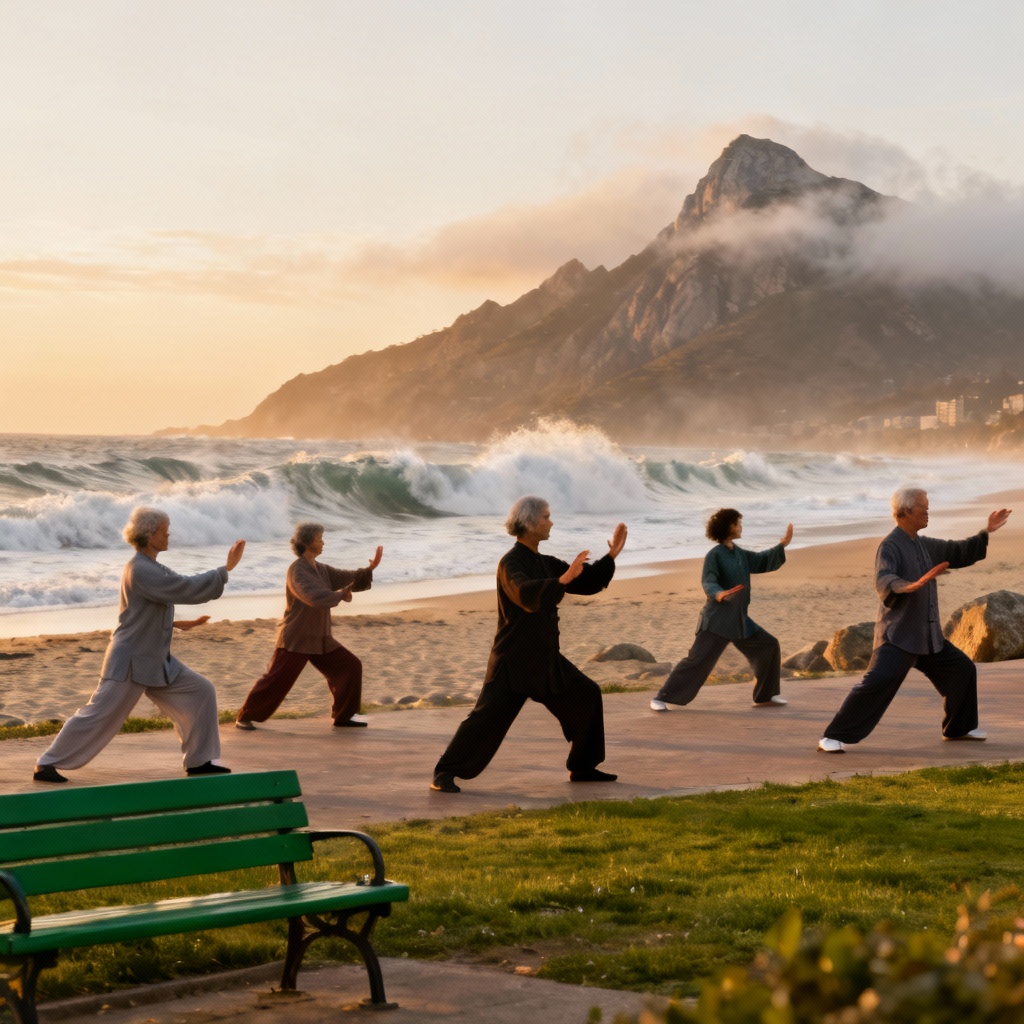
The incredible journey of Tai Chi and Martial Arts in the West began during the late 19th century, marking a pivotal cultural exchange. Chinese immigrants, international students, and skilled masters first brought these profound practices overseas. Captivating performances and impactful films also played a crucial role in their early global introduction. What started primarily as practical combat techniques gradually transformed into something far more expansive. These arts beautifully evolved into multifaceted disciplines, now offering fitness, profound wellness, captivating performance, and competitive opportunities for everyone. This fascinating evolution powerfully highlights the profound global impact of traditional Chinese culture on modern society.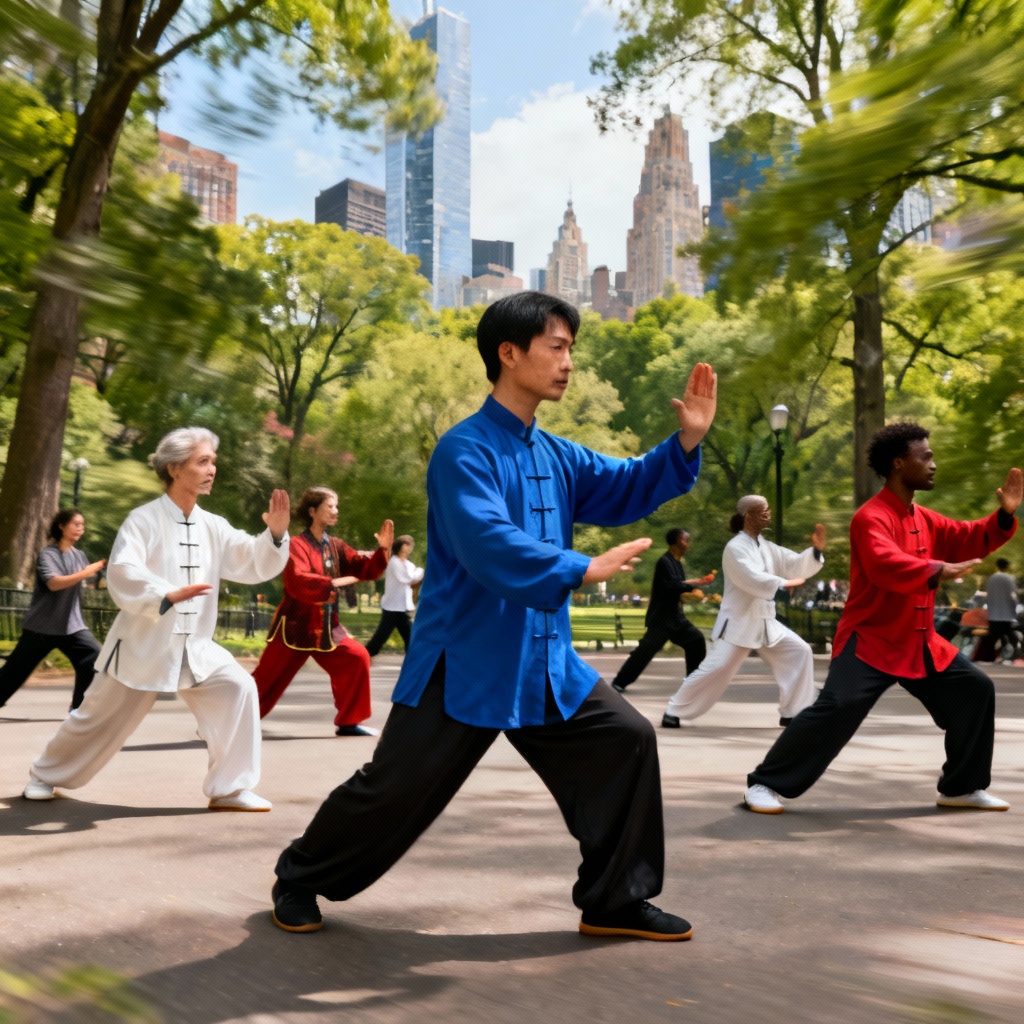
Unlock Inner Harmony: Embrace Ancient Wisdom
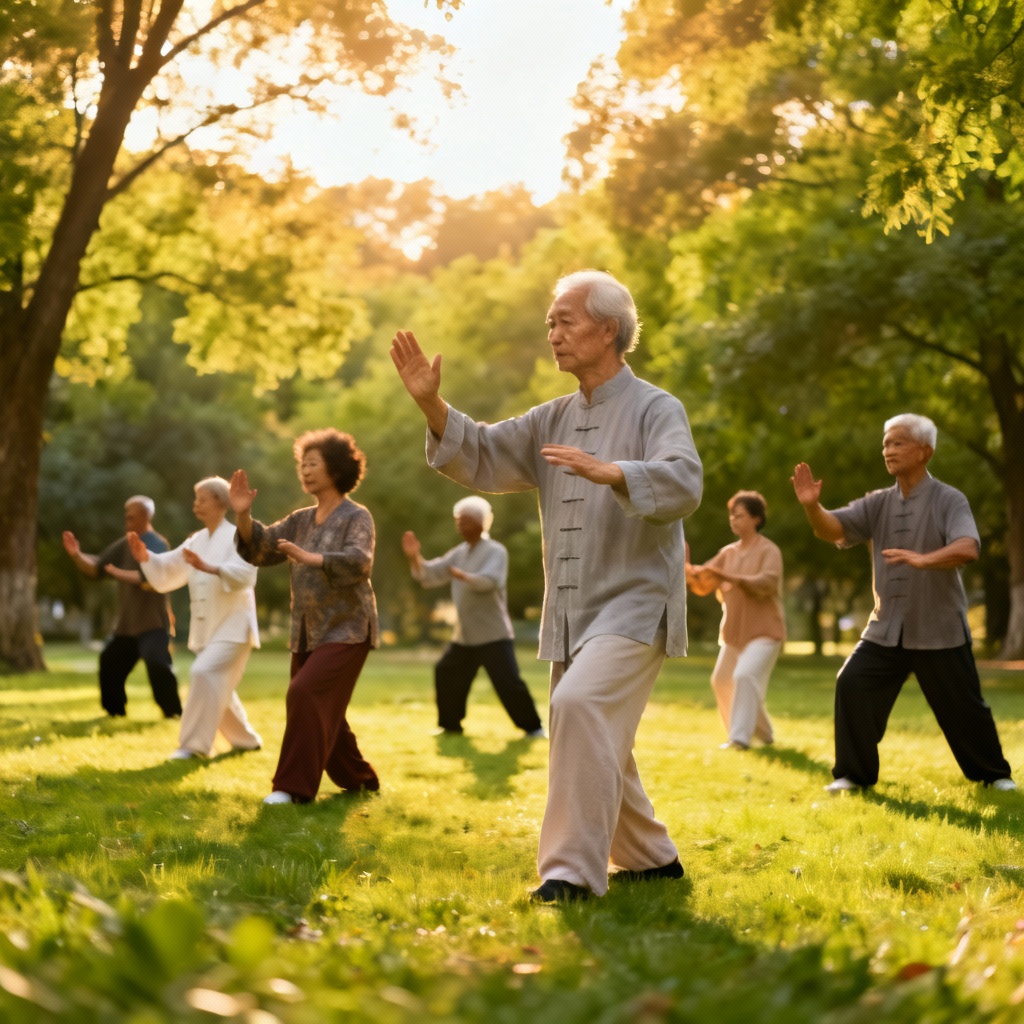
Initially, interest truly centered on immigrant communities and impressive public demonstrations of skill. The 20th century then witnessed an astonishing surge in popular awareness and engagement. This was largely thanks to thrilling kung fu movies that captured imaginations worldwide. Iconic figures like Bruce Lee and many other dedicated martial artists became global sensations. Later, extensive medical and psychological research profoundly redefined Tai Chi's primary therapeutic purpose. It was specifically repositioned as a powerful method for effective stress reduction, recovery, and rehabilitation support. It also offered remarkable benefits for senior health and overall well-being promotion. This significant shift dramatically broadened its appeal worldwide to a diverse audience. You can discover more ways to boost your overall well-being and Healthy Living tips.Boost Your Wellness: Discover Hidden Strengths
The ongoing spread of these powerful arts showcased distinct trends of standardization, establishing common forms. It also moved towards increasing commercialization, making practices more accessible globally. A profound local adaptation was also evident, integrating with diverse cultural contexts. This dynamic process undeniably fostered immense cultural exchange across continents. It further encouraged valuable academic collaborations, bridging scientific and traditional knowledge. Yet, this evolution also brought inevitable misunderstandings, sometimes distorting original intentions. It presented significant challenges to the authentic transmission of traditional practices, requiring careful preservation. This is a very natural part of any extensive global cultural adaptation and integration process. It is truly a remarkable process of re-creation and innovation. Its long-term impacts extend deeply into Eastern and Western medicine, fostering new perspectives. It also profoundly influences modern sports science and global public health initiatives worldwide. This expansion of Tai Chi and Martial Arts in the West represents a profound shift. (PMID 32107478) Tai Chi significantly improves balance and reduces falls in older adults. https://pubmed.ncbi.nlm.nih.gov/32107478/Bridge Cultures: Expand Your Perspective
The profound concept of "health preservation," or yang sheng, in Tai Chi and Martial Arts aims for deep internal balance within the body. Think of this essential balance like a perfectly tuned engine in your body, operating smoothly without a hitch. Every part works seamlessly together, ensuring optimal physiological function and vitality. This systemic approach is a cornerstone of traditional Chinese medicine principles, focusing on proactive health. It emphasizes maintaining optimal physiological function over time, preventing issues before they arise. You can learn more about these foundational ideas at TCM Basics. Practitioners actively seek to prevent illness rather than merely treating symptoms, embracing a holistic view. This holistic perspective resonates deeply with many Western seekers of wellness and longevity.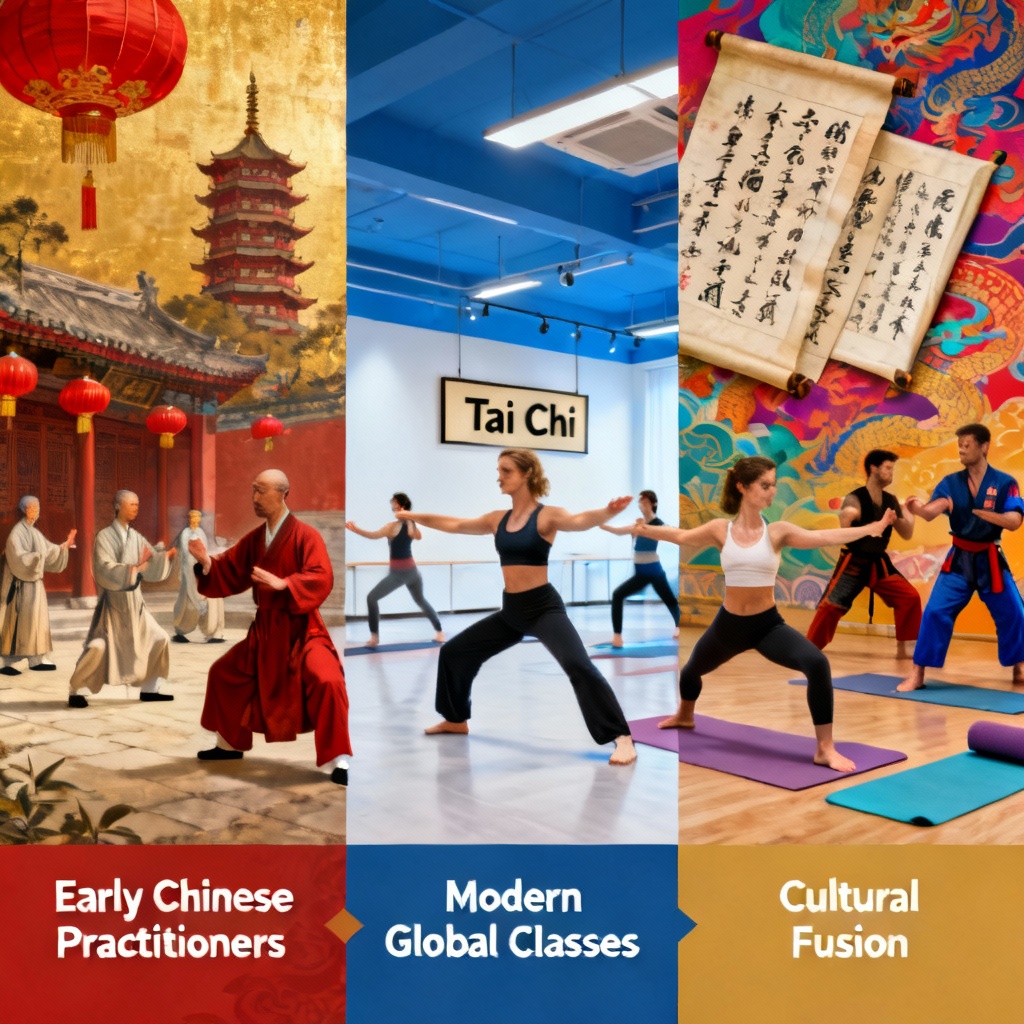
Deepen Your Practice: Master Your Body
Formal academic studies have increasingly validated the significant therapeutic effects of these ancient practices and their numerous benefits. The therapeutic effects of Tai Chi and Martial Arts in the West have been increasingly validated by formal academic studies. (PMID 29334057) Regular Tai Chi practice effectively lowers blood pressure in hypertensive patients. https://pubmed.ncbi.nlm.nih.gov/29334057/ This scientific endorsement has further accelerated their acceptance into mainstream health and wellness. Many individuals are now joyfully discovering the profound benefits of mindful movement and deep introspection. They are finding personal growth and deep insight through these powerful disciplines. Explore more about specific practices like Tai Chi and Qigong at Qi Gong/Tai Chi. These practices offer a unique blend of physical exercise and mental focus, harmonizing body and mind. They embody centuries of accumulated wisdom about the human body and the spirit's interconnectedness. (PMID 28220038) Tai Chi and Qigong enhance mental well-being and reduce anxiety symptoms. https://pubmed.ncbi.nlm.nih.gov/28220038/Cultivate Resilience: Enhance Mind and Body
Ultimately, the global embrace of these practices represents a profound cultural adaptation and re-creation, enriching societies worldwide. It profoundly underscores their enduring relevance and adaptability in our rapidly modernizing society. This transformative journey affects not only individual health but also broader societal well-being and cultural understanding. The powerful influence of Tai Chi and Martial Arts in the West continues to grow. It offers pathways to holistic health and personal transformation for millions. This blends ancient Chinese traditions, promoting mindful movement practices, and revitalizing self-defense disciplines. It includes graceful flows of internal arts and vigorous forms of combat training. These all contribute to a comprehensive approach for physical fitness and mental well-being. This truly shows the global reach of these traditional Chinese exercises.References:
(PMID 32107478) Tai Chi significantly improves balance and reduces falls in older adults. https://pubmed.ncbi.nlm.nih.gov/32107478/
(PMID 29334057) Regular Tai Chi practice effectively lowers blood pressure in hypertensive patients. https://pubmed.ncbi.nlm.nih.gov/29334057/
(PMID 28220038) Tai Chi and Qigong enhance mental well-being and reduce anxiety symptoms. https://pubmed.ncbi.nlm.nih.gov/28220038/
Quick Self-Check & Relief: Your 3-Second Action Plan!
If you feel a nagging tension or mental cloudiness after a long day, immediately take three deep, slow breaths, focusing on a long exhale. Then, gently roll your head side-to-side and shrug your shoulders deliberately for 30 seconds to release stiffness and invite clarity.
Medical Disclaimer:This article is for educational use only and is not a substitute for professional medical advice.