Mastering the Absolutely Essential Tai Chi Footwork: Unlocking Your Core Stability
Understanding Tai Chi Footwork and its fundamental postures is crucial. Think of it as building a strong foundation for your house. Mastering these core elements makes your Tai Chi practice effective and safe. It truly sets the stage for a transformative experience.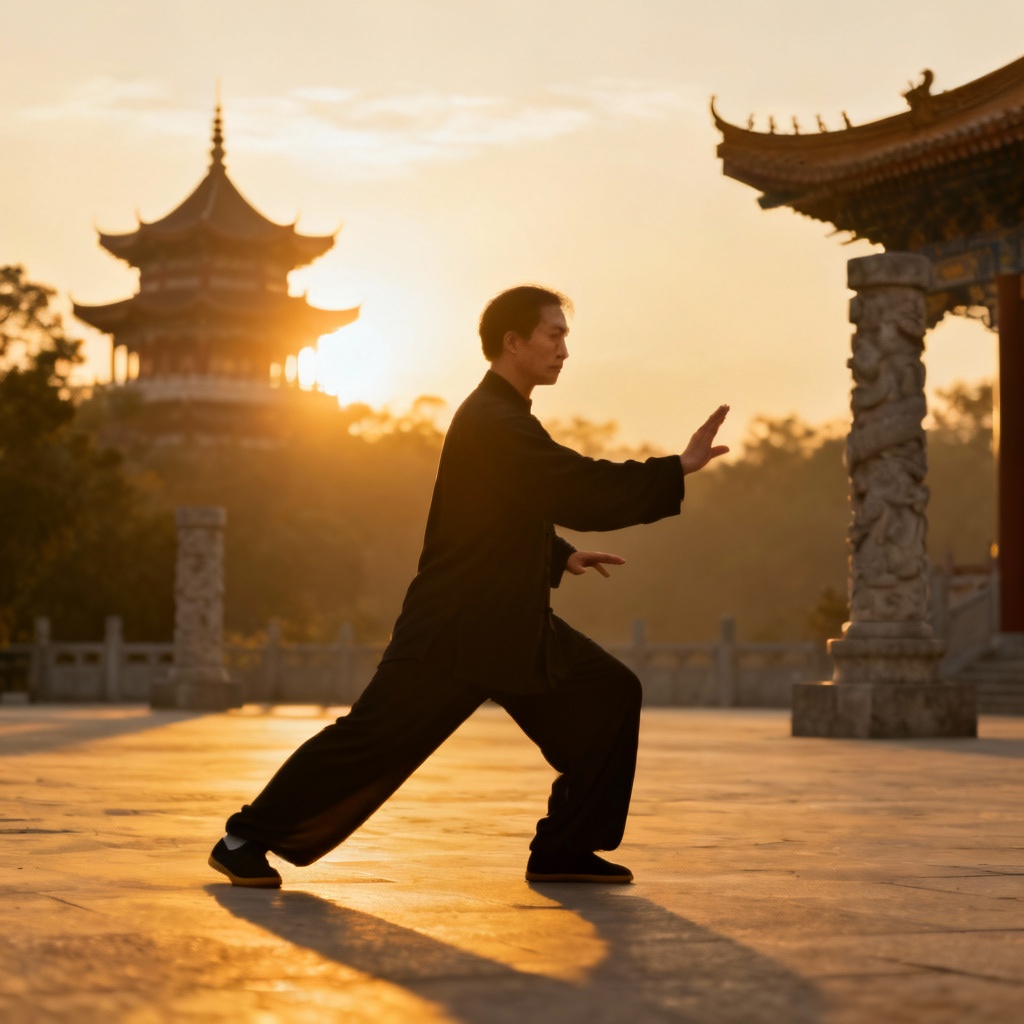
Stand Grounded: Cultivate Inner Calm
Begin by standing naturally, your feet spread about shoulder-width apart. Gently bend your knees and let your body's center of gravity slightly lower. Imagine a string softly pulling the crown of your head upward, naturally straightening your spine. Allow your arms to hang relaxed, ensuring your shoulders remain completely loose. This initial posture, often called "Wuji Stance," serves as the starting point for every Tai Chi movement. It establishes your grounding.Shift Effortlessly: Enhance Your Balance
A primary concept in Tai Chi Footwork involves distinguishing between "empty" and "full" steps. One foot carries your body's full weight, while the other lightly touches the ground. Transferring your weight should feel slow and incredibly smooth, much like a cat moving without a sound. This specific technique significantly improves your overall balance and also helps reduce unnecessary pressure on your joints. It teaches fluid motion.Build Strength: Fortify Your Lower Body
The Bow Stance involves bending your front leg to bear weight, while your back leg remains straight. This posture is frequently used for pushing palm movements. The Horse Stance requires spreading your legs and bending your knees, distributing your weight evenly. It mainly serves as a powerful standing exercise. Both stances effectively strengthen leg muscles and significantly improve lower body stability. To learn more about how vital energy impacts your well-being, explore Qi & Blood.Lead with Your Core: Boost Whole-Body Harmony
Tai Chi profoundly emphasizes the "waist as the master" principle. Every single step you take must be guided by a rotation of your waist. First, turn your waist, then shift your foot, and finally, your arms gracefully follow. This coordination training truly enhances your physical flexibility and also strengthens your vital core muscles. This holistic approach makes your movements wonderfully integrated.Glide Smoothly: Refine Body Control
When shifting your body weight, always keep your upper body perfectly upright, avoiding any tendency to sway. As you move your foot, let your toes gently touch the ground first, then gradually flatten your entire sole. Envision yourself walking on a slick sheet of ice; each step must be deliberate and steady. This method truly trains deep muscle groups and dramatically improves your precise body control.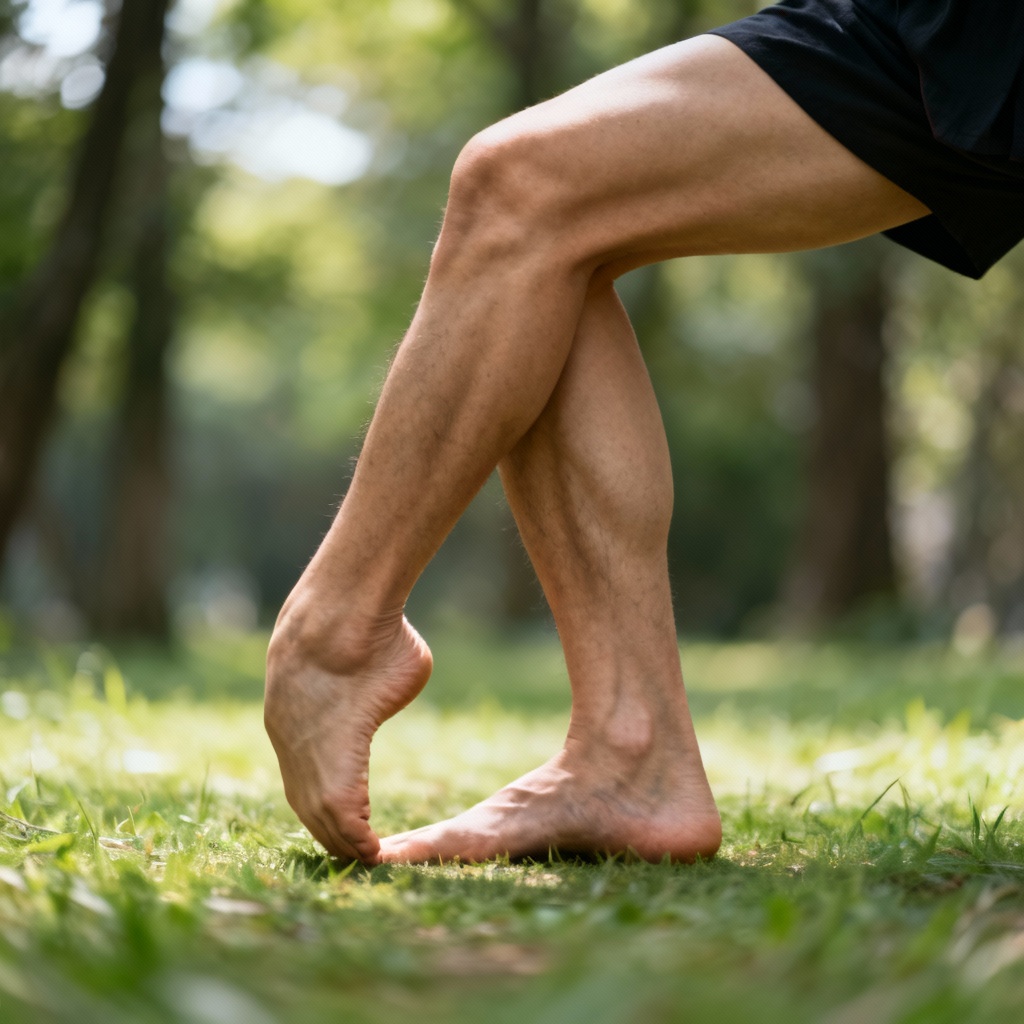
Breathe Deeply: Harmonize Mind and Movement
Your footwork practice should always incorporate natural, rhythmic breathing. Typically, you should exhale as your weight shifts downward and inhale as you rise. Avoid holding your breath or breathing too quickly; instead, let your breath and movement synchronize effortlessly. This connection between breath and motion is like the invisible fuel for your body's systems, ensuring everything flows smoothly and without a traffic jam.Practice Wisely: Accelerate Your Learning
When you first begin practicing Tai Chi Footwork, feel free to make your movements a bit larger. This helps you grasp the fundamental principles more easily. As you gain proficiency, gradually reduce your range of motion, focusing instead on internal precision and control. Remember the core essence of Tai Chi: it is "slow, steady, continuous, and rounded." Do not rush your journey. Tai Chi is a fantastic way to develop these skills. For further insights into integrating wellness practices into your daily life, visit Healthy Living. The proper execution of Tai Chi's unique movement patterns, accurate stance training, and precise body alignment are crucial for unlocking its profound health benefits. Through consistent balance techniques and dedicated practice of weight shifting, you will undoubtedly notice significant improvements in your overall body coordination, sense of equilibrium, and lower body mechanics. Learning these postural foundation skills is essential for anyone interested in this ancient art. Practicing this traditional Chinese martial art, also known as Qi Gong Tai Chi, enhances overall wellness (PMID: 29878201). These improvements stem from the intricate flow of motion. The benefits of Tai Chi are well-documented, showing improvements in balance and physical function across various populations (PMID: 25488219). Tai Chi is highly recommended for enhancing neuromotor control and reducing fall risk in older adults (PMID: 26868516).References
(Tai Chi has been shown to improve balance and coordination in older adults: PMID: 29878201)
(Regular Tai Chi practice significantly enhances physical function and reduces falls: PMID: 25488219)
(The ancient art of Tai Chi offers profound benefits for mental and physical well-being: PMID: 26868516)
Ready for a Quick Check & Rescue?
If you find yourself feeling unstable during daily movements: Immediately try this 3-second self-test! Stand on one leg for 30 seconds.
If you notice a wobble: Immediately practice slowly shifting your weight from one foot to the other, just like the "empty and full" steps in Tai Chi, for 30 seconds. You’ll feel more grounded instantly!
Medical Disclaimer:This article is for educational use only and is not a substitute for professional medical advice.