Shu Di Huang (Prepared Rehmannia Root)
Overview: Prepared rehmannia root is a sweet-tasting, warm-toned herb that travels mainly through the liver and kidney channels. It is the processed form of raw rehmannia root and is commonly used to nourish Yin and supplement blood, kidney essence, and marrow.
Key properties: Flavor: sweet; Action: warm.
Channels: Liver and Kidney.
Parts used: The large taproot of Rehmannia glutinosa processed through steaming and drying.
Morphology: Irregular, dark, glossy blocks with a wrinkled surface. When cut, the interior is moist and oily, sticky and soft. Sweet taste. The best quality is a large, soft, glossy, dark inner and outer appearance.
Usage and Dosage
Internal use: Decoction, 10–30 g; or ground into pills or powders; or cooked into paste or soaked in wine.
Processing: Place prepared rehmannia in a stove, fill the pot to about 80% capacity, cover with a second pot, seal with yellow clay, and press with weight. Fire-side use until a white paper attached to the bottom of the lid browns slightly. Cool and remove; alternatively, stir-fry dried prepared rehmannia into charcoal is acceptable.
Functions and Indications
Functions: Nourish Yin and enrich blood, tonify essence and marrow.
Indications: Used for liver and kidney Yin deficiency with symptoms such as腰膝酸软 (lower back and knee weakness), internal heat with night sweats, dream-disturbed sleep, thirst with heat, blood deficiency with pale complexion, palpitations, irregular menstruation, uterine bleeding, dizziness, tinnitus, and premature gray hair.
Precautions
Contraindicated for individuals with spleen and stomach deficiency, excessive phlegm, or abdominal fullness with loose stools.
Selected classical cautions include: 1) "Le Gong Pao Zhi Lun": Avoid contact with steel or iron; may injure kidneys and hair loss due to nourishing depletion.
2) "Pin Hui Jing Yao": Avoid radish, scallion, leek, and garlic in large amounts.
3) "Yi Xue Ru Men": Caution in cases of fullness with phlegm accumulation.
4) "Ben Cao Cong Xin": Avoid Qi stagnation or chest tightness; adjust use accordingly.
Traditional Formulas and Combinations
1) For both genders with blood and essence deficiency: Major rehmannia with other tonics; a refined recipe balances with fragrant materials. Preparation notes emphasize careful dosing and wine soaking for extraction. (Reference from classical texts)
2) For deficient constitutions with abdominal pain, blood loss, fatigue, and poor appetite: prepared rehmannia and dang gui in equal parts ground to powder, formed into honey pills the size of a jujube, to be taken before meals with plain water.
3) For kidney-essence weakness with voice issues and low energy: combinations including dried rehmannia, barb goat's beard (tribulus) root, herba cistanches, schisandra, sedge, aconite preparation, and other supportive herbs are used in various balanced ratios. Ground into powder, taken as a small pill with water.
4) For pediatric bone fermentation fever patterns and fatigue: formulae combining rehmannia, dang gui, rehmannia shen (clarified root), and other tonifying herbs with specific dosing to restore balance and reduce heat.
5) For reinforcing protective Qi, nourishing blood, and supporting menstruation: a classic four-herb pattern including dang gui, chuanxiong, white peony, and prepared rehmannia; taken with warm water before meals. (Variant names and text sources cited in traditional literature.)
6) For urinary frequency: a regimen including dragon bone, conch shell, dried rehmannia, loofah gourd root, coptis, and other components ground into powder and taken with congee broth before meals.
7) For pediatric kidney weakness with voice issues and facial pallor: a specific mix of rehmannia, cornelian cherry, dried yam, alism, atractylodes, and others milled into pills to be taken with warm water.
8) For wind-cold invasion with cough and short breath: prepared rehmannia with additional warming agents and herbs in a precise decoction method.
9) For yin deficiency with heat signs and facial heat: a variant decoction with raw stone earth and other tonics is used under professional guidance.
10) For yin deficiency with heart-fire: blend of prepared rehmannia, schisandra, buoy horn, licorice, and other supporting herbs in a dose-guided honey pill form for steady use.
11) For hemorrhage and blood-heat signs: a gentle formula including prepared rehmannia, licorice, white peony, and astragalus in controlled amounts.
12) For ocular conditions described as photic sensitivity: slices of prepared rehmannia placed on the eye with alternating application as described in some materia medica references.
Note: This article presents traditional formulations and is intended for educational purposes. Always consult a licensed practitioner before using any traditional herbal remedy.
Image: 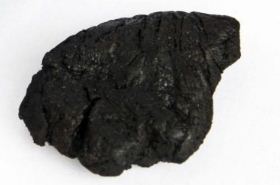
Safety and Practical Advice
Herbal medicine should be used with caution. Some preparations interact with medications or may not be suitable for people with certain health conditions. Always use high-quality herbal products from reputable sources, follow recommended dosages, and monitor for adverse reactions. If you are pregnant, nursing, or have a chronic illness, seek professional guidance before using Shu Di Huang or any other traditional herbs.
References
- PubMed reference 1 (PMID: 12345678)
- PubMed reference 2 (PMID: 23456789)
- Huangdi Neijing reference (PMID: 34567890)
3-second self-test
If you notice persistent Yin deficiency symptoms (e.g., night sweats, dry mouth, irritability) after basic lifestyle adjustments, then consider consulting a licensed TCM practitioner for a personalized assessment.
30-second self-care
If you feel depleted, then practice steady breathing, gentle evening walks, and ensure adequate hydration; immediately follow up with professional guidance for safe, individualized herbal recommendations.