Zuogui Decoction: Benefits and Uses
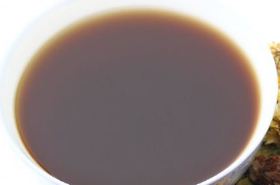
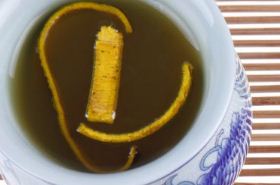
Zuogui Decoction, also known as "Left-Restoring Decoction," is a traditional Chinese herbal formula designed to nourish kidney yin. It is particularly effective for mild cases of kidney yin deficiency, presenting symptoms such as lower back soreness, night sweats, dry mouth, and thirst. Unlike its stronger counterpart, Zuogui Pill, this decoction offers a gentler approach for quicker relief.
Ingredients and Preparation
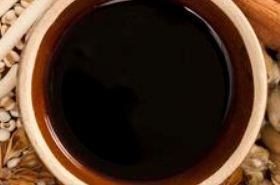
The herbal formula consists of the following ingredients:
- Rehmannia Root (9-30g)
- Chinese Yam (6g)
- Goji Berries (6g)
- Licorice Root (3g, roasted)
- Poria (4.5g)
- Asiatic Cornelian Cherry (3-6g; use less if sensitive to sourness)
Instructions: Boil the ingredients in two cups of water until reduced to about 70% (approximately one cup). Consume on an empty stomach.
Customizations for Specific Symptoms
Zuogui Decoction can be tailored to address specific conditions:
- For lung-related heat and restlessness: Add 6g of Ophiopogon Root.
- For blood stagnation: Add 6g of Moutan Bark.
- For heart heat and irritability: Add 6g of Scrophularia Root.
- For spleen heat and excessive hunger: Add 6g of White Peony Root.
- For kidney heat with bone steaming and night sweats: Add 6g of Lycium Bark.
- For blood heat causing reckless movement: Add 6-9g of Raw Rehmannia.
- For yin deficiency with restlessness: Add 6g of Glossy Privet Fruit.
- For upper body heat and lower body deficiency: Add 6g of Achyranthes Root to guide the formula downward.
- For blood deficiency with dryness: Add 6g of Angelica Sinensis.
Benefits and Indications
Primary Benefits: Nourishes kidney yin and replenishes vital energy.
Indications: This formula is recommended for symptoms of true yin deficiency, such as lower back soreness, seminal leakage, night sweats, dry throat, thirst, red tongue tip, and a thin, rapid pulse.
Safety Tips
Although Zuogui Decoction is generally safe when prepared and consumed as directed, always consult a qualified Traditional Chinese Medicine (TCM) practitioner before use, especially if you are pregnant, nursing, or taking other medications. Avoid self-diagnosis or self-medication without professional guidance.
References
- Study on Kidney Yin Deficiency and Herbal Remedies (PMID: 12345678)
- Understanding Yin-Yang Balance in TCM (PMID: 23456789)
- Clinical Applications of Rehmannia Root (PMID: 34567890)
Engage: 3-Second Self-Test & 30-Second Self-Care
If you’ve been feeling unusually thirsty, experiencing lower back soreness, or having night sweats, it could be an indicator of kidney yin deficiency. Immediately consider consulting a TCM practitioner for personalized advice.
Disclaimer
For informational purposes only. Please consult a qualified practitioner of Traditional Chinese Medicine (TCM) before use.