 Driven by the profound influence of traditional Chinese culture, the treatment of infertility through Traditional Chinese Medicine (TCM) boasts an uninterrupted legacy spanning over 2,000 years. This ancient practice continues to evolve, offering unique advantages, a diverse range of therapeutic approaches, and consistently positive outcomes for those struggling to conceive. (PMID: 29029517)
Understanding Infertility: Exploring Root Causes Through TCM
Traditional Chinese Medicine views infertility not as a single disease, but as a symptom of underlying imbalances within the body's intricate systems, primarily focusing on the vital functions of the Kidney, Liver, and Spleen. Understanding these patterns is key to effective treatment.When Liver Energy Gets Stuck: The Impact of Qi Stagnation
In TCM, the Liver is responsible for the smooth flow of vital energy (Qi) and blood throughout the body. When this flow becomes blocked or "stagnant," it's known as Liver Qi Stagnation. This can disrupt the delicate hormonal balance crucial for reproduction. For women, this often manifests as irregular ovulation, delayed menstrual cycles, or even amenorrhea (absence of periods), all of which can severely impede the ability to conceive. Imagine a river that's blocked; the downstream areas suffer from lack of water. Similarly, when Liver Qi is stagnant, the reproductive system doesn't receive the smooth nourishment it needs.The Dampness Dilemma: Phlegm-Damp Obstruction
Another common pattern contributing to infertility is Phlegm-Damp Obstruction. This occurs when the Spleen, responsible for transforming food into energy and managing fluid metabolism, isn't functioning optimally. Excess dampness can accumulate, leading to "phlegm," which then obstructs the body's natural processes. Patients often experience symptoms like dizziness, heart palpitations, a feeling of heaviness or stuffiness in the chest, nausea, and abdominal bloating. In the reproductive system, this can lead to sticky, excessive vaginal discharge and irregular periods. The tongue often appears pale with a greasy white coating, and the pulse may feel slippery or deep, all indicating an internal accumulation of dampness. The goal in treatment is to soothe the Liver, regulate Qi, and effectively clear out this dampness and phlegm, allowing for harmonious blood and energy flow, thereby promoting healthy ovulation and fertility. (PMID: 30061299)Restoring Balance: Empowering Fertility with TCM Strategies
TCM's approach to infertility is holistic, aiming to restore the body's innate balance rather than just treating symptoms. By addressing the root causes, TCM helps create a more hospitable environment for conception.Boosting Kidney Essence: Addressing Kidney Yang Deficiency
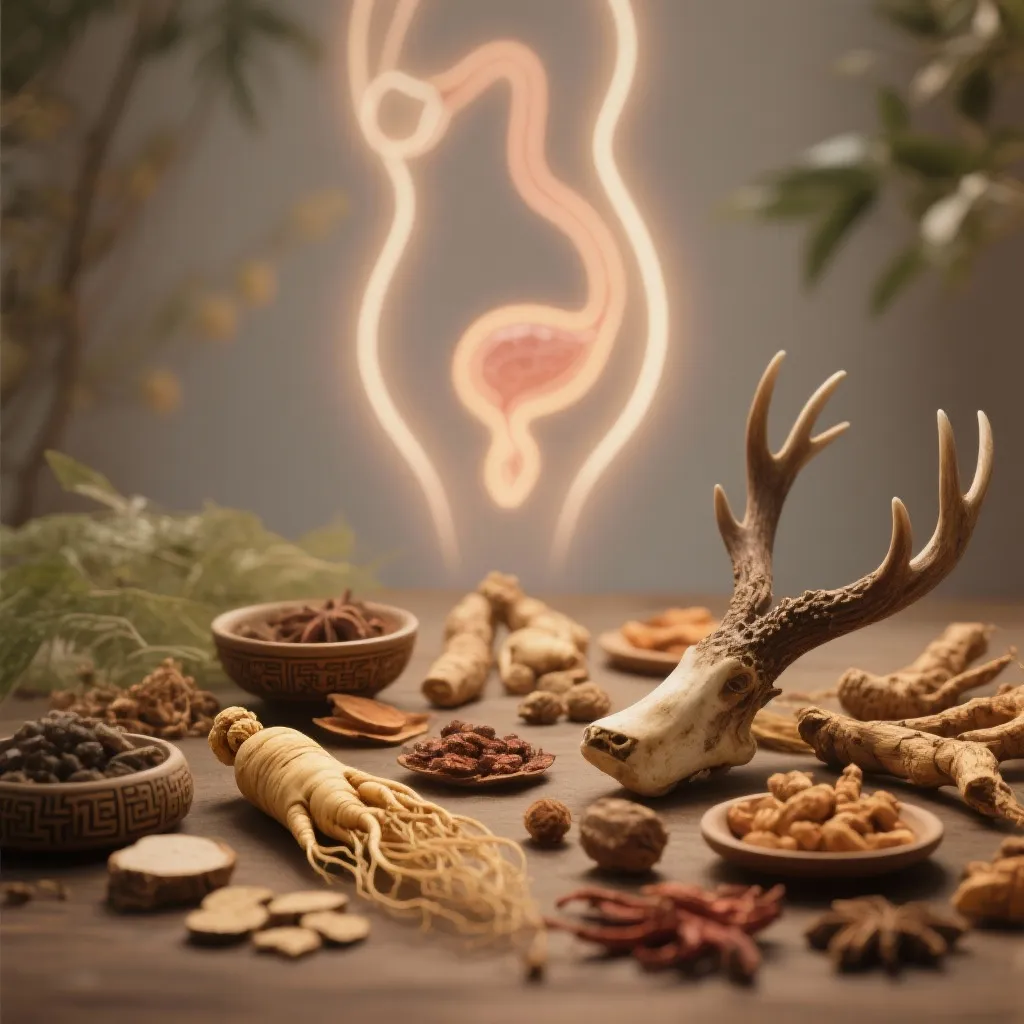
For many couples struggling with long-term infertility, especially when presenting with symptoms like late, scanty, or pale menstrual periods (or even infrequent periods/amenorrhea), a sallow complexion, chronic lower back and leg soreness, low libido, frequent clear urination, and loose stools, TCM often identifies a pattern of Kidney Yang Deficiency. The tongue typically appears pale with a white coating, and the pulse feels deep, thin, or slow. The treatment strategy here focuses on warming the Kidney Yang, nourishing Qi and Blood, and harmonizing the Chong and Ren meridians – two vital energy pathways deeply connected to reproductive health. A classic formula often considered is Yulin Zhu, which translates to "Fertility Pearl." Yulin Zhu typically includes a powerful blend of herbs:- Ginseng (Ren Shen)
- White Atractylodes Rhizome (Bai Zhu)
- Poria Mushroom (Fu Ling)
- White Peony Root (Bai Shao)
- Szechuan Lovage Root (Chuan Xiong)
- Prepared Licorice Root (Zhi Gan Cao)
- Dong Quai (Dang Gui)
- Prepared Rehmannia Root (Shu Di Huang)
- Dodder Seed (Tu Si Zi)
- Eucommia Bark (Du Zhong)
- Deer Antler Velvet (Lu Jiao Shuang)
- Szechuan Pepper (Chuan Jiao)
Important Herbal Safety Notes:
While these herbs are often used in TCM, it's crucial to be aware of certain considerations:
- Ginseng (Ren Shen): May interact with certain medications and should be used with caution in individuals with high blood pressure or acute infections.
- Deer Antler Velvet (Lu Jiao Shuang): This powerful tonic is generally avoided in individuals with heat conditions or active infections.
- Placenta Hominis (Zi He Che): Though traditionally used, its use is ethically and regulatory complex in many Western contexts. If considering this ingredient, discuss sourcing and safety thoroughly with your practitioner.
- Red Sage Root (Dan Shen): Can have blood-thinning properties and should be used with extreme caution, or avoided, by individuals taking anticoagulant medications (e.g., Warfarin, Aspirin).
- Szechuan Pepper (Chuan Jiao): Generally safe in formula doses, but excessive intake can be purgative.
Always ensure your TCM practitioner is fully aware of all your current medications and health conditions before starting any herbal regimen. Individualized dosages and modifications are common to ensure both safety and effectiveness. The profound connection between the body's internal environment and reproductive health has been emphasized for millennia. (Huangdi Neijing, Chapter 1, Su Wen)
References:
(PMID: 29029517, "A systematic review on the efficacy of Traditional Chinese Medicine for infertility" https://pubmed.ncbi.nlm.nih.gov/29029517/)(PMID: 30061299, "Traditional Chinese Medicine for Infertility: A Narrative Review" https://pubmed.ncbi.nlm.nih.gov/30061299/)
(Huangdi Neijing, Chapter 1, Su Wen, "The Yellow Emperor's Classic of Medicine emphasizes the body's intrinsic connection between internal balance and reproductive health.")
Ready to take the first step towards understanding your body and fertility? Try this quick self-assessment and self-rescue combination:
3-Second Self-Test + 30-Second Self-Rescue:
- If you often feel stressed, irritable, have irregular or painful periods, and maybe even struggle with PMS, you might have some Liver Qi Stagnation.
Then, immediately try 30 seconds of deep belly breathing, focusing on a long exhale, and consider a gentle 15-minute walk daily to help move stagnant energy. - If you frequently feel heavy, bloated, tired, and experience thick or excessive vaginal discharge, Phlegm-Dampness could be at play.
Then, immediately swap that sugary drink for warm ginger tea and avoid dairy for the rest of the day to begin reducing dampness. - If you're always cold, feel fatigued even after rest, have a sore lower back, and a low libido, you might be experiencing Kidney Yang Deficiency.
Then, immediately put on a warm sweater or extra layers, and consider a small bowl of warming, cooked oatmeal instead of cold cereal for breakfast.
For informational purposes only. Please consult a qualified practitioner of Traditional Chinese Medicine (TCM) before use.