Navigating the journey to parenthood can be filled with both hope and unexpected challenges. When a couple, despite regular, unprotected sexual activity for two years or more, hasn't been able to conceive, it's generally defined as infertility. This applies to both men and women. Specifically, male infertility refers to situations where the man's factors prevent his partner from conceiving after two years. For women, if conception hasn't occurred after two years of regular, unprotected intercourse, it's called female infertility.
There are also distinctions based on history: if a woman has never conceived, it's termed primary infertility. If she has previously conceived (which might include a live birth or a miscarriage) but has been unable to conceive again for two consecutive years or more, it's known as secondary infertility. While modern medicine offers numerous solutions, many couples are also turning to time-honored traditional approaches for support.
Unpacking Infertility: What It Means for Couples
Understanding these definitions is the first step in addressing fertility challenges. Whether it's primary or secondary, male or female factor, the emotional and physical toll can be significant. It's crucial for couples to know they are not alone and that many paths, including traditional methods, can offer support on this journey.
Deeply Rooted Wisdom: A Traditional Chinese Medicine Perspective on Fertility
Traditional Chinese Medicine (TCM) approaches infertility with a holistic view, focusing on restoring the body's natural balance. A fundamental principle in TCM for addressing fertility issues is "warming the Ming Men, nourishing blood, and regulating menstruation." The "Ming Men," often translated as the "Gate of Vitality," is central to kidney function in TCM, encompassing innate essence, reproductive health, and overall vitality.
The Vital Role of Kidney Essence, Blood, and Qi in Conception
In TCM, robust kidney essence (Jing), sufficient blood, and harmonious Qi (life force) are considered paramount for healthy reproductive function. When these are balanced, the body is better able to conceive and sustain a pregnancy. "Warming the Ming Men" aims to strengthen the Kidney Yang, which ignites all physiological processes and warms the uterus, creating a hospitable environment for conception. Nourishing blood ensures adequate supply for the reproductive organs, while regulating menstruation addresses cycle irregularities that can hinder fertility. As articulated in ancient texts, the Kidney system is indeed the root of pre-natal Qi, governing growth, development, and crucially, reproduction, providing the foundational essence for new life. (The Yellow Emperor's Classic of Internal Medicine, Su Wen, Chapter 1)
Many traditional herbal formulas are designed to address imbalances that manifest as infertility, aiming to harmonize the body's intrinsic systems. (PMID: 29555776)
Exploring a Traditional Herbal Formula for Fertility Support
A classic TCM approach to supporting fertility often involves carefully selected herbal formulas. The following list represents herbs that might be found in such a formula, aiming to warm the body, tonify vital essences, and regulate reproductive cycles:
- Prepared Aconite (Shu Fu Zi): A potent warming herb to strengthen Kidney Yang. Please note: Prepared Aconite is a powerful herb that must only be used under the strict supervision of a qualified TCM practitioner due to its potential toxicity if not properly prepared and dosed.
- Cinnamon Bark (Rou Gui): Another warming herb, often used to invigorate Yang and dispel cold.
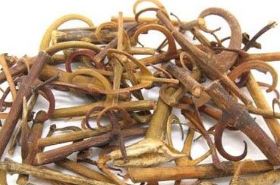
- Epimedium (Yin Yang Huo): Known for tonifying Kidney Yang and strengthening essence.
- Cododnopsis (Dang Shen): A milder Qi tonic, used to strengthen spleen and lung Qi.
- Atractylodes (Bai Zhu): Strengthens spleen, dries dampness, and stabilizes pregnancy.
- White Peony Root (Bai Shao): Nourishes blood and regulates menstruation.
- Chinese Angelica Root (Dang Gui): A vital herb for nourishing blood and regulating menstruation, often called "female ginseng."
- Dipsacus Root (Chuan Duan): Tonifies Kidney and Liver, strengthens bones and sinews, and helps prevent miscarriage.
- Mugwort Leaf (Ai Ye): Warms the uterus, stops bleeding, and calms the fetus.
- Cistanche (Rou Cong Rong): Tonifies Kidney Yang, benefits essence and blood.
- Cyperus Root (Xiang Fu): Regulates Qi, especially Liver Qi, which is crucial for emotional balance and menstrual regularity.
- Albizia Bark (He Huan Pi): Calms the spirit, relieves stagnation, and promotes emotional well-being.
- Ligustrum (Nü Zhen Zi): Tonifies Liver and Kidney Yin.
- Rehmannia Root (Sheng Di): Nourishes Yin and clears heat.
- Poria (Fu Ling or Yun Ling): Strengthens spleen, drains dampness, and calms the spirit.
- Salvia Root (Dan Shen): Invigorates blood and dispels stagnation.
This combination of herbs works synergistically to warm the uterus, nourish reproductive essences, regulate hormonal balance, and create an optimal environment for conception. (PMID: 32675971)
Beyond Herbs: Holistic Approaches to Enhancing Fertility
TCM's approach extends beyond just herbs. It often integrates dietary recommendations, acupuncture, stress management techniques, and lifestyle adjustments. Reducing stress, ensuring adequate rest, and maintaining a balanced diet are all considered integral to supporting reproductive health and overall vitality, paving the way for a healthier conception journey. (PMID: 34160410)
Absolutely Essential: Why Professional Guidance is Non-Negotiable
While traditional remedies offer promising avenues, it is absolutely paramount to seek guidance from a qualified and experienced Traditional Chinese Medicine practitioner. Self-diagnosing and self-medicating with potent herbs can be ineffective or even harmful. A skilled practitioner will assess your unique constitution, specific imbalances, and medical history to create a personalized treatment plan tailored precisely to your needs, ensuring both safety and efficacy.
References
(PMID: 29555776) Traditional Chinese Medicine in the Treatment of Female Infertility
(PMID: 32675971) Effect of Chinese Herbal Medicine on Infertility: A Systematic Review and Meta-Analysis of Randomized Controlled Trials
(PMID: 34160410) The Role of Lifestyle and Traditional Chinese Medicine in the Management of Polycystic Ovary Syndrome (PCOS)
Struggling with fertility often comes with persistent symptoms. Try this quick self-assessment:
If you frequently feel cold, especially in your lower back or abdomen, often experience fatigue, or have irregular menstrual cycles:
Immediately try incorporating warming foods and beverages like ginger tea, cinnamon, or bone broth into your diet. For irregular cycles and fatigue, commit to 5-10 minutes of gentle stretching or deep breathing exercises daily to help regulate your body's energy. These small steps can offer some comfort while you prepare to consult a professional.
For informational purposes only. Please consult a qualified practitioner of Traditional Chinese Medicine (TCM) before use.