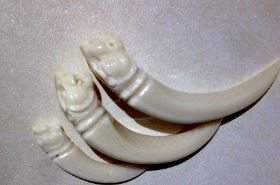
Delving into the rich history of Traditional Chinese Medicine (TCM), we encounter a substance known as Rhinoceros Horn (犀角, Xī Jiǎo). Historically revered for its potent medicinal properties, Rhinoceros Horn has been documented in classical TCM texts for centuries. This article translates and compiles information from ancient texts regarding its traditional uses, preparation, and associated cautions.
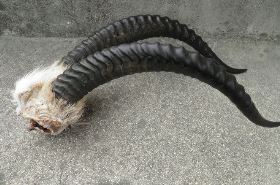
A Critical Note for Modern Readers: It is imperative to understand that rhinoceroses are now critically endangered species. The international trade and use of rhinoceros horn are strictly prohibited by CITES (Convention on International Trade in Endangered Species of Wild Fauna and Flora) and are illegal in most countries, including the United States and Canada. Modern TCM practitioners ethically do not use rhinoceros horn and instead rely on effective, legal, and sustainable herbal alternatives that offer similar therapeutic actions, such as water buffalo horn (Shui Niu Jiao) or other heat-clearing and blood-cooling herbs. This information is presented purely for historical and academic context from classical Chinese medical literature.

Rhinoceros Horn (Xī Jiǎo)
Alias: Rhinoceros Horn.
Taste and Nature (Xìng Wèi): Bitter, sour, salty, cold.
Meridian Tropism (Guī Jīng): Enters the Heart and Liver meridians.
Medicinal Part (Rù Yào Bù Wèi): The horn of various Rhinoceros species, including *Rhinoceros unicornis L.* (Indian Rhinoceros), *R. sondaicus Desmarest* (Javan Rhinoceros), *R. sumatrensis Cuvier* (Sumatran Rhinoceros), *R. bicornis L.* (Black Rhinoceros), and *R. simus Cottoni* (White Rhinoceros), used medicinally.
Rhinoceros Horn: Traditional Dosage and Administration
Internal Use: Traditionally prepared by grinding into juice or fine powder, typically 3 to 6 fen (approximately 0.9-1.8 grams); or decocted in water, usually 0.5 to 2 qian (approximately 1.5-6 grams); it could also be incorporated into pills or powdered formulations.
External Use: Historically, it was ground into a juice and applied topically.
Preparation (Páo Zhì):
- Rhinoceros Horn Slices: The horn was split into pieces, soaked in warm water, then removed, sliced thinly, and sun-dried.
- Rhinoceros Horn Powder: The horn was filed into a coarse powder, then ground into an extremely fine powder.
Rhinoceros Horn: Traditional Functions and Indications
Functions (Gōng Xiào): Clears heat, cools blood, calms internal wind and convulsions, detoxifies.
Indications (Zhǔ Zhì): Traditionally used to treat conditions involving severe heat entering the blood level in febrile diseases (such as *Shāng Hán* and *Wēn Yì*), manifesting as extreme agitation, restlessness, delirium, skin rashes (maculopapular eruptions), jaundice, vomiting blood (hematemesis), nosebleeds (epistaxis), blood in the stool (hematochezia), carbuncles, and swollen toxic sores. PMID: 30335029
Rhinoceros Horn: Traditional Formulations
Here are some classical formulas that traditionally included Rhinoceros Horn:
For Warm-Heat Epidemics, Spasms, Delirium, Restlessness, Maculopapular Eruptions, Dry or Purplish-Red Tongue, or Hard, Black Tongue Coating; also for Severe Measles with Purple Spots, and Post-Measles Toxins Causing Oral Ulcers, Pharyngeal Decay, Red Eyes, and Agitated Spirit:乌犀角尖 (U Xi Jiao Jian - Rhinoceros Horn Tip, ground into juice), 石菖蒲 (Shí Chāng Pú - Acorus calamus rhizome), 黄芩 (Huáng Qín - Scutellaria root), each six liang; 真怀生地 (Zhēn Huái Shēng Dì - Rehmannia root, raw, thoroughly washed with cold water, soaked, mashed, and juiced), 银花 (Yín Huā - Honeysuckle flower, fresh mashed juice is even better), each one jin; 粪清 (Fèn Qīng - human fecal extract, *Note: This ingredient is not used in modern TCM practice due to hygiene concerns and ethical considerations*), 连翘 (Lián Qiáo - Forsythia fruit), each ten liang; 板蓝根 (Bǎn Lán Gēn - Isatis root), nine liang; 香豉 (Xiāng Shǐ - Fermented soybean), eight liang; 元参 (Yuán Shēn - Scrophularia root), seven liang; 花粉 (Huā Fěn - Trichosanthes root), 紫草 (Zǐ Cǎo - Lithospermum root), each four liang. All ingredients are sun-dried and finely ground (avoid dry-frying). The Rhinoceros Horn juice, Rehmannia juice, and Fecal Extract are mixed and kneaded into pills (do not add honey; if difficult to form, the fermented soybeans can be boiled until soft). Each pill weighs three qian. Take twice daily with cool boiled water. Children should take half the dose. If Fecal Extract is unavailable, four liang of 人中黄 (Rén Zhōng Huáng - human urine sediment) can be added for pill formulation. (*From "Wēn Rè Jīng Wěi" - Divine Rhinoceros Elixir (Shén Xī Dān)*)
For Taiyin Warm Disease with Spirit Disturbance and Delirium: 犀角尖 (Xī Jiǎo Jiān - Rhinoceros Horn Tip, pulverized and ground), two qian; 元参心 (Yuán Shēn Xīn - Scrophularia root heart), three qian; 莲子心 (Lián Zǐ Xīn - Lotus seed embryo), five fen; 竹叶卷心 (Zhú Yè Juǎn Xīn - Rolled bamboo leaf heart), two qian; 连乔心 (Lián Qiáo Xīn - Forsythia fruit heart), two qian; 连心麦冬 (Lián Xīn Mài Dōng - Ophiopogon root with core), three qian. Decocted in water for internal use. (*From "Wēn Bìng Tiáo Biàn" - Clear Palace Decoction (Qīng Gōng Tāng)*)
For *Shāng Hán* with Excessive Internal Heat Toxin Causing Red Skin Rashes: 犀角 (Xī Jiǎo - Rhinoceros Horn, sliced thinly), 麻黄 (Má Huáng - Ephedra, remove root and stem nodes), 石膏 (Shí Gāo - Gypsum), each one liang; 黄连 (Huáng Lián - Coptis rhizome, remove whiskers), three fen; 山栀子仁 (Shān Zhī Zǐ Rén - Gardenia fruit kernel), one and a half liang. Grind the five ingredients coarsely. For each dose, take five qian spoon, add one and a half cups of water, decoct until one cup remains. Remove dregs, take warm. (*From "Shèng Jì Zǒng Lù" - Rhinoceros Horn Decoction (Xī Jiǎo Tāng)*)
For Acute Jaundice, Chest and Diaphragm Restlessness, Red and Painful Eyes: 犀角屑 (Xī Jiǎo Xiè - Rhinoceros Horn powder), one liang; 茵陈 (Yīn Chén - Artemisia capillaris), two liang; 黄芩 (Huáng Qín - Scutellaria root), one liang; 栀子仁 (Zhī Zǐ Rén - Gardenia fruit kernel), one liang; 川升麻 (Chuān Shēng Má - Cimicifuga rhizome), one liang; 川芒硝 (Chuān Máng Xiāo - Glauber's salt), two liang. Pound and sieve the above herbs into a powder. For each dose, take four qian, add one medium cup of water and thirty-seven bamboo leaves, decoct until six fen remain. Remove dregs, take warm, regardless of time. (*From "Shèng Huì Fāng" - Rhinoceros Horn Powder (Xī Jiǎo Sǎn)*)
For *Shāng Hán* and Warm Disease with Blood Stasis Due to Failure to Induce Sweating, or Incomplete Nosebleeds/Vomiting Blood, Causing Internal Stagnant Blood, Yellowish Complexion, Black Stool; to Dispel Blood Stasis: 犀角 (Xī Jiǎo - Rhinoceros Horn), one liang; 生地黄 (Shēng Dì Huáng - Raw Rehmannia root), eight liang; 芍药 (Sháo Yào - Peony root), three liang; 牡丹皮 (Mǔ Dān Pí - Moutan cortex), two liang. Finely slice the four ingredients. Add nine sheng of water, decoct until three sheng remain. Divide into three doses. (*From "Qiān Jīn Fāng" - Rhinoceros Horn and Rehmannia Decoction (Xī Jiǎo Dì Huáng Tāng)*). PMID: 24564757
For Vomiting Blood Resembling Goose or Duck Liver, Unceasing Day and Night: 犀角 (Xī Jiǎo - Rhinoceros Horn, finely sliced, used raw), two liang; 桔梗 (Jú Gěng - Platycodon root, used raw), two liang. Pound and sieve the two ingredients into a powder. Take two qian spoon with warm wine. (*From "Shèng Jì Zǒng Lù" - Raw Rhinoceros Powder (Shēng Xī Sǎn)*)
For Fresh Dysentery Blood: 犀角 (Xī Jiǎo - Rhinoceros Horn powder), 干地黄 (Gān Dì Huáng - Dried Rehmannia root), 地榆 (Dì Yú - Sanguisorba root), each two liang. Pound and sieve the three ingredients, then form into honey pills the size of a bullet. For each dose, take one pill, add one sheng of water, decoct until five ge remain. Remove dregs, take warm. (*From "Gǔ Jīn Lù Yàn Fāng"*)
For Childhood Rashes, Without Aversion to Cold, but with Restlessness, Scanty Red Urine, Excessive Thirst, or Red Spots: 犀角 (Xī Jiǎo - Rhinoceros Horn, sliced thinly), 甘草 (Gān Cǎo - Licorice root, dry-fried), each half liang; 防风 (Fáng Fēng - Saposhnikovia root), two liang; 黄芩 (Huáng Qín - Scutellaria root), half liang. Grind into a coarse powder. For each dose, scoop three qian, add one cup of water, decoct until seven fen remain. Remove dregs, take warm, regardless of time. (*From "Qí Xiào Liáng Fāng" - Rhinoceros Horn Powder (Xī Jiǎo Sǎn)*)
For Children's Convulsions, Unconsciousness, Confusion, Tongue Chewing, and Upward Gazing: 犀角末 (Xī Jiǎo Mò - Rhinoceros Horn powder), half qian spoon; mix with two large ge of water and administer. (*From "Guǎng Lì Fāng"*)
For Childhood Erysipelas (Dan Du), Wandering All Over the Body, Wind-Heat, Restlessness, and Confusion: 牛蒡子 (Niú Bàng Zǐ - Burdock fruit, stir-fried), 荆芥 (Jīng Jiè - Schizonepeta herb), 防风 (Fáng Fēng - Saposhnikovia root), 黄芩 (Huáng Qín - Scutellaria root), each one qian; 犀角 (Xī Jiǎo - Rhinoceros Horn), five fen; 生甘草 (Shēng Gān Cǎo - Raw Licorice root), five fen. Decocted in water for internal use. For external application, use slices of lean beef and apply to the affected area, changing when dry. (*From "Qí Fāng Lèi Biān" - Rhinoceros Horn Detoxifying Drink (Xī Jiǎo Xiāo Dú Yǐn)*)
For Febrile Disease with Red Swollen Throat, Oral Sores, Inability to Eat: 犀角屑 (Xī Jiǎo Xiè - Rhinoceros Horn powder), one liang; 川升麻 (Chuān Shēng Má - Cimicifuga rhizome), one liang; 川大黄 (Chuān Dà Huáng - Rhubarb, crushed, slightly stir-fried), one liang; 马牙硝 (Mǎ Yá Xiāo - Sal ammoniac), half liang; 黄柏 (Huáng Bò - Phellodendron bark, filed), half liang; 黄芩 (Huáng Qín - Scutellaria root), one liang. Pound and sieve the herbs into a powder. Add four large cups of water, decoct until one large cup remains. Remove dregs, add three ge of honey, boil once or twice, then let cool. Slowly sip and swallow. (*From "Shèng Huì Fāng" - Rhinoceros Horn Decoction (Xī Jiǎo Jiān)*)
For Red Eye Swelling and Pain: 犀角末 (Xī Jiǎo Mò - Rhinoceros Horn powder), half liang; 秦艽 (Qín Jiāo - Gentiana macrophylla root, remove sprouts and dirt), two liang; 黄连 (Huáng Lián - Coptis rhizome, remove whiskers), 滑石 (Huá Shí - Talcum, crushed), 马牙硝 (Mǎ Yá Xiāo - Sal ammoniac), each one liang; 杏仁 (Xìng Rén - Apricot kernel, soaked in hot water, peeled, tipped, double kernels removed, oil extracted), half liang. Pound and grind the six ingredients into a fine powder, mix well. Combine with sugar water and boil into a paste. For each use, take a piece the size of a soapnut, dissolve in boiling water, and use to wash the eyes. (*From "Shèng Jì Zǒng Lù" - Rhinoceros Horn Paste (Xī Jiǎo Gāo)*)
For Pyogenic Infection (Biāo Jū): Drink Rhinoceros Horn juice. (*From "Qiān Jīn Fāng"*)
Rhinoceros Horn: Traditional Contraindications
Understanding traditional contraindications is crucial for historical context, even when considering modern ethical alternatives.
From "Léi Gōng Páo Zhì Lùn" (Léi Gōng's Materia Medica): "Pregnant women should not take it, as it can deplete fetal qi." Always consult a healthcare professional during pregnancy.
From "Běn Cǎo Jīng Jí Zhù" (Collected Annotations on the Classic of Materia Medica): "Pine resin is its envoy. It is incompatible with duckweed fungus and thunder ball (Léi Wán - Omphalia lapidescens)."
From "Gāng Mù" (Compendium of Materia Medica): "Cimicifuga rhizome (Shēng Má) is its envoy. It is incompatible with Aconite root (Wū Tóu) and prepared Aconite root (Wū Huì)."
From "Běn Cǎo Jīng Shū" (Commentary on the Classic of Materia Medica): "It is not suitable for those with measles who have qi deficiency without excessive heat; for *Shāng Hán* yin patterns with restlessness, it should not be mistakenly used."
Rhinoceros Horn: Related Classical Discussions
Ancient texts offer valuable insights into how Rhinoceros Horn was understood within TCM theory:
From "Gāng Mù" (Compendium of Materia Medica): "Rhinoceros Horn is a medicine for the Yangming meridian of the foot. The stomach is the sea of water and grains, and it is the first to receive food and medicine. Therefore, Rhinoceros Horn can resolve all kinds of toxins. The five zang and six fu organs all receive qi from the stomach, and wind-evil and heat-toxins must first invade it. Thus, Rhinoceros Horn can treat various blood conditions and syndromes of fright, madness, and rashes from measles or smallpox."
From "Běn Cǎo Jīng Shū" (Commentary on the Classic of Materia Medica): "Modern people use Rhinoceros Horn to treat hematemesis, epistaxis, blood in the stool, *Shāng Hán* with blood accumulation causing mania and delirium, jaundice, rashes, dense carbuncles and sores with extreme heat and dark depressions. All these derive from its action of entering the stomach and heart, dispelling pathogenic factors, clearing heat, cooling blood, and detoxifying."
From "Běn Cǎo Zhèng" (Corrections to Materia Medica): "Rhinoceros Horn, with its ascending nature, is good at dispersing. Therefore, it treats *Shāng Hán* heat-toxins obstructing the exterior, vexing heat, confusion, and suppressed sweating. When ground to a tip and added to medicine, it induces sweating quickly and effectively. Zhang Zhongjing said: 'If Rhinoceros Horn is unavailable, Cimicifuga rhizome (Shēng Má) can replace it.' This is precisely because both substances enter the Yangming meridian and possess ascending and dispersing actions, a point misunderstood by many today. People often doubt this, only knowing Rhinoceros Horn clears heart heat, but not that it can ascend and disperse even more powerfully and quickly than Cimicifuga rhizome. However, it is contraindicated in cases of spleen and stomach qi deficiency, weak pulse without vitality, and measles with blood deficiency or true yin insufficiency. For all conditions where sweating, cold, or dispersion are feared, it should be avoided. If absolutely necessary, it should be used in combination with tonifying agents."
From "Běn Jīng Féng Yuán" (Elucidations on the Classic of Materia Medica): "Rhinoceros Horn treats hematemesis, epistaxis, and blood in stool or urine; Rhinoceros Horn and Rehmannia Decoction is a specific formula for this. However, if the condition is chronic and qi is deficient, it is strictly contraindicated, as it can deplete blood and qi. For measles with severe blood-heat toxin, it is essential; yet, during the sixth or seventh day of the eruptive stage (when pustules are filling), it is strictly prohibited, as it can turn pus into water; however, after crusting, for remaining toxins and swelling, it is not contraindicated. Only for measles with qi deficiency and severe toxins should it absolutely be avoided." PMID: 30335029
Your Health Check-in: Spotting Heat-Related Imbalances
If you're noticing signs of internal heat or inflammation, such as persistent restlessness, unexplained rashes, or a feeling of internal fever:
- 3-Second Self-Test: If your tongue appears reddish, perhaps with a yellow coating, and you feel agitated, you might be experiencing excess internal heat.
- 30-Second Self-Rescue: Immediately focus on cooling and hydrating foods like cucumber, watermelon, or mint tea. Prioritize rest and seek professional advice from a qualified TCM practitioner or your primary healthcare provider for personalized guidance and safe, ethical solutions.
For informational purposes only. Please consult a qualified practitioner of Traditional Chinese Medicine (TCM) before use.
References
[1] Historically, Rhinoceros Horn was prized in TCM for its powerful actions in clearing heat and detoxifying the body, particularly in severe febrile conditions. PMID: 30335029
[2] The traditional formulation Rhinoceros Horn and Rehmannia Decoction (Xī Jiǎo Dì Huáng Tāng) exemplifies the use of Rhinoceros Horn for cooling blood and stopping bleeding in historical TCM practice. PMID: 24564757
[3] Modern TCM emphasizes the use of sustainable and ethically sourced alternatives, such as water buffalo horn (Shui Niu Jiao), which shares similar therapeutic properties of clearing heat and cooling blood. PMID: 31339308