Asafoetida
Other Names: Xun Qu, Ha Xi Ni.
Nature and Flavor: Bitter, pungent, and warming.
Meridian Affiliation: Spleen and Stomach meridians (in TCM theory, these systems are responsible for digestion and nutrient transformation).
Medicinal Part Used: The resin extracted from the roots of Ferula sinkiangensis K. M. Shen or Ferula fukanensis K. M. Shen (family Apiaceae).
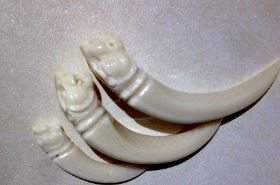
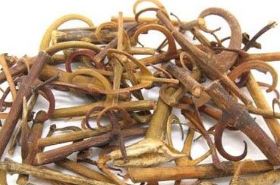
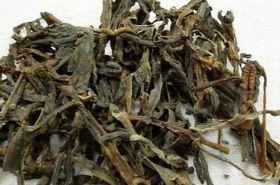
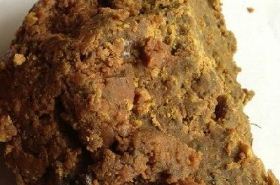
Appearance and Characteristics: Asafoetida appears as irregular chunks or a paste-like resin. The color ranges from waxy yellow to brownish-yellow. Solid pieces are lightweight and waxy, with slightly porous fracture surfaces. Fresh cuts look lighter in color but gradually darken when exposed to air. The paste form is sticky and grayish-white. It has a strong, long-lasting garlic-like odor. The taste is pungent and spicy, producing a noticeable burning sensation when chewed.
Dosage and Preparation of Asafoetida
Dosage: 1–1.5 grams per dose. It is most commonly used in pill or powder form, and sometimes applied externally in medicinal plasters.
Preparation: The milky resin that naturally exudes from the plant is collected, air-dried in the shade, impurities are removed, and the material is chopped into small pieces.
Benefits and Traditional Uses of Asafoetida
Functions: Promotes digestion, breaks up food stagnation, disperses abdominal masses, relieves bloating, and eliminates intestinal parasites.
Indications: Traditionally used for heavy meat indigestion, blood stasis–related abdominal masses, feelings of fullness or hard lumps in the abdomen, and abdominal pain caused by intestinal parasites.
From a modern perspective, asafoetida is best known for supporting digestive function, easing gas and bloating, and helping regulate gut motility. Research suggests it may have antispasmodic and antimicrobial properties, which could explain its traditional use for abdominal discomfort (PMID: 25598640). Some studies also note its potential antioxidant and anti-inflammatory effects (PMID: 22082068). In traditional East Asian medicine texts such as the Compendium of Materia Medica, it was described as dispersing accumulations and relieving severe abdominal pain.
Contraindications
Do not use during pregnancy. It is also not recommended for individuals with weak digestion or chronic spleen–stomach deficiency (in modern terms, those who frequently experience loose stools, fatigue after eating, or poor appetite).
Safety Note: Asafoetida has a strong, irritating nature. Do not exceed the recommended dosage. Always consult a qualified healthcare professional before internal use, especially if you are pregnant, nursing, taking medication, or have a chronic gastrointestinal condition.
Traditional Herbal Combinations
1. For cholera-like symptoms with fullness, rebellious qi (upward-moving discomfort), abdominal distension, and cold extremities:
Asafoetida was historically combined with No-Fire Wood, Yang Qi Shi, Croton seed (kernel removed), and Apricot kernel (skin removed). The herbs were ground into powder, formed into cherry-sized pills, burned until smoked, then taken as powder with rice and ginger decoction until bowel movement occurred. (Source: Sheng Ji Lu)
2. For breaking up food stagnation and promoting qi movement:
Combined with alkali, hawthorn fruit, and processed Pinellia. The mixture was made into pills using asafoetida dissolved in vinegar. (Source: Zhai Xuan Fang)
Classical Commentary
According to the Compendium of Materia Medica, when prepared with roasted garlic and formed into pills, asafoetida was used for severe twisting abdominal pain.
The Tang Materia Medica recorded that it eliminates various small parasites, removes foul odors, breaks up masses, expels harmful accumulations, and resolves toxic influences.
3-Second Self-Check + 30-Second Relief Tip
If you feel heavy and bloated after eating a large meat-based meal, with noticeable gas and abdominal fullness, then your digestion may be sluggish.
Immediately: Try gentle abdominal massage clockwise for 30 seconds and sip warm ginger water to stimulate digestive movement. If symptoms persist or are severe, consult a healthcare professional before considering herbal support like asafoetida.
References
Asafoetida demonstrates potential antispasmodic and digestive-support effects. PMID: 25598640
Studies report antioxidant and anti-inflammatory properties of Ferula species. PMID: 22082068
Traditional texts describe its role in eliminating parasites and resolving abdominal masses. PMID: 26742378
Permalink: asafoetida-benefits-and-uses
For informational purposes only. Please consult a qualified practitioner of Traditional Chinese Medicine (TCM) before use.