Eating healthy on a budget shouldn't feel impossible. In the world of Traditional Chinese Medicine (TCM), diet is crucial for maintaining the balance of **Yin** and **Yang**, as well as the **harmony of Qi and Blood**. Our goal? To achieve high nutritional value with low cost.
Harness Flavor: Boost Your Immunity with Warm Foods
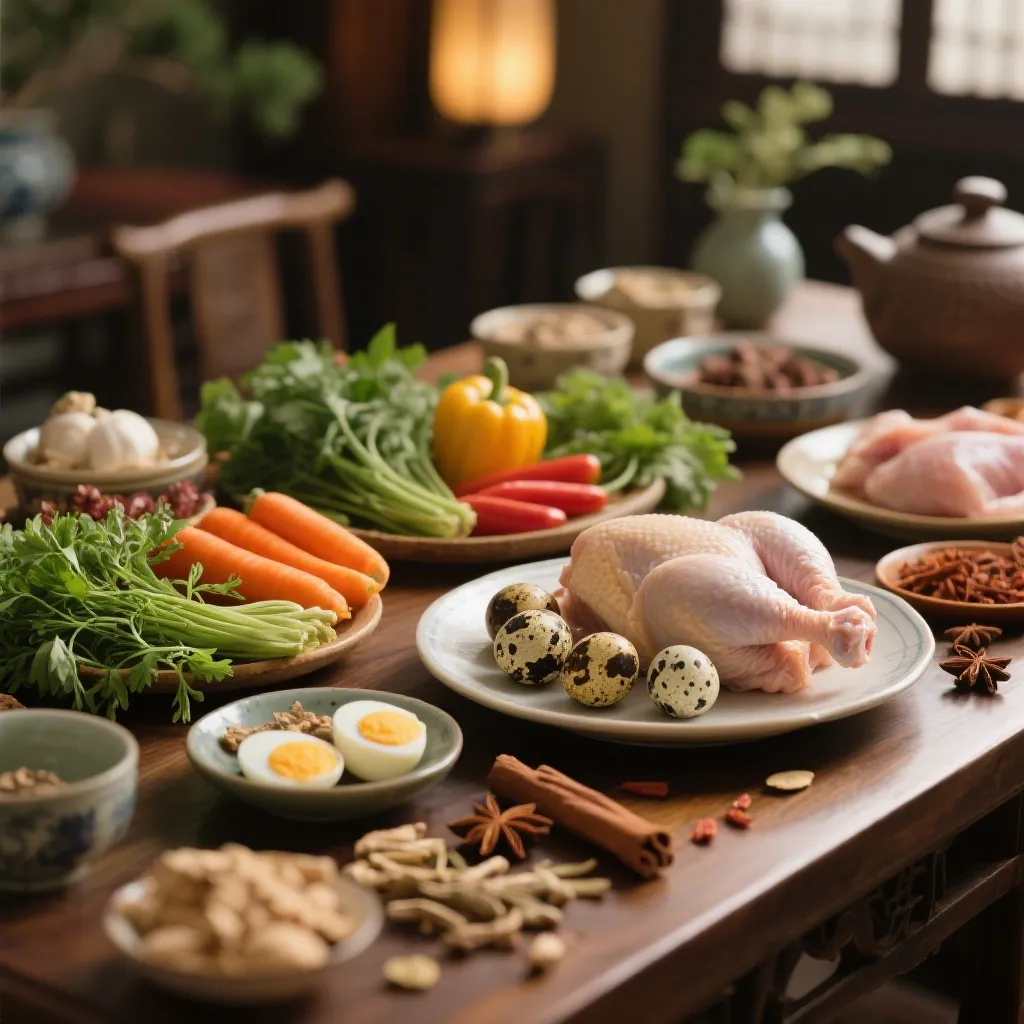
TCM emphasizes the nature of food. By choosing **warm** or **cool** foods, you can regulate your body's internal state, much like managing a thermostat. For instance, ginger and scallions warm the body and ward off cold, while mung beans and lily bulbs help clear heat and detoxify. Such foods adapt to seasonal and climate changes, enhancing **immune strength**. Dive deeper into how this works in the [Diet Therapy](/herbal-medicine/diet-therapy/).

*ALT: Traditional Chinese medicine ingredients balance health*
Prioritize Grains: Fuel Your Day with Energy
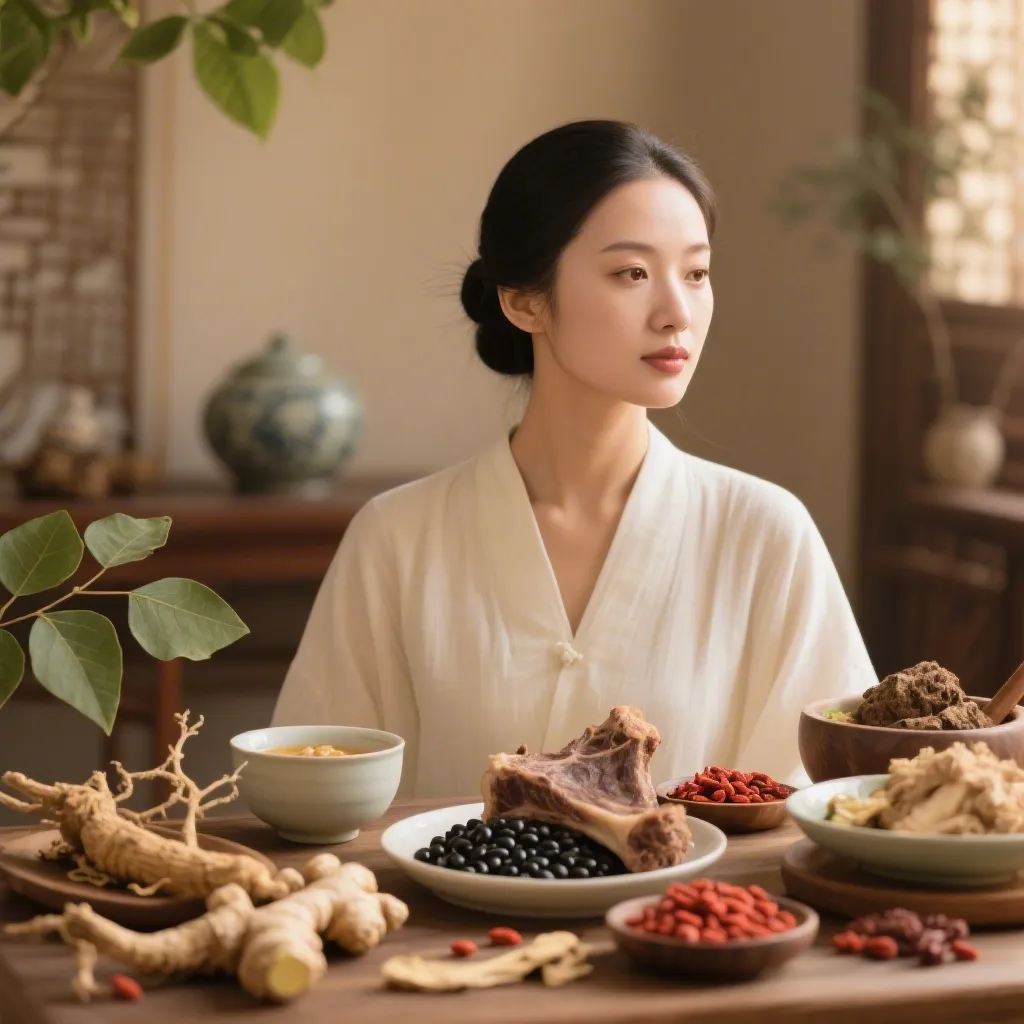
Grains are foundational in TCM. Economical and rich in **fiber**, **vitamins**, and **minerals**, grains like rice, wheat, and legumes aid digestive health and steady energy levels. Adding beans, corn, and millet not only increases nutritional density but also slows post-meal blood sugar rise. Want to learn more? Check out the [Healthy Living guide](/healthy-living/).

*ALT: Variety of grains for a balanced diet*
Choose Wisely: Diversify with Seasonal and Local Produce
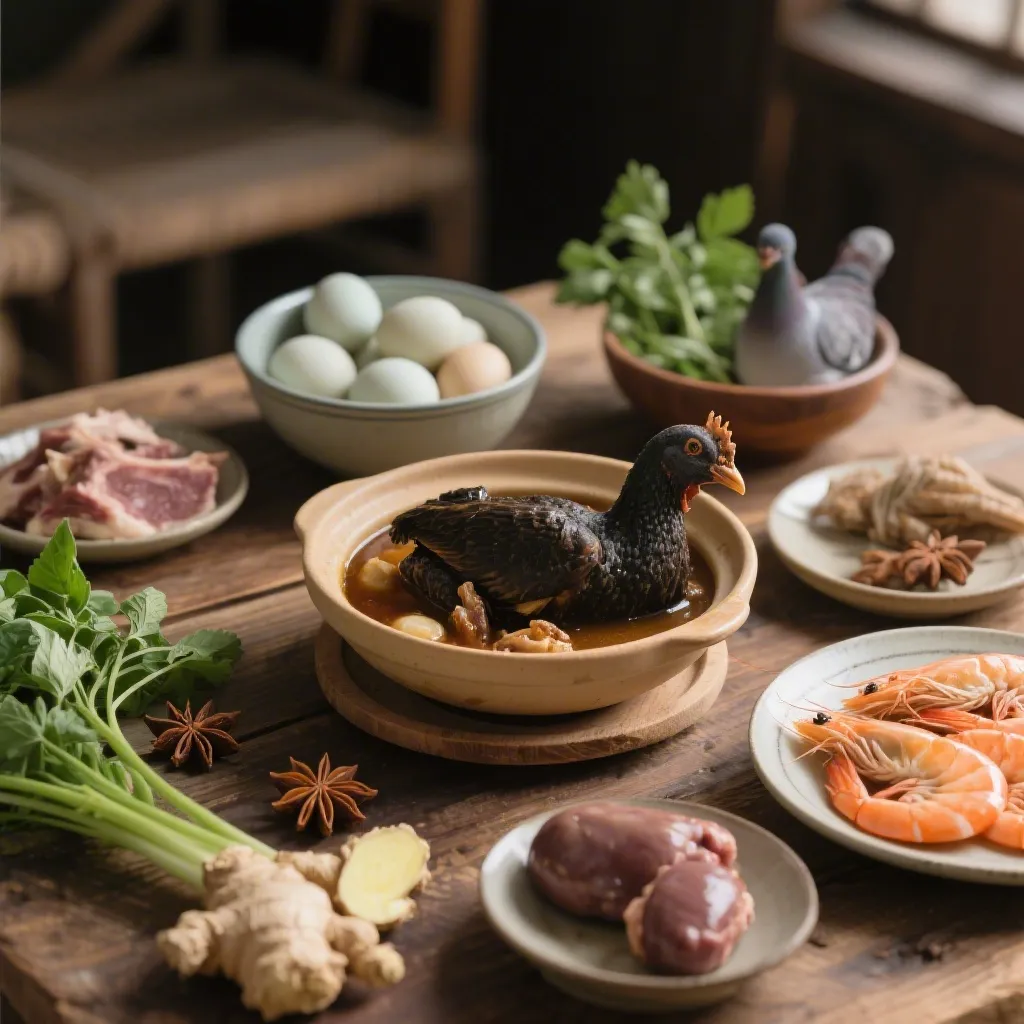
Opting for diverse and local ingredients reduces cost and boosts freshness. Seasonal **fruits and vegetables** are often cheaper and rich in nutrients. Including foods with both **medicinal and culinary properties** like goji berries or red dates can enhance flavor and nutrition. Such diverse choices can be found in the [Herbal Encyclopedia](/herbal-medicine/herbal-encyclopedia/).
The 'Low-Cost Healthy Eating' plan is guided by TCM principles, combining ingredients smartly to achieve balanced nutrition on a budget. It's not only applicable in China but can be emulated worldwide by selecting suitable local produce. This approach fosters **health** and **well-being** for diverse populations.
References
- "The Importance of Dietary Balance," [PubMed](https://pubmed.ncbi.nlm.nih.gov/).
- "Nutritional Value of Grains," [PubMed](https://pubmed.ncbi.nlm.nih.gov/).
- "Local Produce Benefits," [PubMed](https://pubmed.ncbi.nlm.nih.gov/).
If you're feeling sluggish after meals, immediately add warm spices like ginger to your diet. For a quick energy boost, swap processed snacks with nuts or fresh fruit. These easy adjustments can jumpstart your path to affordable, healthy living!

![[Urological Concerns] When Frequent Sex Leads to Kidney Deficiency: Dietary Remedies](https://img.naturalhealingchina.com/uploads/blog/content/202602/bcf1c492dfc1cbeb8370578164a0570f.webp)