Wear It Right: Prevent Scoliosis with Proper Backpack Use
Your spine health is more important than you think, especially in daily habits like carrying a backpack. Improper posture while using a backpack can lead to issues such as scoliosis—a condition where the spine curves abnormally, often due to uneven weight distribution or poor posture over time.
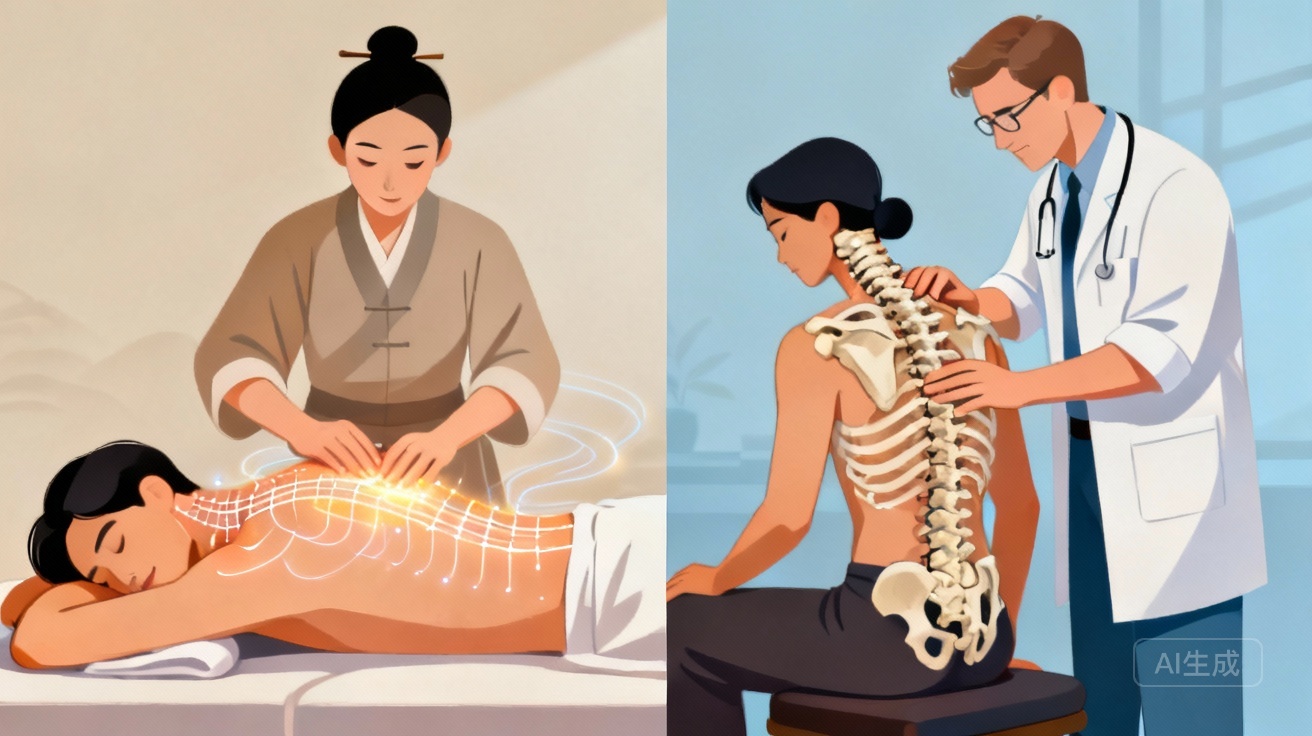
From a Traditional Chinese Medicine (TCM) perspective, maintaining a balanced posture aligns with the concept of "yin-yang balance," ensuring smooth energy (or Qi) flow along vital meridians like the Du Mai and Bladder Meridian.
To better protect your spine, let's explore practical strategies for wearing your backpack correctly and maintaining spinal health.
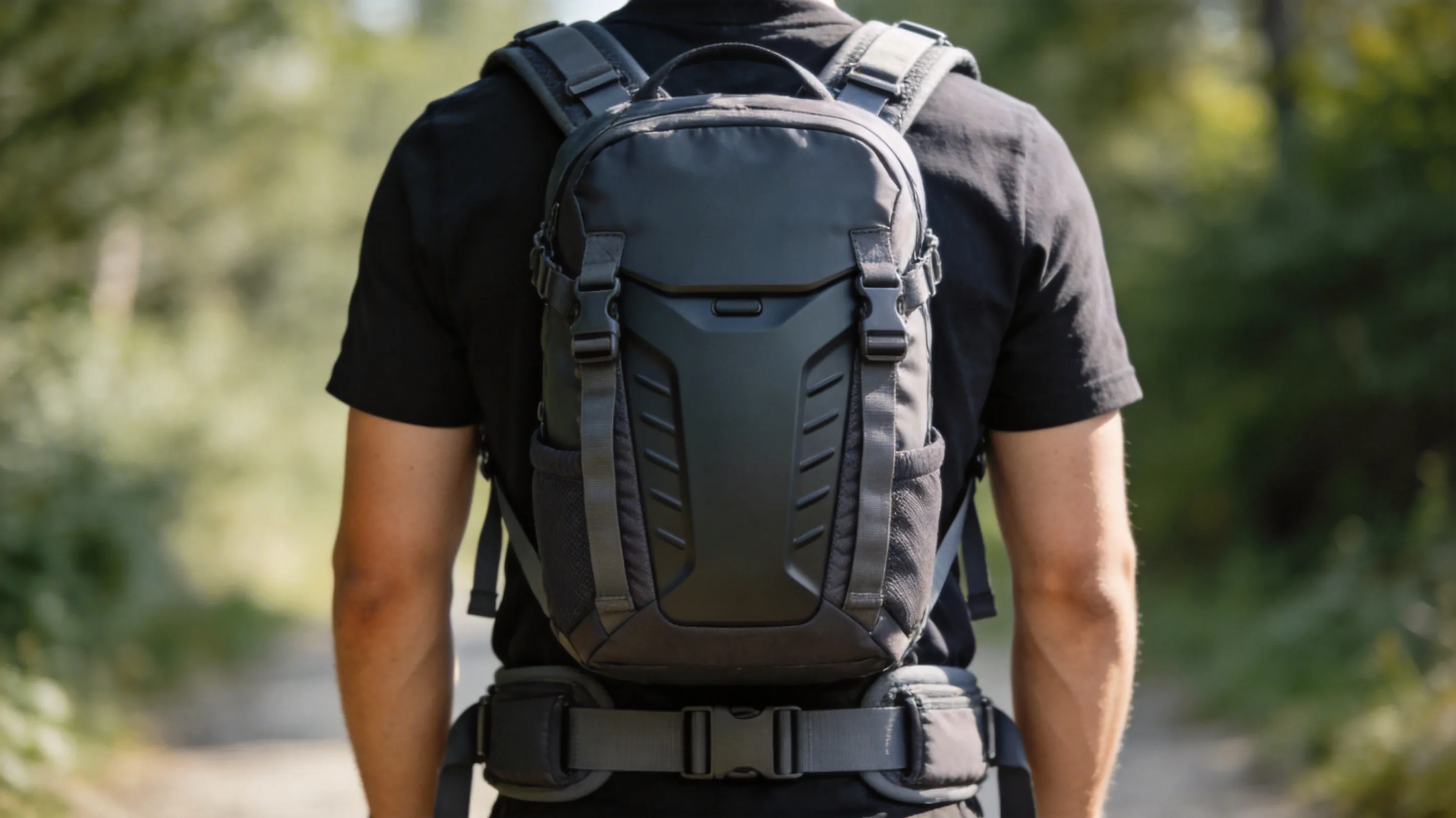
Distribute the Weight: Balance Both Shoulders
Using a double-strap backpack ensures even weight distribution across both shoulders. Carrying a bag on one side often overworks muscles on that side, potentially affecting the spine's natural curve.
This imbalance may also restrict Qi flow in the back, like a traffic jam disrupting smooth energy movement. Choose backpacks with padded straps for better support and comfort.
If you're new to the concept of Qi and its role in overall health, check out our beginner's guide here: [Qi & Blood → /tcm-basics/qi-blood/].
Keep It Light: Avoid Overloading Your Spine
A backpack that's too heavy places unnecessary strain on your spine and back muscles. Experts recommend keeping the backpack's weight under 10-15% of your body weight.
For example, if you weigh 150 pounds, your backpack should not exceed 15-22 pounds. Regularly declutter your bag and pack only essentials to avoid excess pressure on your spine.
Overloading not only risks scoliosis but can also lead to other back problems. Learn more about maintaining healthy muscles and posture here: [Healthy Living → /healthy-living/].
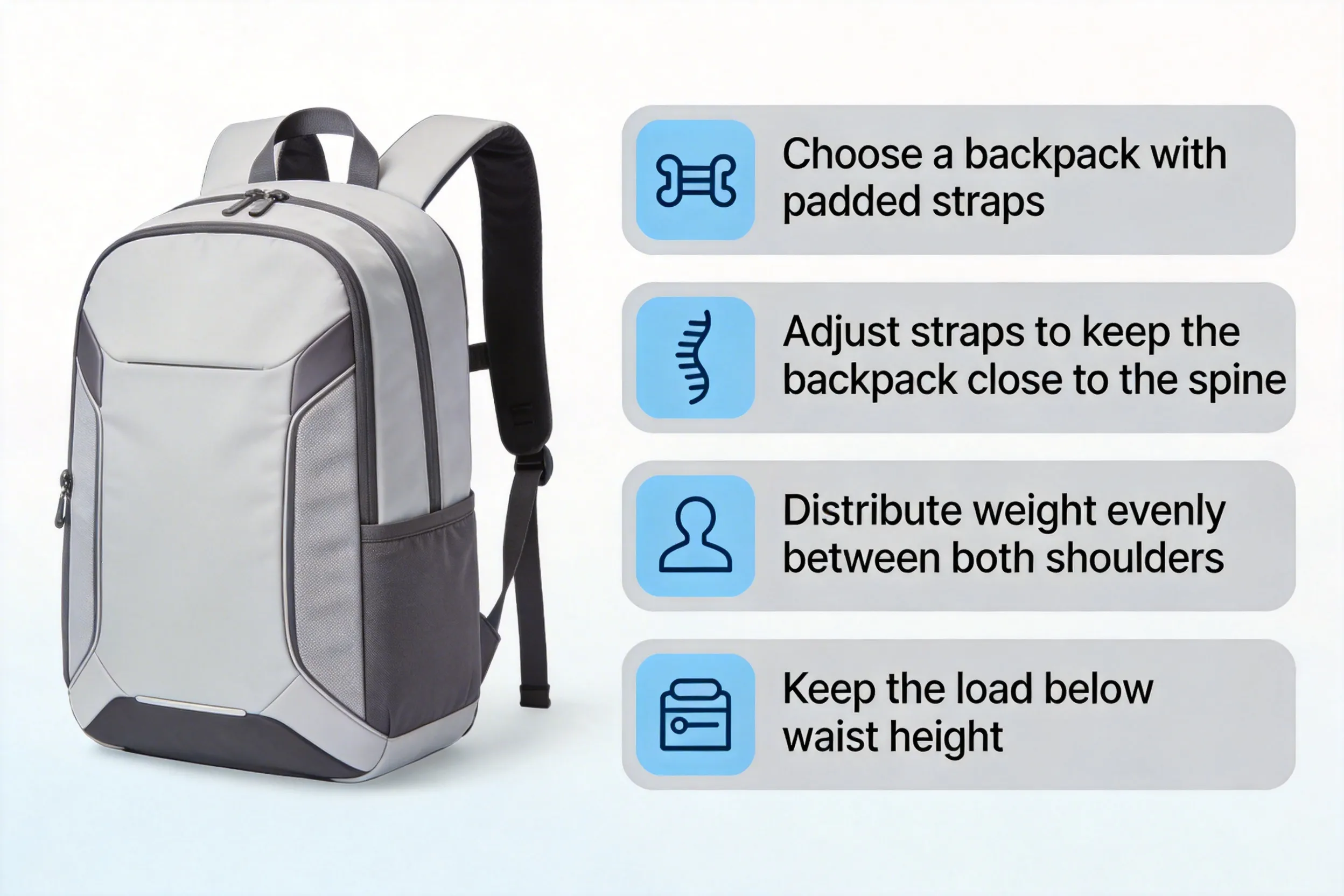
Adjust the Straps: Keep Your Backpack Close
For proper support, adjust the straps so your backpack sits snugly against your back. A low-hanging bag increases pressure on your lower back by pulling your spine out of alignment.
Make sure the bottom of your backpack rests no lower than your waistline.
This simple adjustment reduces spinal strain and supports better posture throughout the day.
Take Breaks: Prevent Long-Term Strain
Carrying a backpack for extended periods can lead to muscle fatigue and increased spinal stress. If you must carry a heavy bag, take regular breaks to rest your shoulders and back.
For instance, set your bag down after every 30 minutes of continuous use.
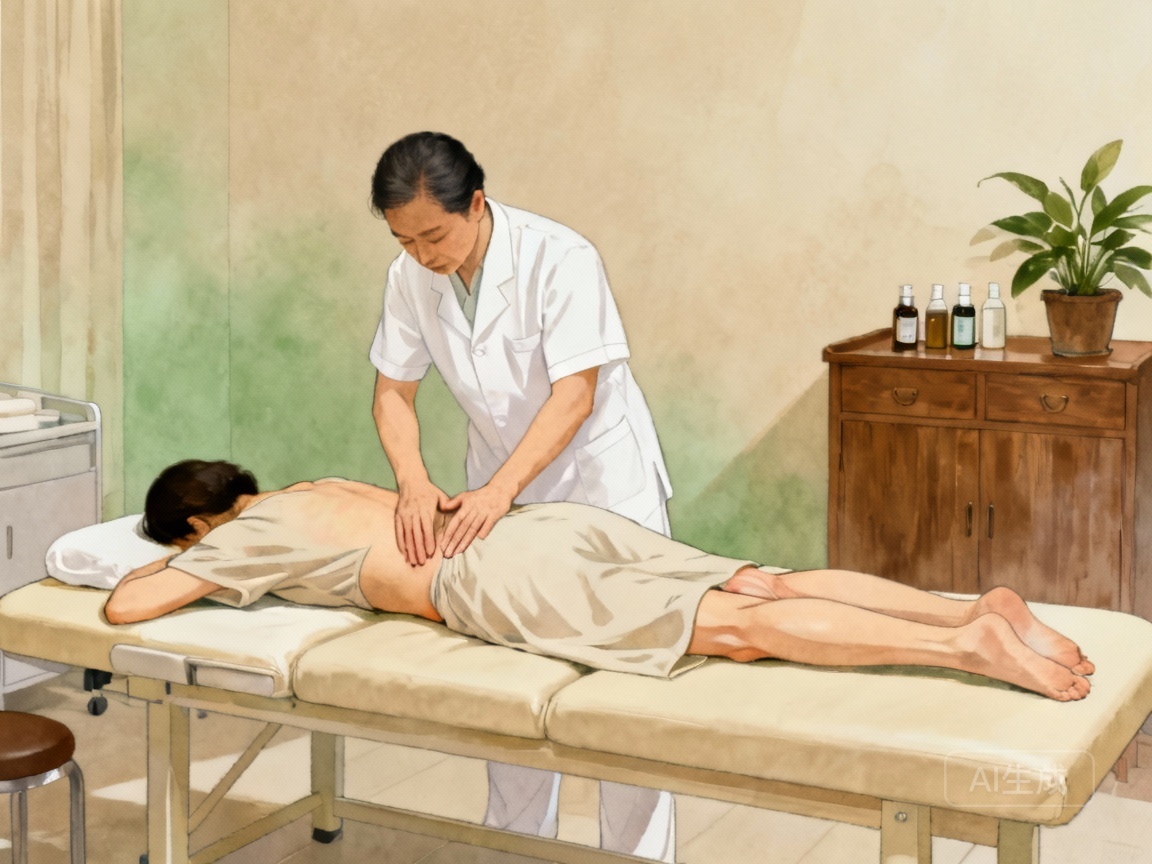
Incorporating small TCM-inspired practices, such as massaging the Bladder Meridian along your back, can further promote circulation and relieve tension. Learn how to do this here: [Tuina Massage → /tcm-basics/tuina-massage/].
Boost Qi Flow: Why Posture Matters in TCM
Correct backpack posture isn't just about avoiding scoliosis—it also supports better Qi flow throughout your body. TCM emphasizes the connection between a healthy spine and overall well-being.
A blocked meridian can affect organ function and immune health. By keeping your spine aligned, you allow energy to circulate freely and prevent cold or dampness from settling in.
References:
1. Maintaining proper posture significantly reduces scoliosis risk (PubMed).
2. Correct backpack use can prevent lower back strain (PubMed).
3. TCM views spinal alignment as vital for Qi balance (Huangdi Neijing).
Simple Self-Test & Easy Fixes for Better Posture
If your shoulders feel uneven after carrying your backpack → Adjust strap length immediately.
If your lower back aches after a day of carrying → Reduce weight and take frequent breaks.
If your bag keeps slipping off one side → Switch to a double-strap or ergonomic design.
Remember, small changes make a big difference. Start today and share these tips with friends or family who carry heavy bags regularly!