Feeling down during the darker months? Seasonal Affective Disorder (SAD) might be the cause. In Traditional Chinese Medicine (TCM), this condition is tackled by harmonizing with nature. Here’s how to feel better at home.
Step Outside: Absorb Sunlight to Uplift Your Mood
Aligning with nature is crucial for managing SAD. TCM suggests that fall and winter have more **yin energy**, meaning they can cause low spirits. Spending time outdoors and increasing your light exposure, even using full-spectrum lamps, can boost your mood. According to the Yin & Yang theory, this balance is essential.
Eat Wisely: Foods to Nurture Your Body
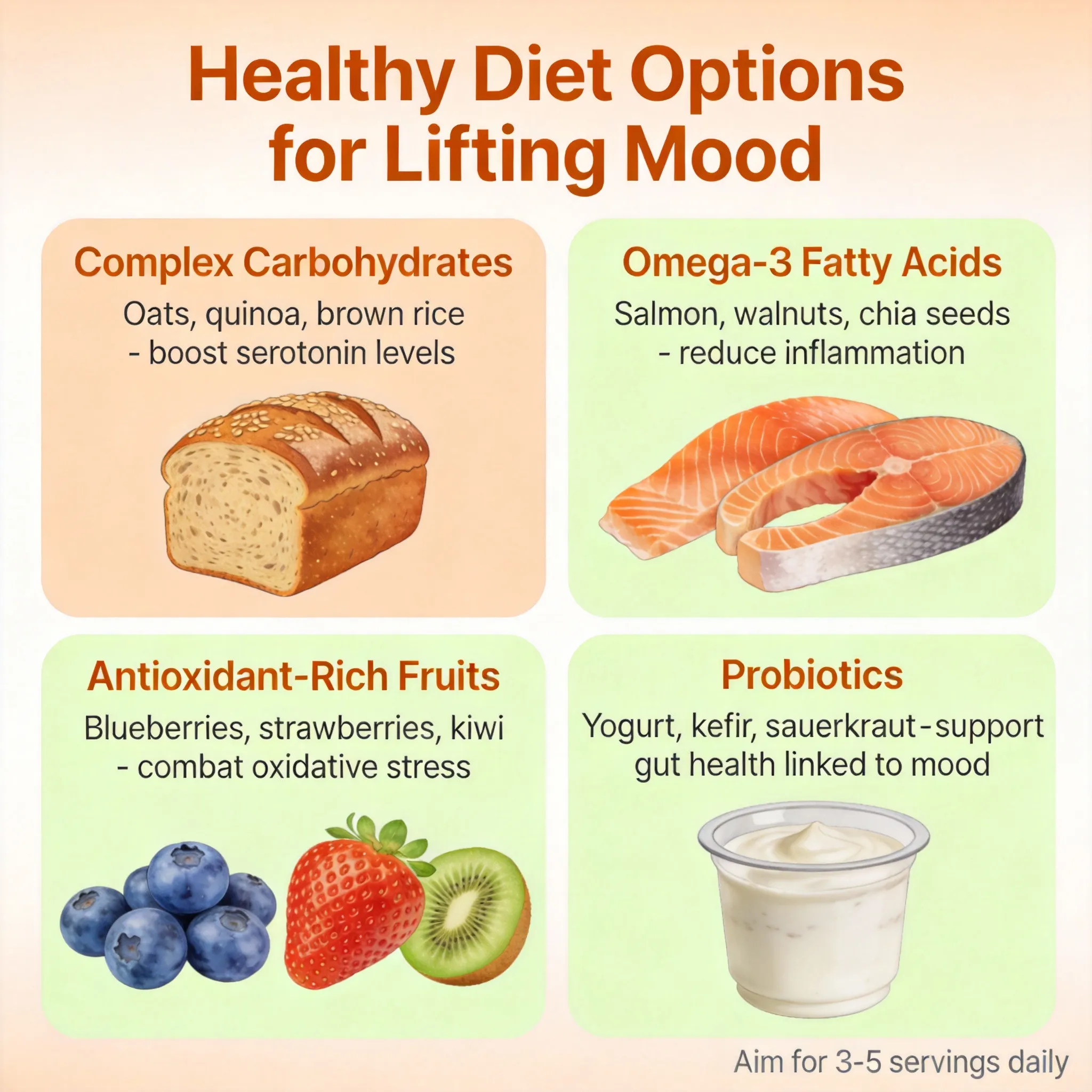
In TCM, diet is key for emotional wellness. Fall corresponds to metal, affecting the lungs, while winter relates to water, impacting the kidneys. To boost your defenses and mood, eat foods that nourish like **pear, white radish**, and **silver ear mushroom** in the fall. In winter, try warming options like lamb, walnuts, and red dates. Dive into more recommendations at our Diet Therapy section.
Pinpoint Relief: Acupuncture and Massage for Balance
Acupuncture and **massage** can be your go-to solutions. Stimulating points like Nei Guan and Shen Men helps calm your emotions, balancing energy like qi, which is "a traffic jam in your body". Practicing Tai Chi or yoga complements these therapies. Discover more about the benefits in our Qi GongTai Chi guide.
Rest Up: Sleeping Habits That Match Your Natural Rhythm
Sticking to a good sleep schedule is a TCM staple. Go to bed early and rise with the sun to support mood regulation. Your body's **yang energy** flourishes when you sync with natural rhythms, enhancing emotional health.
Applying these TCM strategies can help you combat SAD by making simple lifestyle, dietary, and exercise changes. It's a natural and effective way to enhance your well-being.
(Understanding SAD benefits from natural light exposure has been supported by research. PMID)
Feeling blue in the winter? Step outside for some sunlight. Feeling better might just be a walk away.