Zengbu Shengfeng Tang: Usage and Dosage
So, what exactly goes into Zengbu Shengfeng Tang and how do you use it? Let's break it down in simple terms.
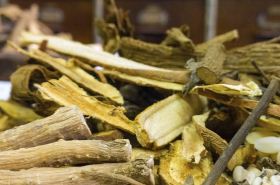
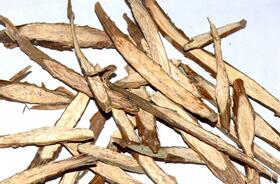
Composition: This formula typically includes:
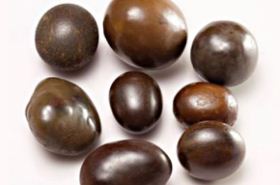
- Pinellia rhizome (prepared with ginger) – 3g
- Siler root – 3g
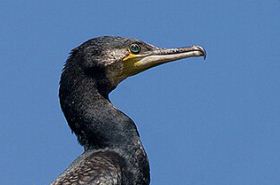
- Scorpion (wings and feet removed) – 6g
- Prepared Arisaema rhizome with bile – 1.5g
- Honey-fried Licorice root – 1.5g
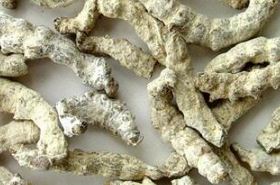
- Unprepared Typhonium rhizome – 1.5g
- Unprepared Sichuan Aconite root – 1.5g
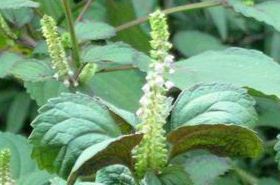
- Costus root (not processed with fire) – 1.5g
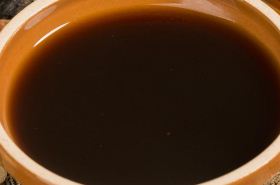
Usage: The traditional way to prepare this formula is to decoct the herbs with water and then take the resulting liquid orally. This means you simmer the herbs in water for a certain period, strain the liquid, and drink it.
A Crucial Safety Note: It is absolutely critical to understand that several ingredients in this formula, particularly Unprepared Sichuan Aconite Root (Sheng Chuan Wu) and Unprepared Typhonium Rhizome (Sheng Bai Fu), are highly potent and potentially toxic if not properly processed, prepared, and administered under the strict supervision of a qualified Traditional Chinese Medicine (TCM) practitioner. Self-medication with these herbs can be dangerous and is strongly advised against. Always adhere strictly to prescribed dosages and preparation methods from a licensed professional to ensure safety and efficacy. The proper preparation of aconite, for instance, is vital to mitigate its toxicity while harnessing its therapeutic effects, a process well-documented in TCM practices (A review of the safety of aconite roots used in traditional Chinese medicine. PMID: 28249033). Similarly, Pinellia rhizome, while common, also requires proper preparation to reduce potential irritation and optimize its phlegm-resolving properties (Pinellia Ternata: A Review of Its Traditional Uses, Phytochemistry, Pharmacology, and Toxicology. PMID: 27958936).
Zengbu Shengfeng Tang: Actions and Indications
So, what exactly is Zengbu Shengfeng Tang used for? This formula is primarily aimed at addressing specific symptoms related to stroke recovery, especially when there's an internal accumulation that needs to be cleared.
Indications: This formula is indicated for stroke-induced facial paralysis, often presenting as a deviation of the mouth and eye, especially when this condition is accompanied by profuse phlegm accumulation. In TCM, "phlegm" isn't just mucus; it refers to a broader pathological product that can obstruct channels and impair function, including neurological functions. Addressing conditions like acute ischemic stroke with Chinese herbal medicine is a recognized area of research (Effectiveness and safety of a Chinese herbal medicine for the treatment of acute ischemic stroke: A systematic review and meta-analysis of randomized controlled trials. PMID: 35327263).
Quick 3-Second Check:
Do you experience any persistent facial asymmetry or weakness post-stroke, especially around your mouth and eye? And do you often feel congested with thick, difficult-to-clear phlegm?
Immediate 30-Second Tip:
If you answered yes, while waiting for a professional consultation, gently massage the affected areas of your face upwards and outwards using your fingertips. Also, take a few slow, deep breaths, focusing on exhaling fully, to help clear your airways and relax your muscles. Remember, this isn't a cure, but it can offer temporary relief and promote circulation while you consult a qualified practitioner.
References
Safety of aconite roots in TCM: PMID: 28249033
Review of Pinellia Ternata: PMID: 27958936
TCM for acute ischemic stroke: PMID: 35327263
For informational purposes only. Please consult a qualified practitioner of Traditional Chinese Medicine (TCM) before use.