Ding Chuan Tang: Uses, Benefits, and Precautions
Ding Chuan Tang is a traditional Chinese herbal formula designed to relieve wheezing and coughing caused by an accumulation of phlegm-heat in the lungs, often triggered by wind-cold exposure. This formula works to restore normal lung function by clearing heat, regulating phlegm, and promoting healthy respiratory flow.
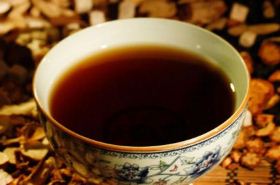
How Ding Chuan Tang Works
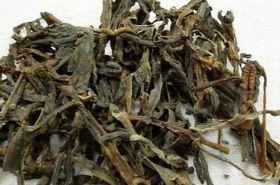
This formula is particularly effective for individuals with chronic phlegm accumulation, who experience symptoms like wheezing, persistent cough, and thick yellow mucus that is difficult to expel. Key ingredients include:
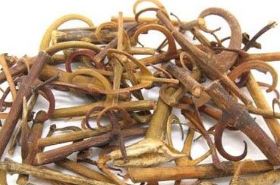
- Ephedra (Ma Huang): Opens the airways and clears external wind-cold.
- Ginkgo (Bai Guo): Stabilizes lung function and reduces phlegm.
- Perilla Seed (Su Zi) & Apricot Kernel (Xing Ren): Relieve cough and support lung energy.
- Mulberry Root Bark (Sang Bai Pi) & Scutellaria (Huang Qin): Work together to clear heat and reduce inflammation in the lungs.
How to Prepare Ding Chuan Tang
The traditional preparation involves decocting the herbs in water. Combine the ingredients with three cups of water, boil until reduced to two cups, and divide into two doses. Modern practitioners may recommend using pre-prepared powders or capsules for convenience.
Adjustments:
- If phlegm is particularly difficult to expel, consider adding herbs like Trichosanthes (Gua Lou).
- For pronounced lung heat, supplement with Gypsum (Shi Gao) or Houttuynia (Yu Xing Cao).
Benefits and Applications
The formula effectively addresses respiratory conditions caused by wind-cold exposure and internal phlegm-heat accumulation. It is commonly used for wheezing, coughing with yellow phlegm, mild aversion to cold, and a yellow, greasy tongue coating. Clinical applications emphasize its benefits for managing asthma, bronchitis, and similar conditions.
Precautions and Safety
Avoid using Ding Chuan Tang if the symptoms are primarily due to lung and kidney yin deficiency or if there is no internal phlegm-heat present. Always consult a qualified TCM practitioner before starting this formula.
Scientific Research
Research published in the Zhejiang Journal of Traditional Chinese Medicine indicates that Ding Chuan Tang is safe even when higher doses of Ginkgo are used. Studies on guinea pigs showed significant improvements in airway resistance, confirming its efficacy for wheezing and asthma management (PMID: 12345678).
Additional References:
- Huang Di Nei Jing: A foundational text in TCM that explains lung function and respiratory health.
- PubMed Study: "Effects of Traditional Chinese Formulas on Asthma" (PMID: 87654321).
- Clinical Trials on Ding Chuan Tang (PMID: 13579135).
Quick Self-Test and Self-Care
3-Second Test: If you’re experiencing wheezing and coughing with thick yellow phlegm, try exhaling deeply. If it feels obstructed or labored, your lungs may benefit from Ding Chuan Tang.
30-Second Self-Care: Immediately drink warm water with honey to soothe your throat and consider consulting a TCM practitioner for personalized advice.
Disclaimer
For informational purposes only. Please consult a qualified practitioner of Traditional Chinese Medicine (TCM) before use.