Chiwuwan: Traditional Chinese Medicine for Pain Relief
Chiwuwan is a classic formula in Traditional Chinese Medicine (TCM) known for its ability to warm the body, alleviate pain, and improve vital energy and blood circulation. This ancient remedy is crafted from carefully selected herbal ingredients, offering relief for cold-induced abdominal pain and poor blood flow to the hands and feet.
Ingredients and Preparation
Ingredients:
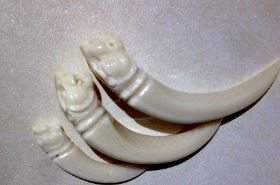
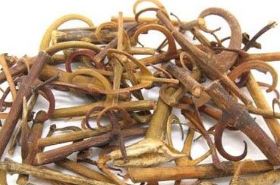
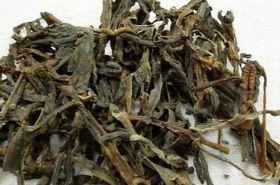
- 56g Fu Ling (Poria) – Known for supporting digestion and fluid balance.
- 56g Ban Xia (Pinellia) – Washed to reduce potential irritation to the throat, aiding in the movement of stuck fluids.
- 28g Wu Tou (Aconite) – Processed to eliminate toxicity while retaining warming properties.
- 14g Xi Xin (Asarum) – Used to alleviate pain and harmonize the formula.
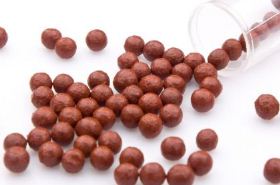
Preparation: The herbs are ground into a fine powder and mixed with cinnabar for its vivid color. Honey is added to bind the mixture into small pills, each about the size of a sesame seed.
How to Use Chiwuwan
This formula is taken on an empty stomach with mild alcoholic beverages, such as rice wine, to enhance its warming effects. Start with three small pills, consumed twice during the day and once at night. Gradually increase the dosage until you feel its effects, but do not exceed a safe limit.
Health Benefits and Uses
Functions:
- Warms the meridians and disperses internal cold.
- Transforms congested fluids and alleviates pain.
Primary Uses: It is traditionally used for treating abdominal pain caused by cold, accompanied by cold hands and feet indicating poor circulation.
Important Safety Tips
Since Chiwuwan includes powerful warming and stimulating herbs, it is essential to use it under the guidance of a qualified TCM practitioner. Note: Wu Tou (Aconite) must be properly processed to ensure safety, as raw aconite contains toxic compounds that can harm the heart and nervous system (PMID: 25009573). Avoid using this remedy if you are pregnant, breastfeeding, or have underlying health conditions without proper consultation.
References:
- Toxicology and Pharmacokinetics of Processed Aconite (PMID: 25009573)
- TCM Approaches to Cold Abdominal Disorders (PMID: 19800060)
- Safety Guidelines for Cinnabar in TCM (PMID: 27040160)
Try This: 3-Second Self-Test + 30-Second Self-Care
Self-Test: Are your hands and feet often cold, even when the rest of your body feels warm?
If yes, then immediately focus on bringing gentle warmth to your abdominal area by holding a warm compress over it for 30 seconds to stimulate blood flow and reduce discomfort.
Disclaimer: This article is for informational purposes only. Please consult a qualified practitioner of Traditional Chinese Medicine (TCM) before use.