Demystify Potential Pitfalls: What to Expect from Cupping Therapy Side Effects
Understanding Cupping Therapy Side Effects is crucial before trying this ancient practice. Primarily, you might notice localized skin reactions where the cups were placed. Some individuals may also experience a few mild systemic responses. It's important to be informed and prepared for these possibilities.Prepare for Clarity: Spot the Signs Early
You might notice red marks, bruises, or circular blood spots on your skin. These occur when tiny capillaries burst or blood pools in the treated area, like a gentle "traffic jam" in your body's circulation. Typically, these marks fade naturally within several days to a few weeks. Additionally, you could experience some pain, tenderness, or a feeling of skin tightness right after the session. Learn more about the basics of cupping therapy here.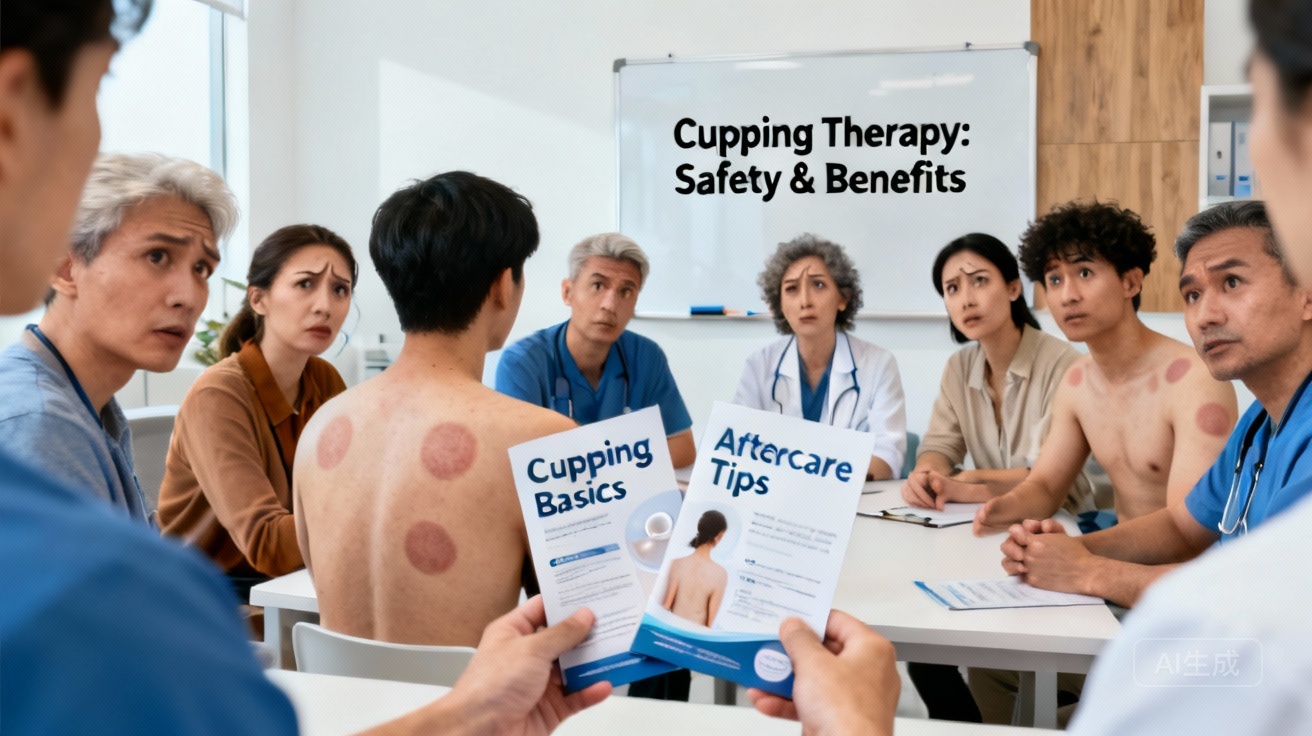
Address Skin Concerns: Ensure a Smooth Recovery
Applying too much suction or leaving the cups on too long can certainly cause blisters. This excessive pressure might also lead to skin breaks, scarring, or changes in pigmentation. Improper fire cupping techniques, if not performed correctly, could result in painful burns. If sanitation is poor or performed on already broken skin, infection risks significantly increase. A few people are allergic to the cup materials or related topical applications, showing redness, itching, or a rash.Cautiously Proceed: Who Should Thoughtfully Avoid Cupping Therapy
Know Your Limits: Stay Safe with Smart Choices
Individuals currently taking anticoagulant medications face a higher bleeding risk. Those with abnormal clotting function also encounter increased dangers during cupping. Pregnant women should use cupping therapy cautiously, or even avoid it entirely, to ensure safety. Patients with severe heart or lung conditions must be especially careful. People with existing skin lesions or certain skin conditions should not undergo this treatment.Prioritize Wellness: Prevent Unwanted Outcomes
Proper prevention involves standardized procedures and strict sanitization measures every single time. Select acupuncture points carefully, always avoiding broken skin or vital organ areas. Control the suction intensity and duration of the treatment to prevent adverse reactions. If pus forms, pain persists, or an obvious infection appears, seek immediate medical care promptly. Any widespread discomfort also warrants prompt professional attention. Understanding adverse reactions to cupping, cupping dangers, cupping risks, post-cupping issues, cupping complications, unwanted cupping outcomes, cupping cautions, and potential cupping problems helps ensure a safe experience. Explore more tips for healthy living.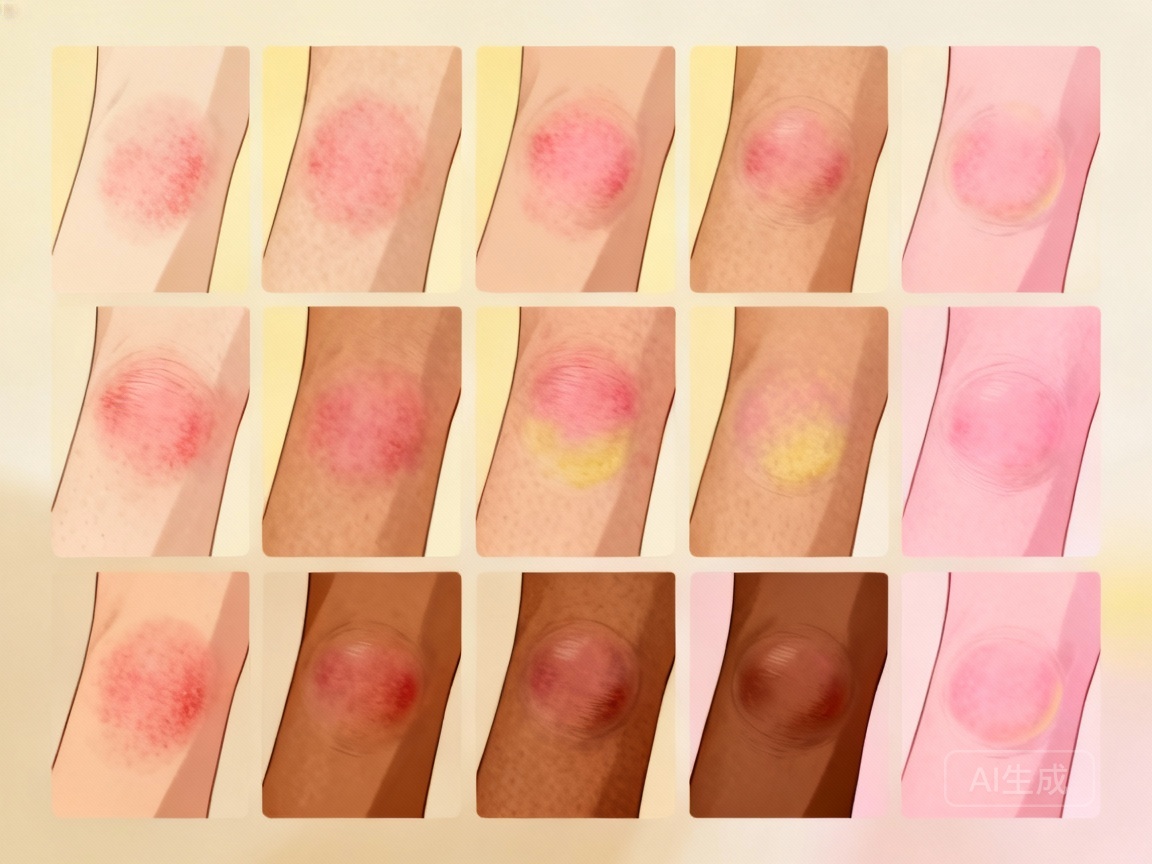
Enhance Healing: Understand Your Body's Response
The typical purplish marks from cupping are believed to indicate a form of blood stagnation, or "Qi and Blood" blockages. This is similar to a minor bruise and usually resolves quickly. However, excessive bruising or discomfort signals a need for adjustment in technique. For deeper insights into your body's energy, read about Qi & Blood.References:
(Research highlights common adverse events with cupping therapy, mostly mild and transient local reactions. PMID: 29895068)
(The Huangdi Neijing (Yellow Emperor's Classic of Internal Medicine) advises careful selection of points and appropriate technique to prevent skin damage. Huangdi Neijing)
(Proper sterilization and technique are paramount to avoid infectious complications in traditional practices like cupping. PMID: 27909334)
Quick Check & Rescue: Your 30-Second Cupping Safety Guide
Feeling uneasy after your cupping session? Here’s a super quick self-check and immediate action plan!Self-Test (3 seconds): * Touch Test: Gently press around the cupped area. Is it tender, hot, or excessively painful? * Visual Check: Look closely. Do you see any blisters larger than a pea, open sores, or spreading redness with pus?
Self-Rescue (30 seconds): * If you see small blisters (pea-sized or smaller) with no pus: Immediately apply a clean, dry dressing. Avoid popping them. Keep the area clean and let them heal naturally. * If you experience persistent, sharp pain or extreme tenderness: Immediately apply a cold compress to soothe the area. Reduce physical activity and monitor for worsening symptoms. * If you notice large blisters, open sores, pus, or signs of spreading infection (e.g., fever, chills): Immediately stop any self-treatment. Seek professional medical attention from a doctor or urgent care center without delay.
Stay informed, stay safe, and enjoy the benefits of cupping therapy!
Before your next session, always discuss any concerns about Cupping Therapy Side Effects with your practitioner.
Medical Disclaimer:This article is for educational use only and is not a substitute for professional medical advice.