Demystifying Ancient Therapies: Exploring Cupping vs Gua Sha Differences
Traditional Chinese Medicine (TCM) offers powerful external therapies.
Cupping vs Gua Sha are two popular methods. They aim to restore balance and relieve discomfort. Both involve specialized tools and unique techniques. However, their approaches and benefits differ significantly. Understanding these distinctions helps you choose wisely. This guide will clarify their unique applications.
Uncover the Mechanics: How Cupping Works Its Magic
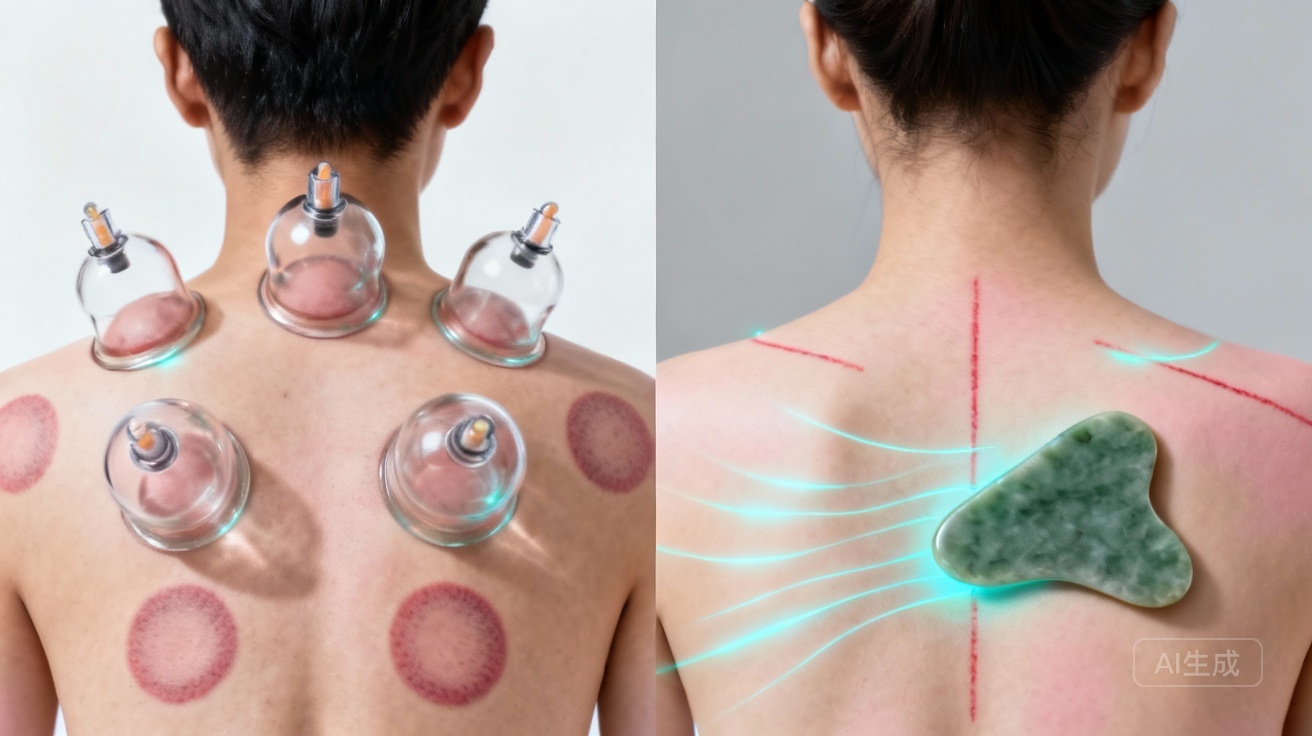
Cupping therapy utilizes cups, either glass or plastic. These cups create a vacuum on your skin. This suction gently pulls the skin and superficial muscle layer. It encourages blood flow to the treated area. This process helps to release deep-seated tension. The negative pressure aims to draw out stagnant blood. It also promotes the circulation of vital energy. This method can feel like a deep tissue massage. Studies show cupping can significantly reduce pain intensity. (PMID 32170889)
Boost Your Circulation: Experience Cupping for Deeper Release
Practitioners typically apply cups to specific acupoints. They often target the back, shoulders, and neck. The cups remain in place for 3 to 15 minutes. This creates distinctive round marks on the skin. These marks indicate increased blood flow. Cupping is great for muscle stiffness. It also addresses conditions like cold-dampness problems. This can feel like a heavy, sluggish energy in the body. Discover more about this ancient practice at Cupping Therapy.
Soothe Surface Tension: The Distinctive Approach of Gua Sha
Gua sha involves a smooth-edged tool, usually made of jade or horn. This tool gently scrapes the skin's surface. The practitioner uses directional strokes. This method stimulates circulation just beneath the skin. It causes tiny capillaries to break. This results in reddish, stripe-like marks. These marks, called "sha," are temporary. Gua sha aims to release trapped pathogens. It is often described as "scraping away illness."
Revitalize Your Skin: Unlock Gua Sha's Healing Touch
Gua sha is commonly used for early cold symptoms. It can also alleviate headaches. Many people find it effective for muscle aches. It provides relief from general fatigue. This technique feels like a vigorous massage. It brings fresh blood to the surface. This helps to promote healing. Explore the benefits of this technique at Gua Sha.
Prioritize Your Safety: Important Considerations Before Treatment
Both cupping and gua sha share some contraindications. Avoid these therapies on broken skin. They are not recommended if you have bleeding disorders. People with severe heart or brain conditions should abstain. High fever or acute inflammation are also contraindications. Always consult a professional. These treatments are powerful and effective. (PMID 29467794)
Protect Your Wellness: Post-Treatment Care for Lasting Benefits
After either therapy, keep the treated area warm. Avoid taking cold showers immediately. Strenuous exercise is not advised right away. If you experience persistent pain or fever, seek medical attention. Always ensure sterile practices are followed. The intensity of treatment should match your comfort level. Understanding your body is key. Learn more about overall wellness at
TCM Basics.
Choose Your Path: Selecting the Right Therapy for Your Needs
Deciding between
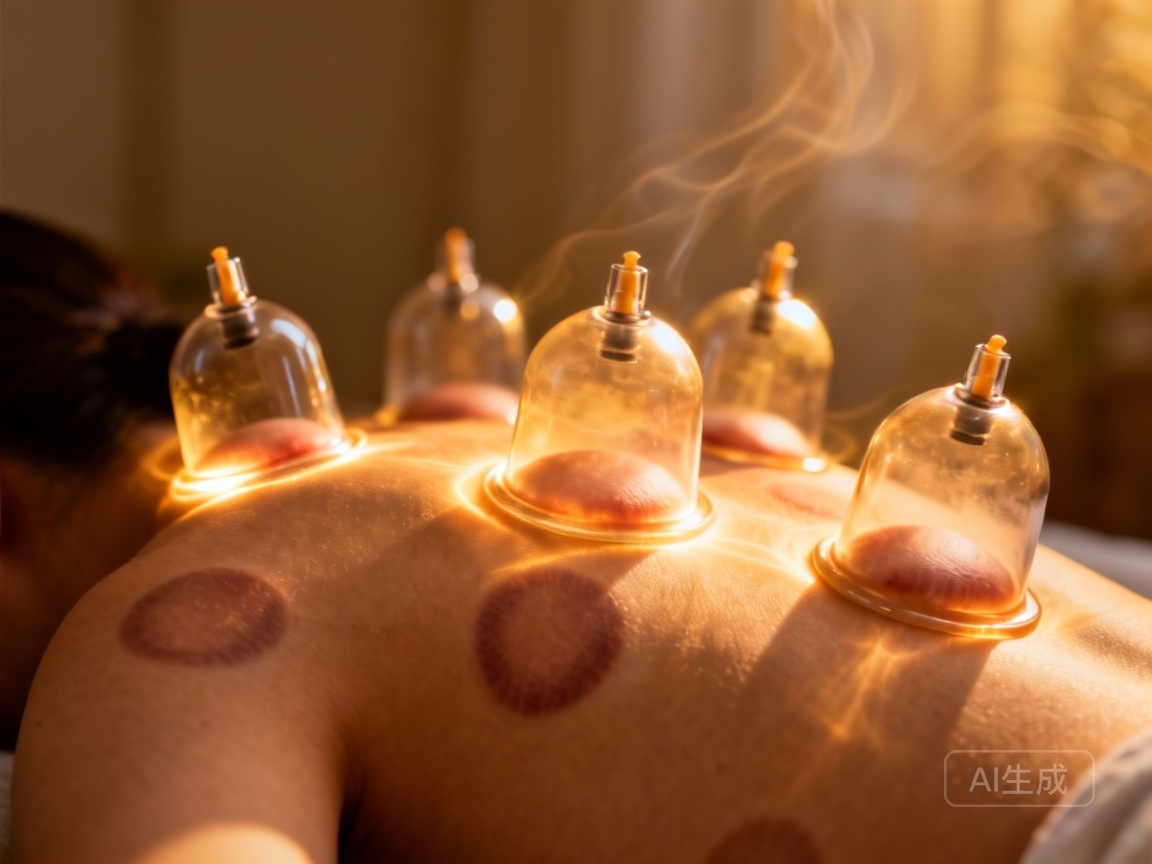
Cupping vs Gua Sha depends on your specific needs. Cupping offers a deeper, more localized effect. It's excellent for muscle knots and deeper stagnation. Gua sha provides broader, superficial relief. It's great for acute discomfort and surface tension. Both therapies aim to restore health. They support your body's natural healing process. Choose the method that best suits you.
Embrace Natural Healing: Your Journey to Better Health Starts Here
In summary, while both methods are vital to TCM. They serve distinct purposes for healing. Cupping applies suction for deep tissue release. Gua sha scrapes the surface for superficial tension. Each targets different layers of discomfort. They both encourage your body's innate healing. Understanding these techniques empowers you. It helps you make informed choices. The choice between
cupping vs gua sha depends on your specific health goals.
Amazingly Simple: Your 3-Second Self-Test & 30-Second Self-Rescue
If you feel deep, localized muscle knots or persistent stiffness → immediately consider cupping for targeted relief.
If you have widespread tension, early cold symptoms, or surface aches → immediately try gentle gua sha on affected areas.
References
(PMID 32170889)
The effects of cupping therapy on pain and quality of life in patients with chronic low back pain: A systematic review and meta-analysis.
(PMID 29467794)
Gua sha and cupping for musculoskeletal pain: A systematic review and meta-analysis of randomized controlled trials.
Medical Disclaimer:This article is for educational use only and is not a substitute for professional medical advice.