Feeling utterly drained or even experiencing a sudden faint after intimate moments? It's more common than you might think, and Traditional Chinese Medicine (TCM) has been addressing such profound energetic imbalances for centuries. When your body's vital essence and energy, known as 'Jing Qi,' suddenly deplete, it can manifest as debilitating fatigue, low libido, and in severe cases, even syncope or fainting after sexual activity. This isn't just about physical exhaustion; it's a deep-seated imbalance that TCM aims to correct by rekindling your body's innate warmth and vitality.
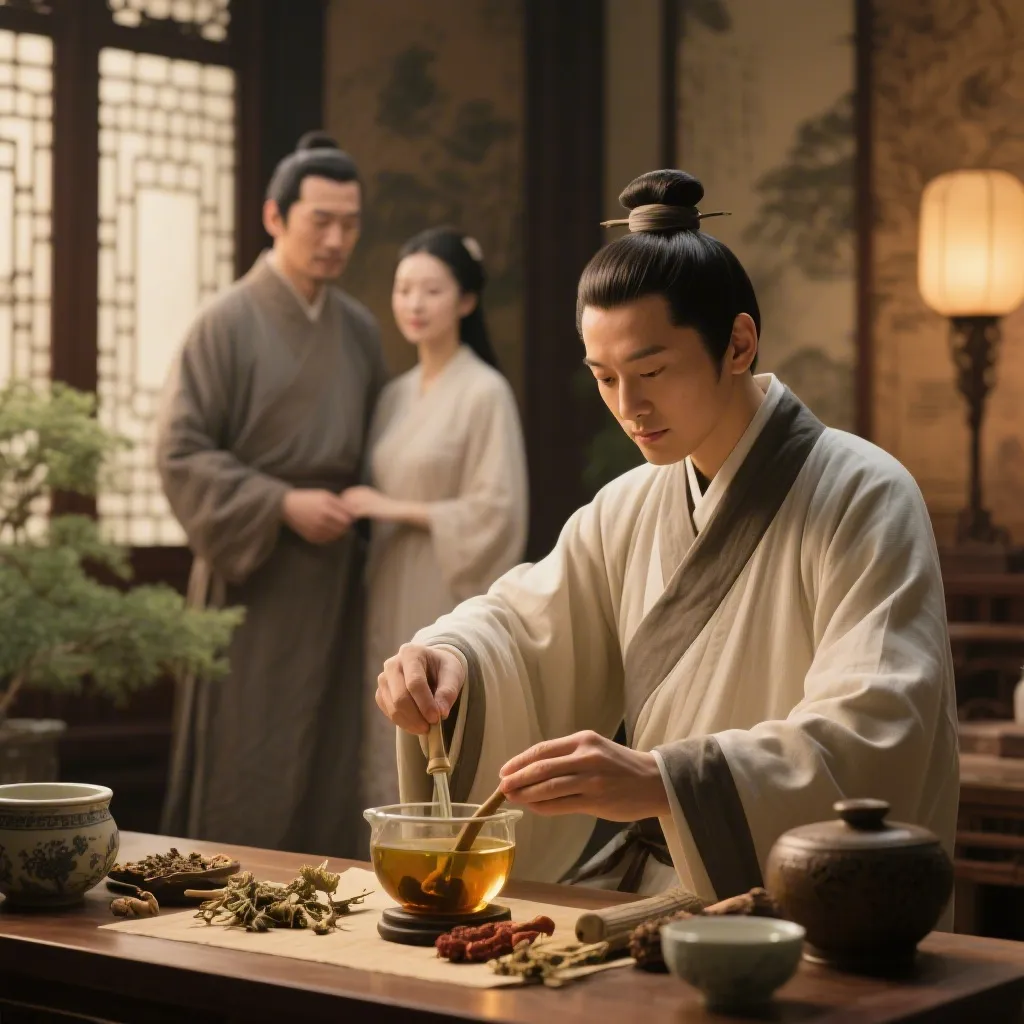
Unexpectedly Drained? Unpacking 'Jing Qi Bao Tuo'
In TCM, the diagnosis for this specific condition is often referred to as 'Jing Qi Bao Tuo,' which literally translates to a 'sudden collapse of essence and qi.' Imagine your body's core battery suddenly running out of juice, or perhaps even short-circuiting. This isn't just everyday tiredness; it's a profound depletion that can leave you feeling utterly helpless and weak, particularly when your body expends energy during intimate activities. This deep-rooted issue can manifest in a range of symptoms beyond just physical weakness, including a noticeable drop in sexual desire, a general feeling of coldness, and a pervasive lack of enthusiasm for life's pleasures. (PMID: 25432101)
Reigniting Your Inner Fire: The 'Hui Yang' Treatment Philosophy
The core treatment philosophy for such a severe depletion is to 'boost Qi and unblock Yang' (益气通阳), and 'warm Yang to rescue collapse' (温阳救逆). Think of it like a profound energy resuscitation. The goal isn't just to patch things up, but to fundamentally restore your body's core warmth and vital energy, especially the 'Yang' energy, which is responsible for warmth, activity, and metabolic functions. By warming the Yang, we aim to counteract the coldness and lack of vitality, pulling you back from the brink of energetic collapse and restoring your body's natural balance and zest for life.
The Amazing 'Hui Yang Tang' Formula: What's Inside?
The formula prescribed for this condition is called 'Hui Yang Tang,' which aptly translates to 'Restore Yang Decoction.' This isn't just a random mix of herbs; it's a carefully balanced prescription designed to powerfully replenish your vital energy and warm your core. Each ingredient plays a crucial role in synergistically bringing your body back to a state of robust health and energetic equilibrium.
Powerful Players and Their Purpose
This specific 'Hui Yang Tang' formula is composed of five potent herbs, each contributing to the overall goal of restoring your vital energy and warmth:
- Processed Aconite Root (Zhi Fu Pian): (9 grams) This is a powerhouse herb in TCM, renowned for its ability to powerfully warm the Yang, dispel cold, and rescue collapsed energy. It's often used in critical situations to restore consciousness and vitality. A crucial safety note: Processed Aconite Root (Zhi Fu Pian) is a potent herb and must be prepared and consumed strictly according to a qualified TCM practitioner's guidance. Raw Aconite is highly toxic and even processed forms can be dangerous if not used correctly. It should never be self-prescribed or consumed in excessive amounts. (PMID: 32179883)
- Ginseng (Ren Shen): (6 grams) A true king of herbs, Ginseng is celebrated for its profound ability to powerfully tonify Qi, especially the primal Qi of the spleen and lungs, boosting overall energy and strengthening the body against exhaustion. It’s a remarkable adaptogen that helps the body cope with stress and improves resilience. (PMID: 28314144)
- Atractylodes Macrocephala (Bai Zhu): (3 grams) This herb works synergistically with Ginseng to strengthen the spleen, which is vital for digestion and transforming food into usable Qi and blood. It helps dry dampness, ensuring that the body's energy pathways are clear and efficient. "The Yellow Emperor's Classic of Internal Medicine" (Huangdi Neijing) emphasizes the spleen's role in governing transportation and transformation, making Bai Zhu a cornerstone in strengthening the body's fundamental energy production. (Huangdi Neijing, Chapter 9: The Theory of the Spleen and Stomach)
- Dried Ginger (Gan Jiang): (3 grams) A warming herb that complements Aconite by further warming the middle burner (spleen and stomach) and dispelling internal cold. It helps to restore the Yang energy, especially in the digestive system, which is crucial for nutrient absorption and energy production.
- Costus Root (Guang Mu Xiang): (4.5 grams) This herb primarily regulates the Qi flow, especially in the digestive system. It helps to move stagnant Qi, alleviate pain, and prevent the other warming herbs from causing potential stagnation. It ensures that the vital energy circulates smoothly throughout the body, preventing blockages and promoting overall harmony.
How to Prepare and Use This Ancient Remedy
The preparation of 'Hui Yang Tang' involves a traditional decoction method. You'll typically take one full dose of these combined herbs and decoct them in water. The recommendation is to prepare one dose daily, split into two separate servings, usually taken in the morning and evening. Always follow the specific instructions from your TCM practitioner regarding the duration and frequency of consumption.
Why This Formula Matters for Your Vitality
This powerful 'Hui Yang Tang' formula isn't just about temporary relief; it's about addressing the root cause of your profound energetic depletion and restoring your body's intrinsic capacity for vitality. By warming the Yang, boosting Qi, and regulating energy flow, it aims to reverse symptoms like low libido, chronic fatigue, and post-coital syncope, helping you reclaim your energy, confidence, and overall zest for life. This ancient wisdom, refined over centuries, offers a pathway to deeply restore your well-being and energetic balance.
References:
(PMID: 25432101) A review on the diagnostic criteria of qi deficiency in traditional Chinese medicine and its application in clinical trials
(PMID: 32179883) Aconitum Alkaloids in Traditional Chinese Medicine: A Review of Herbal Processing and Detoxification
(PMID: 28314144) Ginseng and Its Active Components in the Management of Fatigue
Want a quick check to see if this resonates with your experience?
If you frequently feel profoundly exhausted, cold, or experience significant weakness/dizziness after intimate activity,
Then take 30 seconds to reflect on your energy levels throughout the day – do they feel consistently low, even after rest?
If the answer is yes, and you're seeking a holistic path,
Then consider discussing Traditional Chinese Medicine with a qualified practitioner. They can assess your unique constitution and guide you towards appropriate solutions like 'Hui Yang Tang' to help rekindle your inner fire.
For informational purposes only. Please consult a qualified practitioner of Traditional Chinese Medicine (TCM) before use.