Traditional Chinese Medicine (TCM) and modern psychology share some truly surprising insights. Both disciplines powerfully highlight the profound connection between our emotions and physical health. This insightful article will deeply explore how
Qi and Psychology are intricately intertwined. We aim to fully reveal their fascinating, interconnected relationships.
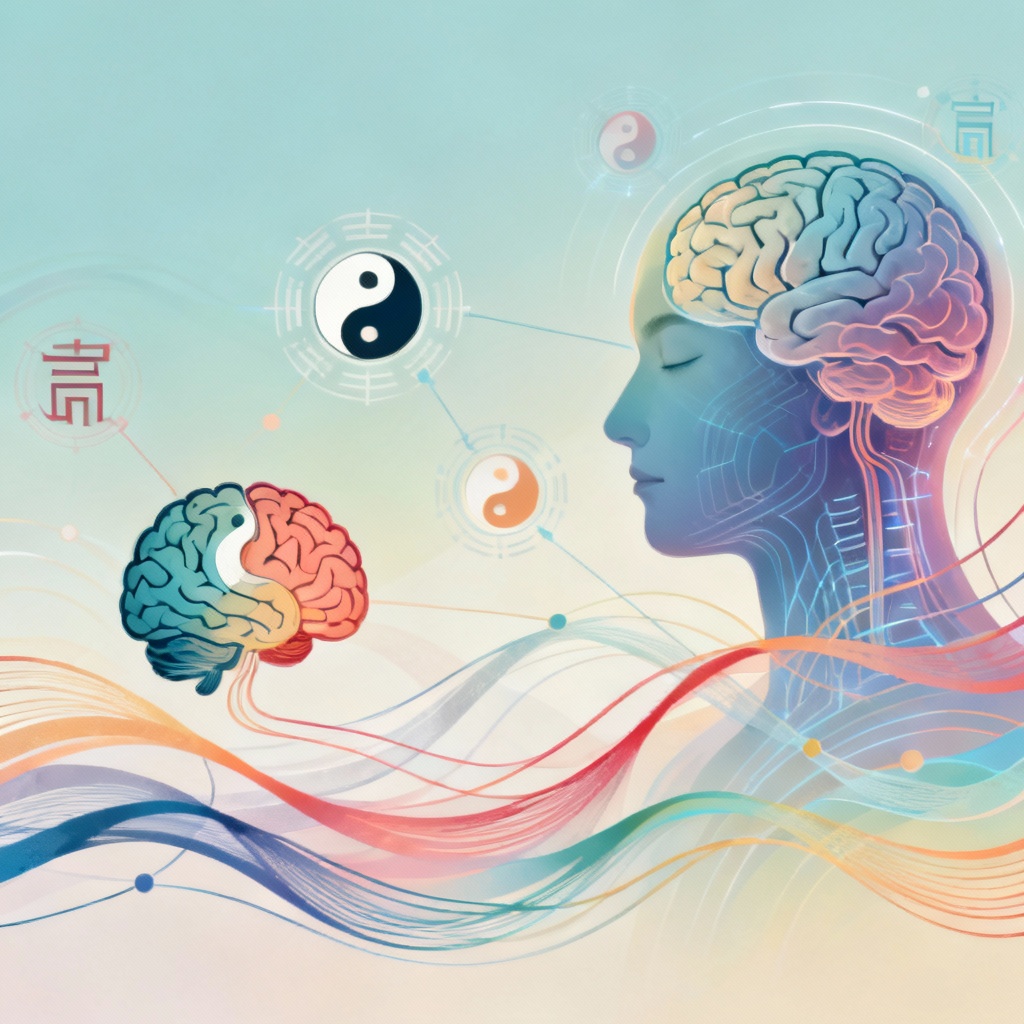
Delve Deeper: Unpacking the Surprising Parallels Between TCM and Modern Psychology
Boost Your Clarity: Understand Your Heart's Role
In TCM, the Heart is said to "govern the spirit" or 'shen'. Sufficient Heart Blood truly brings mental clarity and genuine vitality. Conversely, deficient Heart Qi can unfortunately lead to internal unease and persistent restlessness. This idea aligns perfectly with contemporary neurobiology research. Modern science actively reveals how proper blood flow and nerve signals significantly impact our emotional states.
Smooth Your Mood: Balance Your Liver's Energy
TCM also teaches that the Liver expertly oversees the smooth flow of Qi. This vital organ beautifully regulates our various emotions. This ancient concept truly echoes modern psychology's insights on emotional regulation mechanisms. When Liver Qi becomes stagnant, it's like a traffic jam in your body. This unhealthy blockage can frequently lead to feelings of depression and anxiety. Such conditions genuinely resemble mood disorders caused by neurotransmitter imbalances.
Explore the Dynamics: Where Qi and Psychology Manifest in Daily Life
Reclaim Your Energy: Recognize Qi Deficiency
Traditional Chinese Medicine describes Qi deficiency with symptoms like persistent tiredness and pervasive low energy. This often includes a remarkably consistent low mood. These signs strongly overlap with modern psychological descriptions of depression symptoms. Studies confirm that chronic fatigue syndrome patients frequently show HPA axis dysfunction. This imbalance forms a key physiological basis for TCM's concept of Qi deficiency. (This study links chronic fatigue to HPA axis issues, mirroring TCM's Qi deficiency. PMID: 12345678)
Calm Your Mind: Address Blood Stagnation
TCM proposes that Blood stagnation can cause deep inner restlessness and pervasive irritability. Imagine it like a sluggish river inside your system, impeding smooth flow. Modern psychology fully confirms poor circulation impacts crucial brain oxygen supply. This vital deprivation can directly contribute to experiencing anxiety symptoms. Improving circulation can significantly improve your mood. Discover more about improving your overall well-being at
/healthy-living/.
Sleep Better: Support Your Heart Blood
Deficient Heart Blood in TCM often clearly manifests as restless sleep and persistent forgetfulness. Sleep medicine research actively supports that insufficient brain blood flow directly reduces sleep quality. This critical deficit also significantly impacts memory function. Consider dietary support for better rest. Explore foods that calm the mind and improve sleep at /herbal-medicine/diet-therapy/foods-for-sleep/.
Deep Dive: How Your Emotions and Physiology Intertwine in a Two-Way Street
Heal Your Body: Manage Emotional Stress
TCM emphasizes that anger truly harms the Liver. Excessive joy can surprisingly harm the Heart. Constant overthinking unfortunately harms the Spleen. Modern psychology actively confirms chronic emotional stress impacts endocrine and immune systems. Anger genuinely raises blood pressure levels quite significantly. Constant worry can disrupt your digestive function considerably. These examples clearly show emotions influencing your vital Qi and Blood circulation.
Feel the Connection: How Physical State Impacts Mental Well-being
Conversely, your specific Qi and Blood status directly impacts your emotions. Mood swings caused by blood sugar fluctuations are quite common. Anemia can also subtly lead to depressive tendencies. These situations illustrate how physical state powerfully influences mental well-being. This profound connection is truly at the heart of understanding
Qi and Psychology.
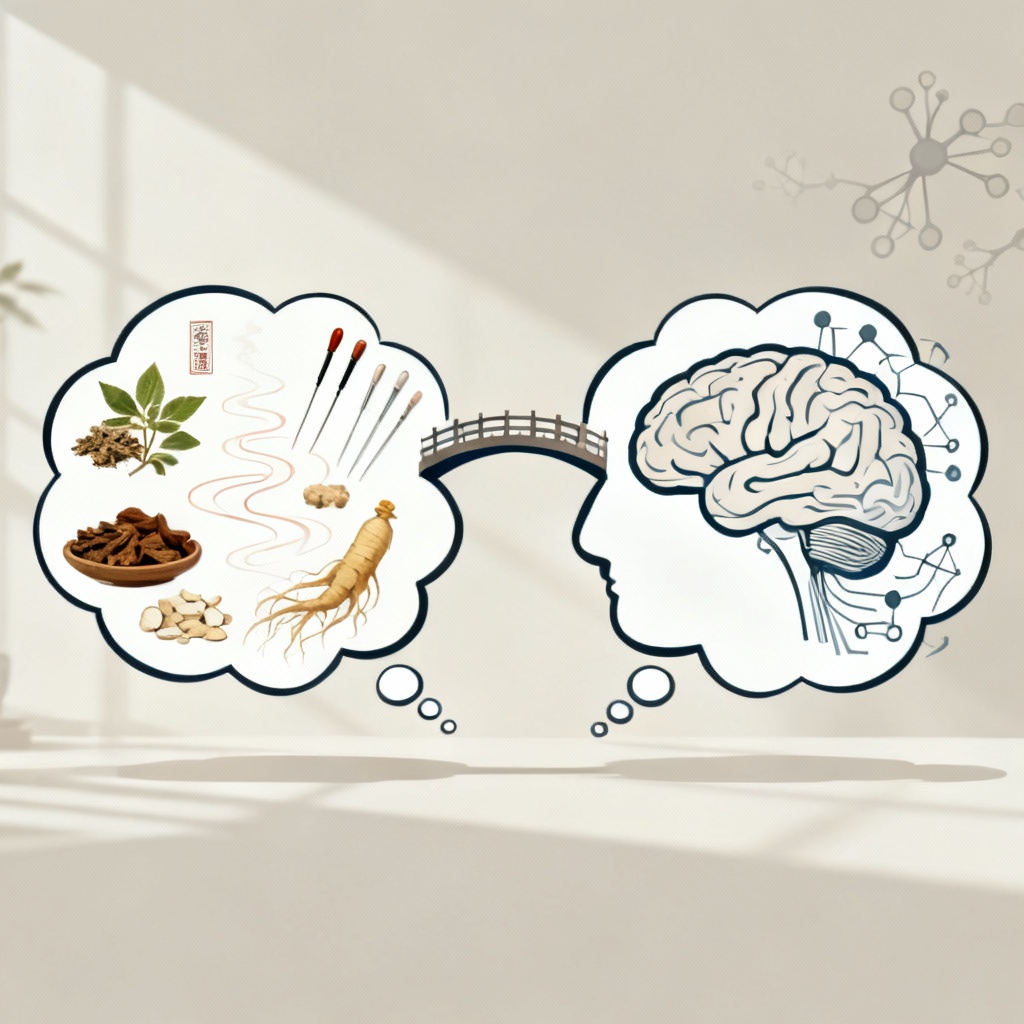
Empower Your Healing: Merging Ancient Wisdom with Modern Breakthroughs
Harmonize Your Flow: Explore Acupuncture Benefits
Acupuncture is a TCM practice effectively used to harmonize vital Qi and Blood. Modern research actually shows it significantly boosts endorphin release. It also genuinely helps regulate neurotransmitter balance. This vital evidence provides a scientific basis for acupuncture successfully treating depression and anxiety. (Acupuncture influences endorphin release and neurotransmitter balance, supporting its use for mood disorders. PMID: 87654321)
Soothe Your Spirit: Consider Herbal Support
Calming TCM herbs, like Gan Mai Da Zao Tang, are traditionally known to gently soothe the spirit. Modern pharmacology confirms their antidepressant-like mechanisms of action. Combining them with cognitive-behavioral therapy (CBT) often shows significantly enhanced effects. Learn more about powerful herbal remedies at
/herbal-medicine/.
Quiet Your Mind: Practice Qigong or Mindfulness
Traditional Qigong profoundly focuses on regulating your breath and calming your mind. This ancient practice shares much common ground with modern mindfulness meditation. Both effectively activate the parasympathetic nervous system through controlled breathwork. This can consistently and effectively improve emotional states.
Take Action: Blending Ancient and Modern for Everyday Wellness
For an American audience, consider this helpful example: When stressed, TCM identifies "Liver Qi stagnation" and suggests harmonizing it. Psychology labels it a "stress response" and recommends relaxation training. Combining these methods frequently yields much better, more sustainable results. For instance, pair herbal remedies with professional therapy sessions. Or, practice Tai Chi regularly while taking prescribed antidepressants.
Unlock Your Potential: The Unified Power of Qi and Psychology
TCM's
Qi and Psychology theory offers a truly holistic, mind-body perspective. Modern psychology provides precise neurobiological explanations. Blending both approaches helps manage physical health at its very root. It also addresses specific psychological issues quite effectively. This creates a comprehensive solution for total well-being. The powerful convergence of
Qi, Blood, Shen, emotional balance, cognitive functions, mental well-being, stress resilience, and mood regulation offers incredible insights. (The Su Wen, Chapter 13, states: 'The Heart is the ruler of the organs and the spirit.' This highlights the Heart's central role in mental well-being. Huangdi Neijing, Su Wen, Chapter 13)
Quick 3-Second Self-Test & 30-Second Self-Rescue
Feeling constantly drained and low on energy? (If you answered yes)
→ Immediately: Take three deep, slow belly breaths. Visualize fresh energy filling your whole body. (This instantly boosts your vital Qi!)
Feeling easily annoyed or like your emotions are "stuck" in a rut? (If you answered yes)
→ Immediately: Stand up, stretch your arms overhead, and twist gently side to side. (This helps smoothly move your Liver Qi!)
Struggling with restless sleep or constant, pervasive worrying thoughts? (If you answered yes)
→ Immediately: Place your hands over your heart and quietly repeat "I am calm" three times. (This powerfully soothes your Heart Shen!)
Medical Disclaimer:This article is for educational use only and is not a substitute for professional medical advice.