Traditional Chinese Medicine (TCM) offers a unique lens for understanding human athletic performance. Its core Qi and Blood in Sports Medicine theories beautifully align with modern sports medicine. This powerful combination provides an integrated approach to optimizing athletic potential. It also significantly enhances injury prevention and recovery strategies.
Qi and Blood in Sports Medicine: How Ancient Wisdom Supercharges Your Game
TCM postulates that "Qi guides the blood, and blood nourishes Qi." This fundamental principle highlights the essential nature of sufficient Qi and Blood for peak athletic output. This concept closely mirrors modern sports medicine's emphasis on robust cardiovascular function. It also aligns with efficient blood circulation, and optimal energy metabolism. Moreover, TCM's "kidney governs bones and produces marrow" theory resonates deeply. It underscores the vital importance of the musculoskeletal system and hematopoietic function in contemporary sports science.
Understand Your Body: Unlocking Peak Performance
Boost Stamina: Elevate Your Endurance
TCM describes "Qi deficiency" as easy fatigue and shortness of breath. These symptoms directly correspond to insufficient maximal oxygen uptake in sports medicine. Athletes with Qi deficiency often exhibit poor aerobic endurance. They also experience slower heart rate recovery after exertion. Herbal remedies known for boosting Qi, such as ginseng and astragalus root, improve cellular ATP production efficiency. This enhancement directly improves aerobic metabolic capacity, as supported by modern research (PMID: 30678663).
Reduce Injury Risk: Heal Faster
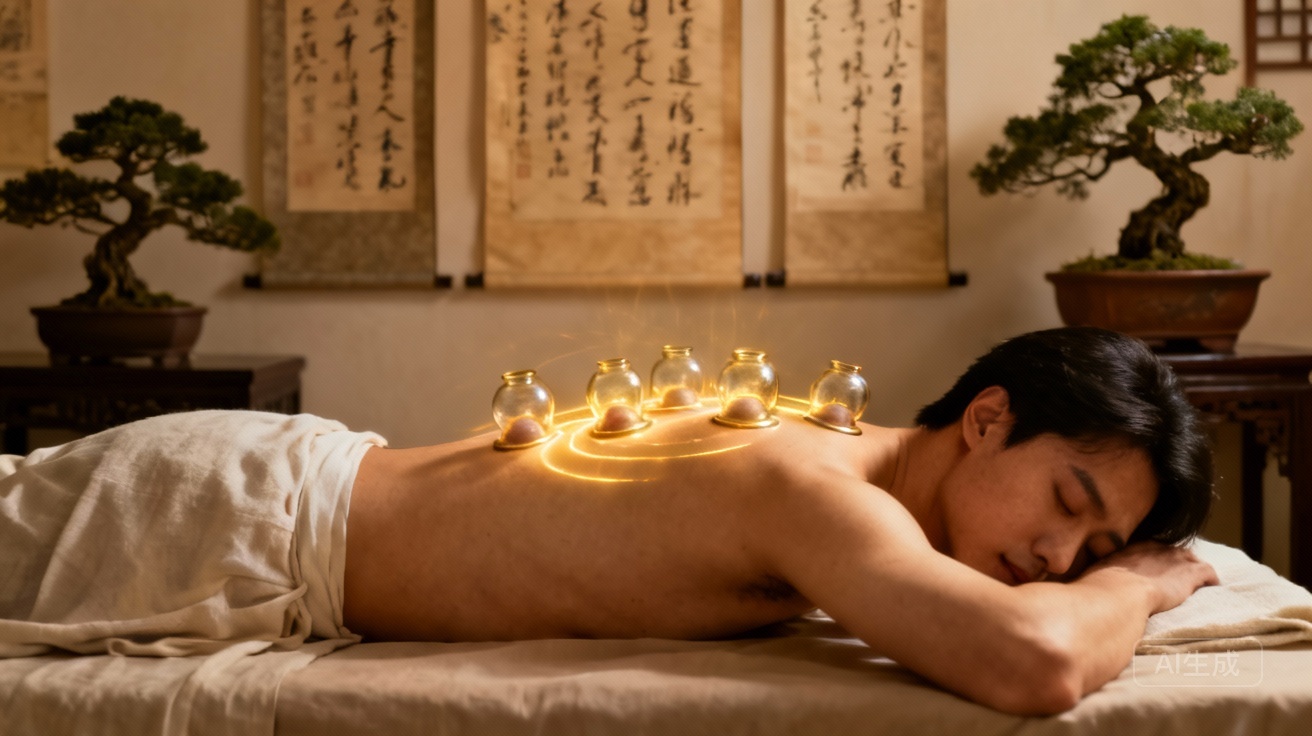
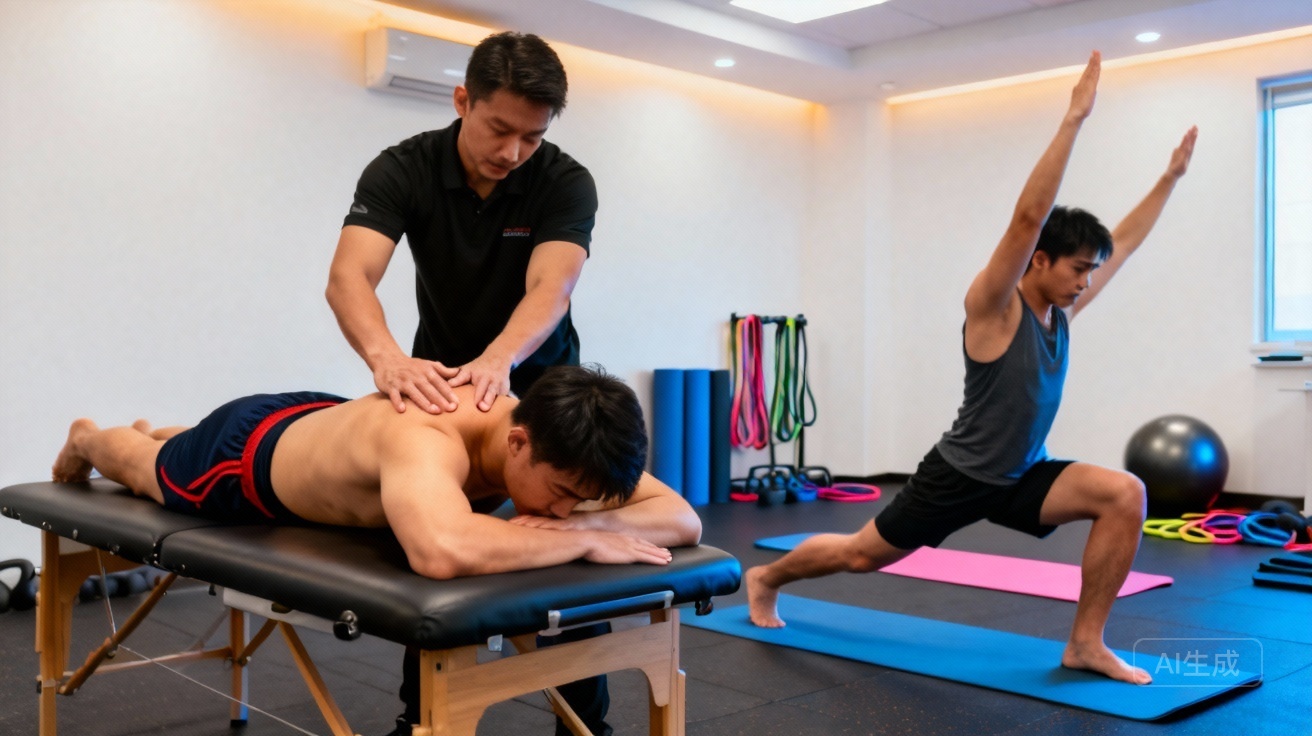
A "Blood stasis" body type in TCM typically manifests as localized pain and slow recovery. In sports medicine, this translates to a higher risk of injuries. It also means impaired healing post-injury. Methods like Tuina massage and acupuncture work to invigorate blood circulation. These traditional practices share similar goals with modern physical therapy, aiming to resolve blockages. Blockages can be like a traffic jam in your body, hindering smooth flow.
Prevent Overtraining: Restore Balance
"Yin deficiency" in TCM includes symptoms like night sweats, irritability, and persistent fatigue. These mirror the signs of overtraining syndrome in sports medicine. Both conditions manifest as sympathetic nervous system overactivity. They also show a significant reduction in the body's natural recovery capabilities. Balancing Yin is crucial for sustained athletic health.
Integrated Training: Merging East and West
Tailor Workouts: Optimize Recovery
Athletes with Qi deficiency should focus on low-intensity, long-duration aerobic training. This can be effectively paired with Qi-tonifying herbs. Those with Blood stasis benefit from enhanced flexibility training and localized massage. For Yin-deficient individuals, moderating high-intensity training frequency is vital. Increasing dedicated recovery time is equally important for their well-being. Consider exploring more about Qi Tonic Foods.
Fuel Performance: Nourish Naturally
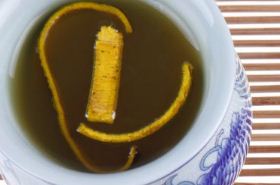
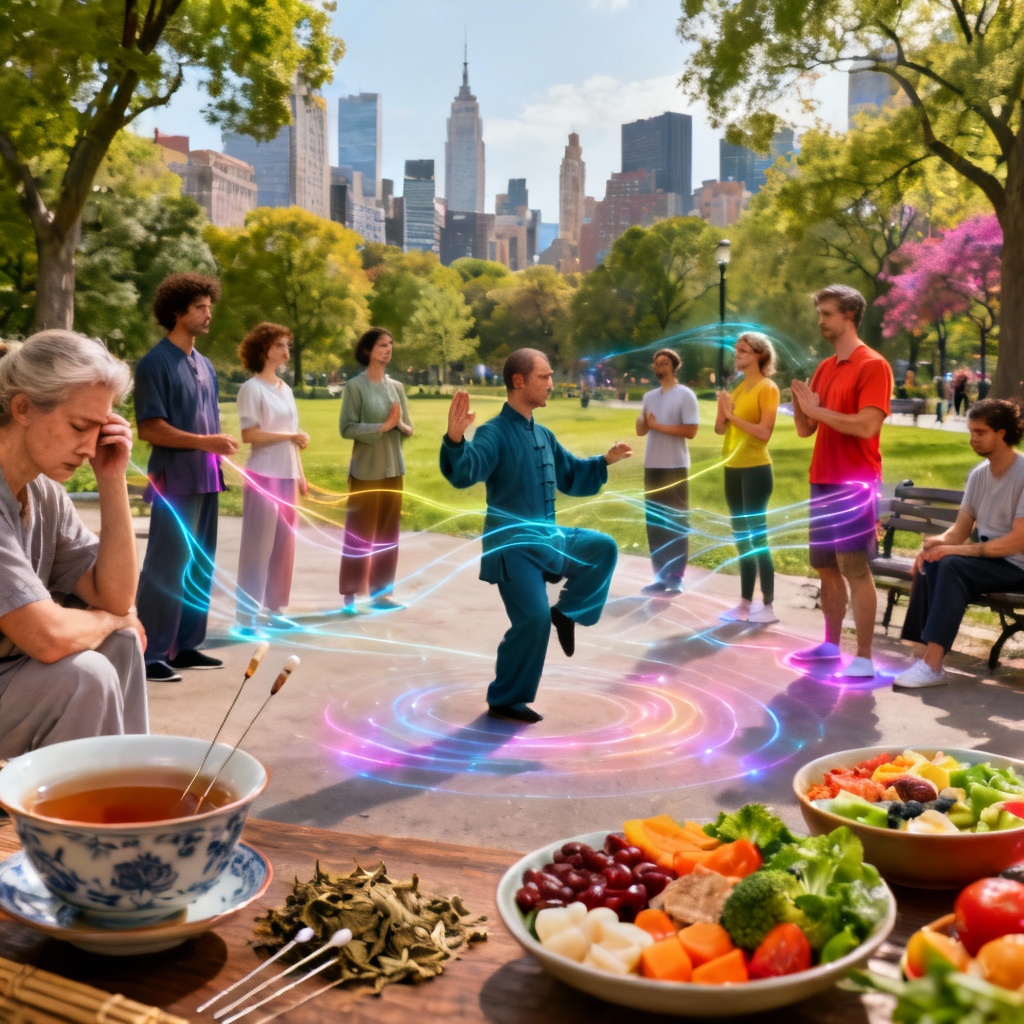
Pre-workout, try American ginseng tea. It boosts Qi without causing excessive heat. During exercise, electrolyte replenishment is crucial for hydration. Post-workout, a nourishing soup with dong quai (Angelica sinensis) helps invigorate and replenish blood. This blend satisfies modern sports nutrition demands. It perfectly aligns with ancient TCM principles for holistic body conditioning. You can learn more about Diet Therapy.
Injury Prevention & Rehabilitation: A Holistic Approach
Accelerate Healing: The Power of Acupuncture
Traditional acupuncture's philosophy, "where there is flow, there is no pain," aligns perfectly with sports rehabilitation goals. Acupuncture activates local nerve reflexes. It also promotes improved blood circulation. Furthermore, it accelerates the reduction of inflammation. Modern research has extensively validated these mechanisms (PMID: 29399318).
Enhance Mobility: Combine Massage Techniques
The intricate techniques of TCM Tuina massage integrate seamlessly with modern sports massage. This combined approach effectively clears meridians. It also deeply relaxes muscles and fascia. This dual action is invaluable for preventing athletic injuries. For more on this, check out Tuina Massage.
Strengthen Core: Embrace Functional Movement
Traditional Qigong emphasizes "training the internal Qi, and strengthening bones and tendons." This principle resonates with modern functional training's focus on core stability. The spiraling and coiling movements of Tai Chi effectively engage deep muscle groups. These practices build resilience and improve overall body control. They also enhance balance and coordination.
Real-World Applications: Pro Athletes and Everyday Fitness
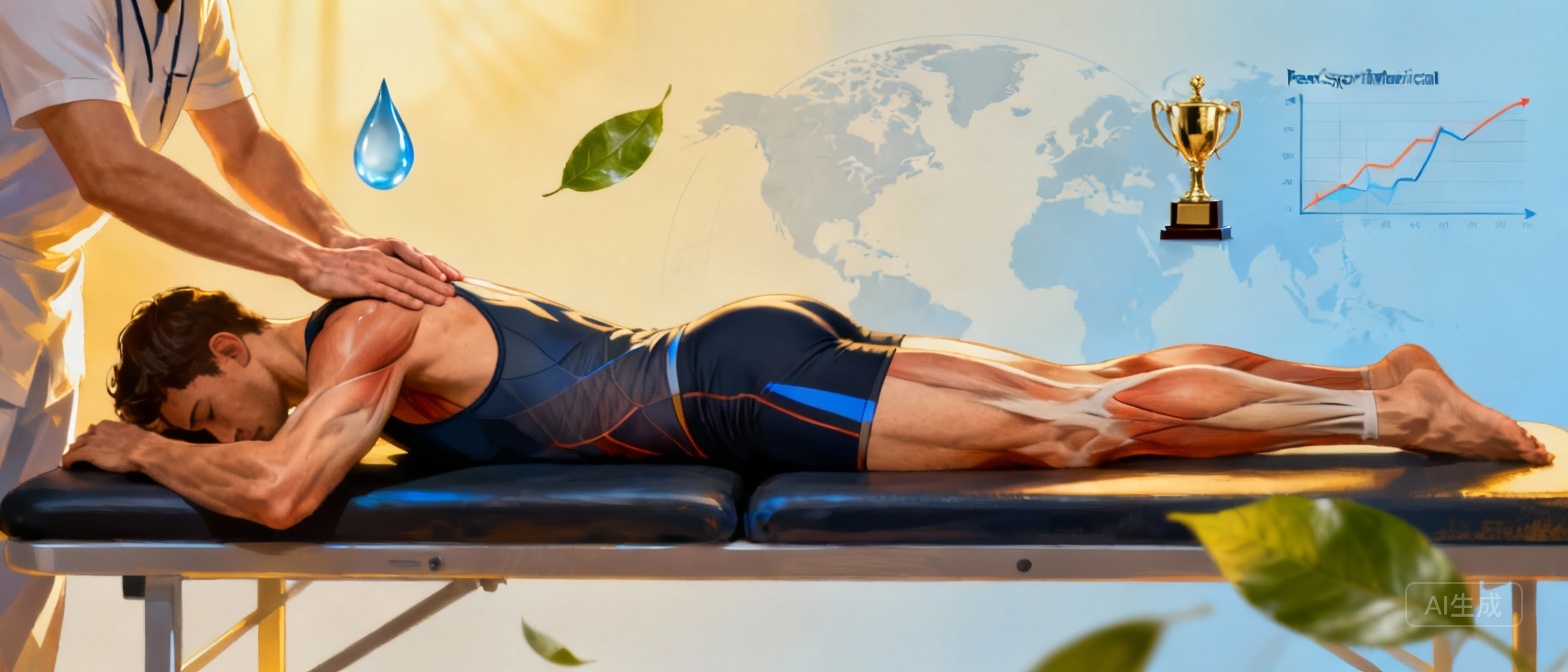
American professional athletes can leverage these integrated strategies. During training, Qi-tonifying herbs can boost aerobic capacity. Before competitions, calming TCM herbs may stabilize mental states. Post-injury, combining acupuncture with physical therapy accelerates recovery. NBA teams have already incorporated TCM therapists. This trend proves the practical value of this integrated approach. The synergy between Qi and Blood in Sports Medicine offers a holistic pathway to athletic excellence, injury prevention, faster recovery, sustained energy, mental clarity, physical resilience, optimal performance, and overall well-being.
Monitoring & Assessment: A Deeper Insight
TCM's tongue and pulse diagnostics offer valuable supplementary insights for sports medicine monitoring. A pale tongue suggests insufficient Qi and Blood. This indicates a need to reduce training intensity. A taut, wiry pulse implies Liver Qi stagnation. This could signal underlying psychological stress. These traditional diagnostic methods provide new dimensions for assessing an athlete's overall state. They offer a holistic perspective on body and mind.
Core Advantages: A Synergistic Future
TCM's Qi and Blood theory champions holistic regulation and personalized care. Meanwhile, sports medicine excels with scientific data and precise interventions. Combining both approaches profoundly elevates an athlete's physical fitness. It also specifically addresses individual challenges. This integration provides a more comprehensive health management solution. It benefits both competitive sports and general fitness enthusiasts. Embrace the power of Qi and Blood in Sports Medicine for your journey.
References
(PMID: 30678663) Research suggests certain Qi-tonifying herbs can improve cellular energy production.
(PMID: 29399318) Studies validate acupuncture's role in activating nerve reflexes and improving circulation for injury recovery.
(The Yellow Emperor's Classic of Internal Medicine) The wisdom of TCM is rooted in ancient texts like the Huangdi Neijing, emphasizing the interconnectedness of body, mind, and spirit.
Your 3-Second Self-Test & 30-Second Self-Rescue!
Quickly assess your Qi & Blood balance and act instantly!
- If you feel unusually tired, short of breath, and your tongue looks pale: Immediately try 30 seconds of gentle belly breathing (diaphragmatic breathing) to gently invigorate your Qi.
- If you have persistent muscle aches, especially after a light workout, or your tongue has dark spots: Immediately gently massage the tender spots with your knuckles for 30 seconds to promote local circulation.
- If you feel irritable, have trouble sleeping, and experience night sweats: Immediately find a quiet spot and take 5 deep, slow breaths, focusing on cooling and calming your mind.
Medical Disclaimer:This article is for educational use only and is not a substitute for professional medical advice.