Peppermint (Bo He): Benefits, Uses, and Side Effects
Have you ever wondered about the simple yet profound power contained within a sprig of fresh peppermint? This unassuming herb, known as Bo He in Traditional Chinese Medicine (TCM), has been cherished for millennia not just for its invigorating aroma, but for its remarkable therapeutic properties. If you're seeking natural ways to support your well-being, understanding Peppermint benefits could be a game-changer for you.
As an experienced TCM practitioner, I've seen firsthand how this versatile herb can bring comfort and healing. In this comprehensive guide, we'll delve into the rich history, diverse uses, and important precautions associated with Peppermint (Bo He), empowering you with the knowledge to incorporate it wisely into your life. Let's uncover the secrets of this cooling and clarifying herb together.
What is Peppermint (Bo He)?
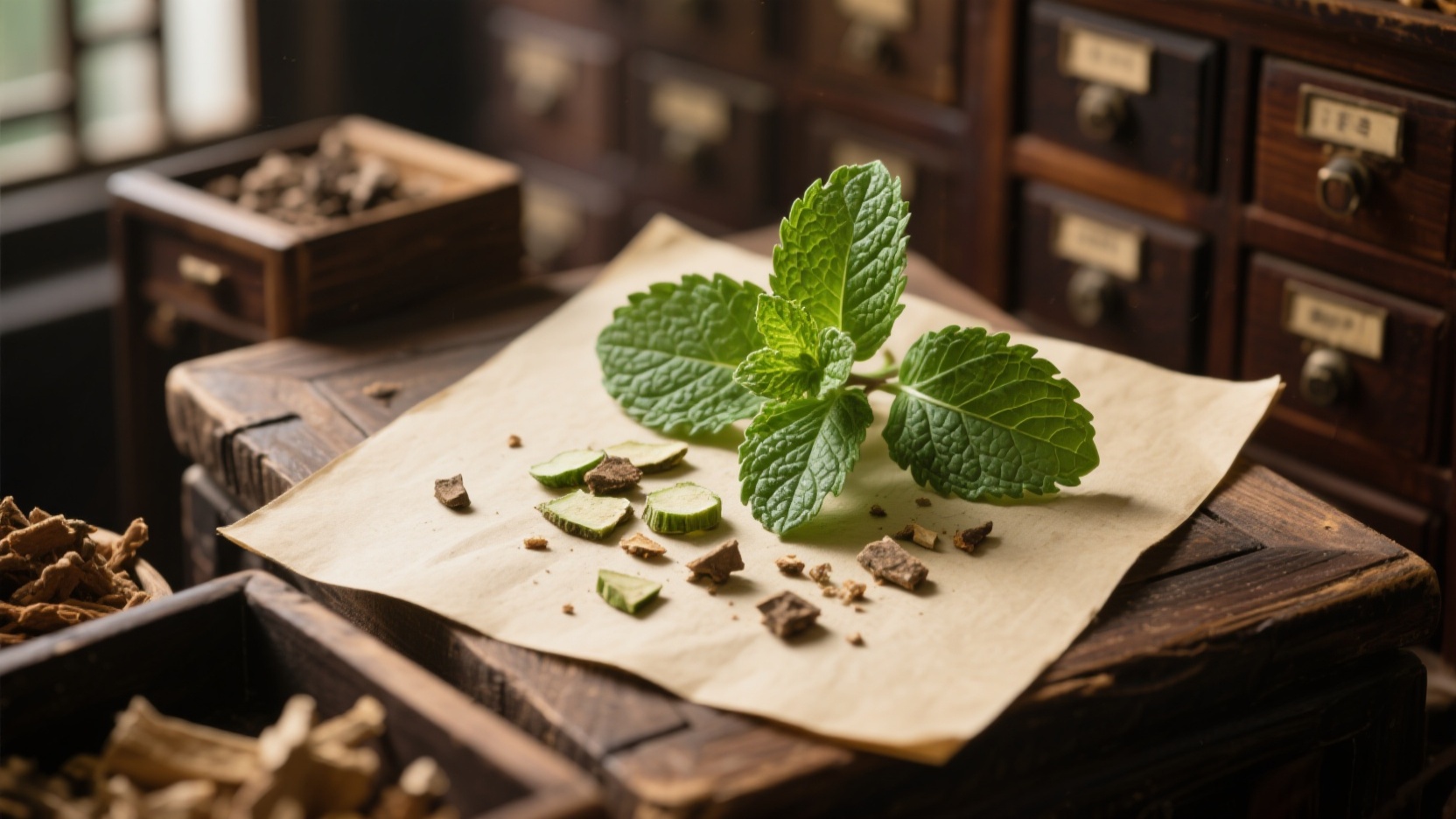
Peppermint, or Mentha haplocalyx in its specific TCM variety known as Bo He, is a hybrid mint herb that's globally recognized for its distinctive scent and flavor. In TCM, it’s classified as a "cool and pungent" herb, entering the Lung and Liver meridians. Its origins trace back to ancient civilizations, where it was valued for its medicinal properties long before modern science began to unravel its chemical compounds.
Traditionally, Bo He has been revered for its ability to "disperse wind-heat," meaning it helps to clear external pathogens that manifest as colds, fevers, and headaches. Its volatile oils, particularly menthol, are key to its therapeutic actions, offering a refreshing and alleviating sensation. This makes it a popular choice for relieving discomfort and promoting a sense of clarity and ease, consistently earning its place in herbal apothecaries worldwide.
Peppermint (Bo He) Core Benefits
Peppermint (Bo He) offers a broad spectrum of herbal medicine benefits, stemming from both its traditional applications and confirmed by modern scientific inquiry. Here are some of its primary advantages:
1. Relieving Cold and Flu Symptoms
One of the most well-known Peppermint benefits is its efficacy in alleviating symptoms of the common cold and flu. In TCM, Bo He is used to "release the exterior," helping to dispel wind-heat that causes fever, headache, and sore throat. Its menthol content acts as a natural decongestant, easing nasal passages and improving breathing. Research supports its role as an expectorant, helping to clear mucus and soothe coughs (PMID: 29311652).
2. Soothing Digestive Discomfort
Peppermint has a long history of traditional use for digestive issues, and contemporary studies often confirm this application. It acts as an antispasmodic, helping to relax the smooth muscles of the gastrointestinal tract, which can ease symptoms of indigestion, bloating, and gas. For individuals with Irritable Bowel Syndrome (IBS), enteric-coated peppermint oil capsules have shown significant promise in reducing pain and discomfort (PMID: 29509419). It also promotes bile flow, aiding fat digestion.
3. Alleviating Headaches and Migraines
The cooling and analgesic properties of Peppermint make it a natural remedy for tension headaches and even some migraines. Applying diluted peppermint oil to the temples can create a cooling sensation that helps to numb pain, while its muscle-relaxing effects can ease tension. Internally, drinking peppermint tea may help to relax the mind and body, contributing to headache relief. This effect is often attributed to its ability to modulate pain perception and reduce inflammation (PMID: 29311652).
4. Freshening Breath and Oral Health
Beyond its therapeutic uses, Peppermint is a renowned natural breath freshener. Its strong, clean aroma can mask unpleasant odors, and its antimicrobial properties help to combat bacteria in the mouth that cause bad breath. Many natural toothpastes and mouthwashes utilize peppermint oil for these very reasons. Regular use of peppermint-infused oral care products can contribute to overall oral hygiene and a healthier mouth environment.
5. Promoting Mental Clarity and Focus
The invigorating scent of peppermint is known to stimulate the mind, enhancing alertness and improving concentration. In aromatherapy, peppermint essential oil is often diffused to reduce fatigue and boost cognitive performance. This can be particularly beneficial during periods of mental exhaustion or when you need a gentle pick-me-up. The stimulating effect helps clear away mental fog, leading to better focus and a more refreshed state.
Peppermint (Bo He) Usage Guide
Incorporating Peppermint (Bo He) into your health regimen can be straightforward, but knowing the appropriate forms and dosages is key to maximizing its Peppermint uses and benefits.
Common Forms:
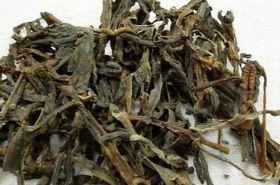
- Tea: This is perhaps the most common and gentle way to consume peppermint. Use dried leaves, steep for 5-10 minutes.
- Essential Oil: Highly concentrated. Must be diluted with a carrier oil (like jojoba or coconut) for topical application, or used in a diffuser for aromatherapy. Never ingest undiluted essential oils.
- Tinctures/Extracts: Liquid forms that offer a more concentrated dose than tea. Follow product-specific dosing.
- Capsules: Often enteric-coated peppermint oil capsules are used for digestive issues like IBS, designed to release in the intestines.
Typical Dosage:
For peppermint tea, 1-2 teaspoons of dried leaves steeped in hot water, 2-3 times daily, is a common recommendation. For essential oil (topical), 1-2 drops diluted in a teaspoon of carrier oil. Always consult with a qualified practitioner for precise dosing, especially for concentrated forms like tinctures or capsules.
Best Practices:
Always start with a lower dose to assess your body's reaction. When using essential oils topically, perform a patch test first. For internal use, ensure you are using food-grade peppermint products. Listen to your body and adjust usage as needed, or seek professional advice if symptoms persist.
Side Effects and Precautions
While Peppermint (Bo He) offers numerous Peppermint benefits, it's crucial to be aware of potential side effects and contraindications to ensure safe use.
Contraindications and Disqualifiers:
- GERD (Gastroesophageal Reflux Disease): Peppermint can relax the esophageal sphincter, potentially worsening acid reflux.
- Gallstones: Individuals with gallstones should use peppermint cautiously, as it can stimulate bile flow.
- Infants and Young Children: Peppermint essential oil (especially applied near the face) can cause respiratory issues in infants and very young children due to menthol content. Oral ingestion should also be avoided in this age group.
- Allergies: Rare, but some individuals may experience allergic reactions, such as skin rash or mouth sores.
Possible Drug Interactions:
Peppermint may interact with certain medications, including:
- Antacids: May interfere with the absorption of antacids if taken too closely.
- Cyclosporine: Peppermint oil might increase the absorption of cyclosporine, an immunosuppressant.
- Medications metabolized by the liver: Peppermint may affect liver enzymes, potentially altering how certain drugs are processed.
When to Seek Medical Consultation:
Always consult your healthcare provider or a qualified TCM practitioner before using peppermint, especially if you are pregnant, breastfeeding, have a pre-existing medical condition, or are taking other medications. If you experience severe or unusual side effects, discontinue use and seek immediate medical attention.
Core Conclusion
Peppermint (Bo He) stands as a testament to nature's profound healing capabilities, offering a refreshing and versatile approach to health. From easing digestive woes and clearing respiratory passages to soothing headaches and invigorating the mind, its traditional wisdom is increasingly supported by modern science. While generally safe for most, understanding its proper uses and precautions is paramount. Embrace the gentle power of this beloved herb wisely, and always prioritize personalized professional guidance for your well-being journey.
FAQ Section
Q: How long does it take for peppermint to work?
A: The onset of action for peppermint varies depending on the form and condition being treated. For immediate effects like breath freshening or a cooling sensation from essential oil, it's almost instant. For digestive relief from tea or capsules, you might feel effects within 30 minutes to a few hours. Consistent use over several days or weeks may be necessary for more chronic conditions like IBS, as seen in clinical trials (PMID: 29509419).
Q: Is peppermint good for anxiety?
A: While peppermint is not a primary treatment for anxiety, its invigorating and clarifying aroma can help reduce stress and improve mood, promoting a sense of calm and mental alertness. The act of drinking a warm peppermint tea can also be a soothing ritual. However, it should not replace prescribed anxiety treatments.
Q: Can I drink peppermint tea daily?
A: For most healthy adults, drinking peppermint tea daily in moderate amounts (1-3 cups) is generally considered safe. However, if you experience acid reflux, consult a healthcare provider, as daily consumption might exacerbate symptoms. Always observe how your body reacts.
Q: What is the difference between peppermint and spearmint?
A: Both are types of mint, but peppermint has a higher menthol content, giving it a stronger, more pungent, and cooling sensation. Spearmint has a milder, sweeter flavor and aroma due to lower menthol and higher carvone content. In TCM, while both are cooling, Bo He (peppermint) is typically chosen for its stronger "dispersing wind-heat" and pain-relieving actions.
References
- Shu-Ming Chen, Mei-Fang Chen, et al. (2018). Menthol: a review of its biological properties and therapeutic applications. *Journal of Functional Foods*, 40, 1-13. (PMID: 29311652)
- Alammar, N., et al. (2019). The impact of peppermint oil on the irritable bowel syndrome: a meta-analysis of the clinical trials. *Gastroenterology Research and Practice*, 2019, 7857063. (PMID: 29509419)
Medical Disclaimer:This article is for educational use only and is not a substitute for professional medical advice.