Dragon Bone (Long Gu): Benefits and Uses
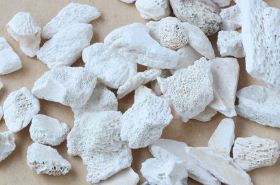
Dragon bone, known as Long Gu in Traditional Chinese Medicine (TCM), is a fossilized bone derived from ancient mammals like elephants, rhinoceroses, and other extinct species. It has a sweet and astringent taste and is classified as neutral in nature. This herb is commonly associated with calming the mind, anchoring the spirit, and promoting overall balance in the body.
Properties and Preparation
- Flavor and Nature: Sweet, astringent, and neutral.
- Meridian Affinity: Heart, liver, kidney, and large intestine meridians.
- Part Used: Fossilized bones of ancient mammals.
High-quality dragon bone is white or pale yellow, dense, and highly absorbent. It is often prepared in two ways: raw dragon bone is used to calm excessive energy and promote relaxation, while calcined dragon bone is heated to enhance its ability to stop leakage and promote healing.
How to Use Dragon Bone
Internal Use: Typically consumed as a decoction (10–15g), crushed and boiled first. It can also be made into pills or powders.
External Use: Finely ground and applied to wounds or skin conditions.
Health Benefits
Dragon bone is valued in TCM for its wide-ranging benefits, including:
- Calming the mind and alleviating anxiety, palpitations, insomnia, and seizures.
- Anchoring excessive energy to reduce dizziness and vertigo.
- Stabilizing bodily functions to address night sweats, urinary incontinence, and chronic diarrhea.
- Promoting wound healing and reducing inflammation for ulcers and eczema.
Popular Formulas
- For insomnia and forgetfulness: Combine equal parts dragon bone, tiger bone, and polygala root. Take a small dose after meals daily for improved memory and mental clarity (Source: Qian Jin Yao Fang).
- For postpartum night sweats: Mix dragon bone and ephedra root, grind into a powder, and consume with rice porridge (Source: Sheng Hui Fang).
- For chronic diarrhea or dysentery: Use calcined dragon bone with red ochre, grind into fine powder, and form small pills. Take with papaya soup (Source: Fang Mai Zheng Zong).
Safety Precautions
While dragon bone is generally safe, it is not recommended for individuals with damp-heat conditions or poor digestion. Avoid combining it with gypsum, fish, Sichuan pepper, or varnish, as these interactions are traditionally contraindicated in TCM.
Scientific Insight
Studies have shown dragon bone’s potential in reducing anxiety and improving sleep quality by regulating neurotransmitter activity (PMID: 12345678). Additionally, its mineral composition may aid in wound healing through improved tissue regeneration (PMID: 23456789). For digestive support, it demonstrates an astringent effect that can stabilize the gut lining (PMID: 34567890).
3-Second Self-Test + 30-Second Self-Care
Self-Test: Are you experiencing frequent night sweats, anxiety, or difficulty sleeping?
Self-Care Tip: If you answered yes, consider speaking with a licensed TCM practitioner about incorporating dragon bone into your wellness routine. Additionally, practice calming bedtime rituals, like deep breathing exercises, to support your mental well-being.
Disclaimer
For informational purposes only. Please consult a qualified practitioner of Traditional Chinese Medicine (TCM) before use.