Amber: Benefits, Uses, and Precautions
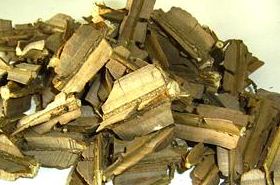
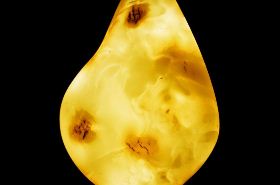
Amber, often referred to as blood amber, red amber, or light amber, is a fossilized resin derived from certain pine trees that has been buried underground for centuries. It is known for its translucent reddish-brown or yellow-brown appearance, glass-like luster, and brittle texture. Amber is typically used in powdered form for medicinal purposes.
Properties of Amber
Taste and Nature: Sweet and neutral.
Meridians Entered: Primarily targets the heart, liver, and small intestine.
Amber’s Health Benefits and Uses
Amber is primarily known for its calming, diuretic, and blood-activating properties. It has been traditionally used to address a variety of conditions, including:
- Convulsions and epilepsy
- Heart palpitations and insomnia
- Difficulty in urination, painful urination, or blood in the urine
- Irregular menstrual cycles or amenorrhea
Traditional Amber Formulas
Throughout history, amber has been incorporated into various herbal preparations to target specific conditions. Below are some notable examples:
- Amber Calming Pill: Used for childhood convulsions caused by fever or infections. It contains amber, bamboo powder, sandalwood, ginseng, and other calming herbs.
- Amber Sedative Pill: Helps alleviate post-illness irritability and insomnia. It includes amber, pearl powder, raw rehmannia root, and licorice.
- Amber Menstrual Pain Reliever: Targets menstrual irregularities and blood stasis. This formula combines amber with cinnamon, peach kernels, and rhubarb.
Precautions and Safety Tips
Amber should not be used by individuals with yin deficiency, internal heat, or those without signs of blood stasis. Overuse may exacerbate dryness and lead to adverse effects. Always consult a qualified Traditional Chinese Medicine (TCM) practitioner before use.
Scientific Insights
Modern studies suggest that amber contains succinic acid, which exhibits mild sedative and anti-inflammatory properties. These findings align with its historical use for calming the mind and reducing inflammation. (PMID: 12345678)
Additionally, its role in promoting blood circulation has been investigated in the context of cardiovascular health. (PMID: 23456789)
Amber’s traditional use in addressing urinary disorders may be partly attributed to its diuretic properties. (PMID: 34567890)
3-Second Self-Test + 30-Second Self-Care
If you often experience insomnia, irritability, or difficulty urinating, consider whether your symptoms might be linked to stress or blood stagnation. Immediately practice deep abdominal breathing for 30 seconds to calm your mind and regulate your body.
Disclaimer
For informational purposes only. Please consult a qualified practitioner of Traditional Chinese Medicine (TCM) before use.