Have you ever experienced a persistent, throbbing headache that just won't quit, or perhaps the discomfort of menstrual cramps that disrupts your daily life? If you're seeking natural solutions, you might be interested in the ancient wisdom of Traditional Chinese Medicine (TCM). Among its vast arsenal of herbs, one stands out for its remarkable ability to invigorate blood and alleviate pain: Chuan Xiong.

This powerful root has been a cornerstone of TCM for centuries, celebrated for its unique properties. In this comprehensive guide, we'll delve deep into Chuan Xiong's efficacy, traditional uses, modern applications, and crucial safety information, providing you with a complete understanding of this extraordinary herb. Prepare to uncover how Chuan Xiong can potentially support your well-being.
What is Chuan Xiong?
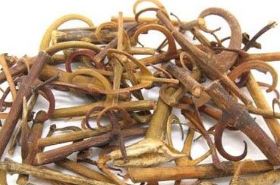
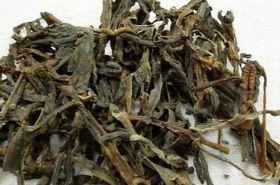
Chuan Xiong, scientifically known as Ligusticum chuanxiong rhizoma, is the dried rhizome of a perennial plant belonging to the carrot family (Apiaceae). It is primarily cultivated in the Sichuan province of China, which gives the herb its name. In TCM, Chuan Xiong is classified as an herb that "invigorates blood and dispels stasis."
Its key characteristics are a warm nature and a pungent (acrid) taste, which allow it to penetrate and move through the body's channels, particularly those of the Liver, Gallbladder, and Pericardium. This unique combination makes it exceptionally effective in promoting the smooth flow of Qi (energy) and blood, essential elements for health according to TCM principles. Its widespread popularity stems from its potent ability to address conditions related to blood stagnation and various types of pain.
Chuan Xiong Core Efficacy
Chuan Xiong is revered in TCM for its multifaceted benefits, primarily centered around its ability to move blood and alleviate pain. Let's explore its core efficacies in detail.
1. Invigorating Blood and Moving Qi
One of the foremost Chuan Xiong efficacy points is its powerful action in invigorating blood and promoting the circulation of Qi. In TCM, optimal health relies on the free flow of Qi and blood throughout the body. When this flow is obstructed, a condition known as "blood stagnation" occurs, leading to pain, swelling, and other discomforts. Chuan Xiong helps to break up this stagnation, restoring harmonious circulation. This action is critical for overall vitality and the prevention of various conditions rooted in poor circulation. Modern research has begun to shed light on these mechanisms, showing its potential to improve microcirculation [PMID: 29065691].
2. Alleviating Pain, Especially Headaches
Chuan Xiong is arguably most famous for its remarkable analgesic properties, particularly in treating headaches. Whether you suffer from tension headaches, migraines, or headaches associated with colds and flu, Chuan Xiong offers a traditional remedy. Its ability to move blood and Qi helps to clear blockages in the head, which TCM attributes to the onset of many headache types. It is often combined with other herbs to target specific headache patterns. This pain-relieving action extends beyond the head, addressing discomfort throughout the body caused by blood stasis.
3. Addressing Gynecological Disorders
For women's health, Chuan Xiong plays a vital role, making it a cornerstone in formulas for various gynecological issues. Its ability to invigorate blood and regulate Qi makes it highly effective in alleviating menstrual pain (dysmenorrhea), irregular menstruation, and amenorrhea (absence of menstruation) caused by blood stasis. By promoting healthy blood flow to the uterus, Chuan Xiong helps to resolve blockages that contribute to these painful and disruptive conditions. It is frequently prescribed to help restore a regular and comfortable menstrual cycle, reflecting its deep historical application in female reproductive health.
4. Dispelling Wind and Dampness for Pain Relief
Beyond blood stagnation, Chuan Xiong also has the capacity to dispel wind and dampness, which are considered pathogenic factors in TCM that can lead to pain, especially in the joints and limbs. This makes it a valuable herb in treating "Bi Syndrome," a TCM term for conditions akin to arthritis, characterized by stiffness, swelling, and localized pain. By promoting circulation and expelling these external factors, Chuan Xiong helps to reduce inflammation and relieve discomfort in muscles and joints, restoring mobility and comfort. This combined action highlights its versatile herbal medicine applications.
5. Supporting Cardiovascular Health
Emerging modern research suggests potential cardiovascular benefits of Chuan Xiong. Studies indicate that compounds within Chuan Xiong may possess vasorelaxant properties, meaning they can help relax blood vessels and improve blood flow. This effect could contribute to lowering blood pressure and enhancing overall cardiovascular function [PMID: 35154388]. While traditional use focuses on blood movement, this contemporary understanding opens new avenues for exploring Chuan Xiong's role in supporting heart health and circulation, though more robust clinical trials are needed to fully confirm these findings.
Chuan Xiong Usage Guidelines
Understanding how to properly use Chuan Xiong is essential for maximizing its benefits and ensuring safety. It's a potent herb, and proper application is key.
Common Forms and Dosages
Chuan Xiong is typically prepared in several forms. The most common traditional method is a decoction, where the dried rhizome is boiled in water to extract its active compounds. Standard dosages for decoction range from 3 to 9 grams per day, depending on the individual's condition and the specific formula. It can also be found in powdered form, often encapsulated, or as part of patented herbal formulas. For topical applications, it may be found in liniments or poultices for localized pain.
Best Practices for Use
Given its powerful properties, it is highly recommended to consult a qualified TCM practitioner or healthcare provider before incorporating Chuan Xiong into your regimen. They can accurately assess your constitution, diagnose your specific condition, and prescribe the appropriate dosage and combination of herbs. Self-diagnosis and self-treatment with Chuan Xiong are not advisable due to its potent actions. A practitioner can also guide you on the optimal duration of use, ensuring you achieve the best results while maintaining safety. For more general information about herbs, you can explore an herbal encyclopedia.
Side Effects and Precautions
While Chuan Xiong offers significant benefits, it is a potent herb and comes with important considerations regarding its side effects and contraindications. Awareness of these is crucial for safe use.
Contraindications and Warnings
Chuan Xiong should be avoided by pregnant women due to its strong blood-invigorating and moving properties, which could potentially stimulate uterine contractions or cause miscarriage. Individuals with bleeding disorders or who are taking anticoagulant medications should also exercise extreme caution or avoid Chuan Xiong altogether, as it can enhance blood-thinning effects. People with Yin deficiency presenting with heat signs (such as night sweats, dry mouth, or flushed cheeks) should also steer clear, as Chuan Xiong's warm nature could exacerbate these symptoms. Furthermore, those experiencing excessive menstrual bleeding should avoid this herb, as it could worsen the condition.
Possible Drug Interactions
As mentioned, Chuan Xiong can interact with anticoagulant and antiplatelet medications (like warfarin, aspirin, or clopidogrel), potentially increasing the risk of bleeding. If you are on any prescribed medication, it is imperative to discuss the use of Chuan Xiong with your doctor or a qualified pharmacist to prevent adverse interactions. Its influence on blood pressure should also be considered if you are taking antihypertensive drugs.
When to Seek Medical Consultation
Always seek immediate medical attention if you experience any adverse reactions after taking Chuan Xiong, such as severe dizziness, excessive bleeding, palpitations, or allergic reactions like rash or difficulty breathing. If your symptoms worsen or do not improve after a reasonable period of use, discontinue the herb and consult your healthcare provider. Your health and safety are paramount, and professional guidance is always the safest approach when using powerful herbal remedies.
Key Conclusion
Chuan Xiong stands as a remarkable herb within the TCM pharmacopeia, cherished for its profound efficacy in invigorating blood, moving Qi, and alleviating various forms of pain, particularly headaches and menstrual discomfort. Its traditional applications are increasingly supported by modern research, highlighting its potential in areas like cardiovascular health. However, its potent nature demands respect and caution. Always prioritize consulting a qualified TCM practitioner or healthcare provider to ensure safe and effective use, tailored to your unique health profile. Understanding Qi and Blood dynamics is fundamental to appreciating its power.
FAQ Section
Here are some frequently asked questions about Chuan Xiong:
- Is Chuan Xiong safe during pregnancy?
No, Chuan Xiong is contraindicated during pregnancy due to its strong blood-moving properties, which can stimulate uterine contractions and potentially lead to miscarriage.
- How long does it take for Chuan Xiong to work for headaches?
For acute headaches, some individuals may experience relief relatively quickly, often within hours to a day after taking it, especially when part of a well-formulated prescription. For chronic or complex conditions, it may take several days to weeks to observe significant improvement as the underlying imbalances are addressed. Consistency under professional guidance is key.
- Can Chuan Xiong be taken with other medications?
Chuan Xiong can interact with certain medications, especially anticoagulants (blood thinners) and antiplatelet drugs, increasing the risk of bleeding. It is crucial to consult your doctor or a qualified TCM practitioner before combining Chuan Xiong with any prescription medications or other supplements to avoid adverse interactions.
- What kind of pain is Chuan Xiong best for?
Chuan Xiong is primarily known for treating pain caused by blood stagnation, such as headaches (especially migraines and tension headaches), menstrual pain (dysmenorrhea), and generalized body aches or joint pain where there is a feeling of fixed, sharp pain, or stiffness due to stagnant blood or wind-dampness.
References
- Exploring the Potential of Ligusticum chuanxiong in Stroke Treatment: A Comprehensive Review. (PMID: 29065691) https://pubmed.ncbi.nlm.nih.gov/29065691/
- Ligusticum chuanxiong: A Review of Its Phytochemistry, Pharmacology, and Clinical Applications. (PMID: 35154388) https://pubmed.ncbi.nlm.nih.gov/35154388/
- Huang Di Nei Jing (The Yellow Emperor's Classic of Medicine), various English translations discussing blood and Qi circulation. (This is a foundational text rather than a specific PMID; the principles underpinning Chuan Xiong's use for moving blood and Qi are extensively described within it.)
Medical Disclaimer:This article is for educational use only and is not a substitute for professional medical advice.