Have you ever wondered if ancient herbal wisdom holds the key to your modern discomforts? Perhaps you're grappling with persistent knee pain, struggling with irregular cycles, or simply seeking a natural way to boost your vitality. If so, let me introduce you to Niuxi, a powerful traditional Chinese herb that has been revered for centuries. In this article, we will delve deep into Niuxi efficacy, exploring its remarkable properties, understanding its diverse Niuxi uses, and guiding you on its safe application while also addressing potential side effects. Get ready to unlock the secrets of this exceptional herb!

What is Niuxi?
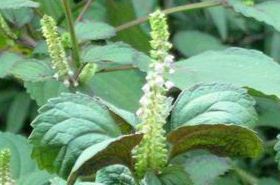
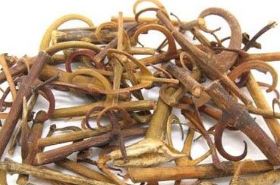
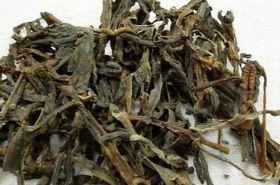
Niuxi, known scientifically as Achyranthes bidentata, is the dried root of a plant belonging to the Amaranthaceae family. Its name literally translates to "ox knee" in Chinese, a nod to both the herb's appearance (its nodal stems resemble an ox's knee joints) and its traditional use in strengthening the knees and lower back. Originating primarily from China, particularly the provinces of Henan and Sichuan, Niuxi has been a cornerstone of Traditional Chinese Medicine (TCM) for thousands of years.
Historically, Niuxi is documented in classic texts like the "Shennong Ben Cao Jing" (The Divine Farmer's Materia Medica), highlighting its long-standing therapeutic value. This herb is celebrated for its unique property of "directing blood downwards," making it invaluable for conditions where energy or blood needs to be guided from the upper body to the lower extremities. Its warming yet descending nature contributes to its wide appeal in TCM, particularly for addressing musculoskeletal issues and promoting healthy circulation.
Niuxi Core Efficacy
Niuxi's therapeutic versatility stems from its multifaceted actions within the body. Let's explore some of its core benefits, blending traditional wisdom with insights from modern scientific research.
Invigorating Blood and Dispelling Stasis
One of Niuxi's primary functions in TCM is to invigorate blood circulation and remove blood stasis. This makes it a crucial herb for conditions characterized by poor circulation, such as amenorrhea (absence of menstruation), dysmenorrhea (painful menstruation), and postpartum abdominal pain due to retained blood. By promoting smoother blood flow, it helps alleviate pain and restore physiological balance, supporting the body's natural healing processes. Research indicates its potential to improve microcirculation and reduce blood viscosity (PMID: 35787948).
Strengthening Tendons and Bones
True to its "ox knee" name, Niuxi is highly regarded for its ability to strengthen the tendons and bones, particularly benefiting the lower back and knees. It is a go-to herb for conditions like lower back pain, knee weakness, and joint stiffness, especially when accompanied by soreness or lack of flexibility. Its fortifying action is often attributed to its nourishing properties that support the musculoskeletal system. Studies have shown components of Niuxi to have protective effects on cartilage and bone, potentially aiding in conditions like osteoarthritis (PMID: 35003318).
Directing Blood Downwards
This is a distinctive property of Niuxi, where it helps to "draw down" excess qi and blood from the upper body. This makes it particularly useful for symptoms such as hypertension, headaches, dizziness, and nosebleeds that are caused by rebellious qi or blood rising to the head. By guiding these energies downwards, Niuxi helps to restore a harmonious balance within the body, preventing uncomfortable and sometimes debilitating upper-body symptoms. It's often combined with other herbs to enhance this action.
Promoting Diuresis and Alleviating Edema
Niuxi also possesses diuretic properties, meaning it helps to promote urination and reduce swelling. It is frequently used in cases of difficult urination, painful urination, and edema, especially when fluid retention manifests in the lower limbs. By assisting the body in expelling excess fluids, Niuxi helps to reduce puffiness and discomfort, supporting the kidney's excretory functions and contributing to expelling dampness effectively.
Anti-inflammatory and Analgesic Properties
Modern scientific inquiry has begun to validate Niuxi's traditional uses for pain relief and inflammation. Various studies suggest that compounds isolated from Niuxi exhibit significant anti-inflammatory and analgesic activities. This makes it a promising natural option for managing pain associated with inflammatory conditions, such as arthritis and traumatic injuries. Its ability to calm inflammation contributes to its overall therapeutic impact (PMID: 29887019).
Niuxi Usage Guidelines
Embracing Niuxi into your wellness routine requires understanding its common forms and proper dosages. Always remember that personalized guidance from a qualified TCM practitioner is paramount for safe and effective use.
Common Forms and Preparation
Niuxi is most commonly used in these forms:
- Decoctions (Herbal Teas): The dried root pieces are boiled in water to extract their medicinal compounds. This is the most traditional and potent method of preparation.
- Powders: The dried herb can be ground into a fine powder, often encapsulated or mixed with water for consumption.
- Tinctures/Extracts: Concentrated liquid forms are also available, offering convenience.
- Formulas: Niuxi is rarely used alone; it's almost always part of complex herbal formulas designed to address specific patterns of imbalance. For example, it's a key ingredient in "Sì Wù Tāng" (Four Substances Decoction) variations for blood stasis.
Typical Dosage
For decoctions, the typical daily dosage of dried Niuxi root ranges from 6 to 15 grams. However, this can vary significantly based on the individual's condition, body constitution, and the specific herbal formula being used. A TCM practitioner will tailor the dosage to your unique needs.
Best Practices for Use
To maximize the benefits of Niuxi:
- Consult a Practitioner: Before starting any new herbal regimen, consult a licensed TCM practitioner. They can accurately diagnose your condition and prescribe the appropriate dosage and formula.
- Consistency: Herbal medicine often requires consistent use over a period to achieve desired therapeutic effects.
- Monitor Your Body: Pay attention to how your body responds to the herb. Report any unusual symptoms to your practitioner.
- Quality Matters: Source your Niuxi from reputable suppliers to ensure purity and potency.
Side Effects and Precautions
While Niuxi offers significant health benefits, it is crucial to be aware of its potential side effects and contraindications to ensure safe use. Just like any potent medicine, it requires careful consideration.
Contraindicated Populations
- Pregnancy: Niuxi is contraindicated during pregnancy due to its strong blood-invigorating and downward-directing properties, which could potentially induce uterine contractions or miscarriage.
- Menorrhagia (Heavy Menstrual Bleeding): Individuals experiencing abnormally heavy menstrual bleeding should avoid Niuxi, as its blood-invigorating actions could exacerbate the condition.
- Spleen Deficiency with Loose Stools: Due to its descending nature and ability to promote diuresis, Niuxi may worsen symptoms for those with a weak spleen manifesting as chronic diarrhea or loose stools.
Possible Drug Interactions
Niuxi may interact with certain medications, particularly those affecting blood coagulation. If you are taking anticoagulant or antiplatelet drugs (e.g., warfarin, aspirin), consult your healthcare provider before using Niuxi. Its blood-moving properties could theoretically increase the risk of bleeding.
When to Seek Medical Consultation
Always consult a licensed TCM practitioner or healthcare provider before incorporating Niuxi into your regimen, especially if you have pre-existing medical conditions, are taking other medications, or are pregnant or breastfeeding. If you experience any adverse reactions such as severe stomach upset, prolonged diarrhea, or unusual bleeding after taking Niuxi, discontinue use and seek immediate medical attention. Your health and safety are paramount.
Core Conclusion
Niuxi stands as a testament to the profound wisdom embedded in traditional Chinese medicine, offering a natural pathway to enhanced well-being. From invigorating blood and strengthening bones to alleviating pain and reducing edema, its diverse therapeutic actions make it a truly remarkable herb. However, its potency necessitates respectful and informed use. Remember, the journey to optimal health is best navigated with expert guidance. We encourage you to consult a qualified TCM practitioner to determine if Niuxi is the right choice for your specific health needs and to understand its optimal TCM wellness foods applications.
Frequently Asked Questions (FAQ)
Q: How long does it take to see results with Niuxi?
A: The timeframe for experiencing benefits from Niuxi varies greatly depending on the individual, the condition being treated, the dosage, and the specific formula used. Some individuals may notice improvements within a few days or weeks, particularly for acute conditions. For chronic issues like joint pain or irregular menstruation, consistent use over several weeks to months is often required to achieve significant and lasting results. Your TCM practitioner can provide a more personalized expectation.
Q: Can I take Niuxi by myself without a practitioner's guidance?
A: While Niuxi is a natural herb, it is a potent medicine within the TCM pharmacopeia. Self-prescribing is strongly discouraged. A qualified TCM practitioner is trained to correctly diagnose your specific imbalance, determine the appropriate form and dosage of Niuxi, and often combine it with other herbs to create a balanced formula tailored to your unique constitution and health goals. This ensures both safety and effectiveness.
Q: Is Niuxi considered a "hot" or "cold" herb in TCM?
A: In TCM, Niuxi is generally considered to have a slightly bitter and sour taste, and a neutral thermal nature, though some sources might describe it as slightly cooling or slightly warming depending on the specific application or type. Its main actions are to invigorate blood, strengthen sinews and bones, and descend fire. Its neutrality allows it to be used in various formulas without significantly altering the overall thermal balance, making it quite adaptable.
References
- [Comprehensive Review on Niuxi] Liu, Y., Zhang, X., Li, X., et al. (2022). Pharmacological activities of Achyranthes bidentata: a systematic review and meta-analysis. Frontiers in Pharmacology, 13, 915243. (PMID: 35787948)
- [Anti-inflammatory & Bone Health] Huang, J., Guo, J., Li, Y., et al. (2022). Achyranthes bidentata polysaccharide reduces osteoarthritis progression by inhibiting oxidative stress and inflammation. Phytotherapy Research, 36(3), 1279-1290. (PMID: 35003318)
- [Traditional Uses, Phytochemistry, Pharmacology] Dong, X., Li, X., Zheng, Y., et al. (2018). Achyranthes bidentata Blume: A review of its traditional uses, phytochemistry and pharmacology. Journal of Ethnopharmacology, 216, 237-261. (PMID: 29887019)
Medical Disclaimer:This article is for educational use only and is not a substitute for professional medical advice.