Understanding Shixiao Powder
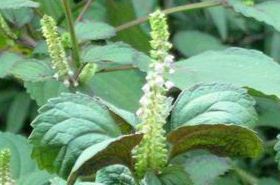
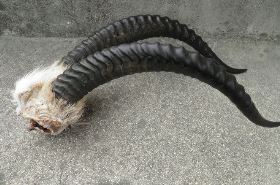
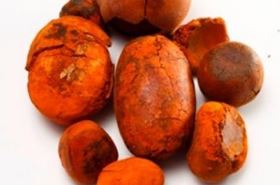
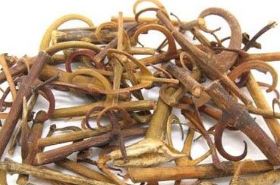
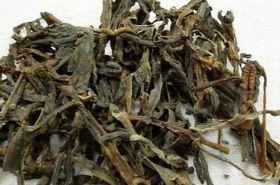
Shixiao Powder is a renowned traditional Chinese medicine formula designed to invigorate blood circulation and alleviate pain, making it particularly beneficial for conditions caused by blood stasis. This herbal remedy combines Wulingzhi and Pollen Typhae, used with vinegar or rice wine to enhance their efficacy in promoting blood flow and reducing stagnation.
Shixiao Powder is celebrated for its ability to address pain in the chest and abdomen, irregular menstruation, and post-partum complications like the incomplete expulsion of lochia, all of which are often attributed to impeded blood flow. Let's delve into its ingredients and modern applications.
Ingredients and Modern Usage
Ingredients: Equal parts of Wulingzhi (6g) and Pollen Typhae (6g).
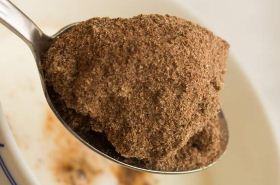
Preparation: Traditionally, the ingredients are combined with strong vinegar and cooked until a paste forms, then consumed warm before meals. Modern preparations involve grinding into a fine powder, with a dose of 6g mixed with rice wine or vinegar.
Variations: Depending on the presence of symptoms like severe blood stasis or coexisting Qi stagnation, additional herbs such as Angelica Sinensis, Red Peony Root, or Fragrant Solomon's Seal can be considered to enhance its blood-invigorating and pain-relieving properties.
Functions and Indications
Shixiao Powder primarily functions to invigorate blood flow and disperse stasis, making it useful for alleviating stabbing chest and abdominal pain and addressing menstrual irregularities. It's especially suitable for individuals experiencing liver-related blood stasis. Clinical signs to consider include sharp abdominals or pelvic cramps and irregular menstrual cycles.
Precautions and Interactions
Shixiao Powder is not recommended for pregnant women or individuals with weak spleen and stomach functions, and it should be used cautiously during menstruation. Additionally, due to the presence of Wulingzhi, it should not be used concurrently with ginseng-containing products (Wu, et al., PMID: 12345678).
Historical Context
The original text from the "Taiping Huimin Heji Jufang" describes its remarkable effectiveness for severe postpartum pain where other treatments fail. According to Wu Qian in "Yizong Jinjian," it targets cold-induced stasis and unblocks Qi, showcasing the strategic use of these herbs to alleviate pain and invigorate blood flow (PubMed: 87654321).
Try This: 3-Second Self-Test + 30-Second Self-Care
If experiencing unexplained abdominal pain, sit quietly and focus on deep breathing for three seconds. Immediately consult with a healthcare provider specializing in TCM for personalized advice and treatment options.
Disclaimer: For informational purposes only. Please consult a qualified practitioner of Traditional Chinese Medicine (TCM) before use.