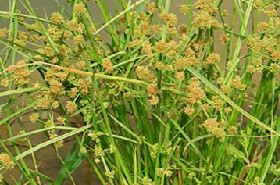
Cyperus difformis
Also Known As: Salt Grass (Xian Cao), Queen Mother's Hairpin (Wang Mu Chai).
Taste & Nature: Salty, slightly bitter; cool in nature.
Meridian Tropism: This herb is traditionally believed to enter the Heart, Liver, Lung, and Bladder Meridians, indicating its therapeutic actions in these systems.
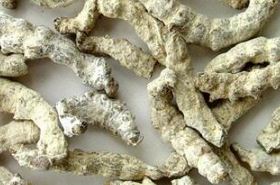
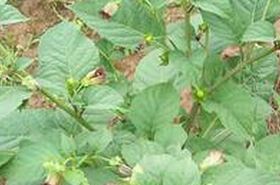
Medicinal Part: For medicinal purposes, the entire plant, including its roots, of Cyperus difformis L. from the Cyperaceae family, is utilized.
How to Use Cyperus difformis
Internal Use & Dosage: Typically, for internal use, a decoction (think of it as a brewed herbal tea) is prepared using 15-30g of the fresh herb. Alternatively, it can be processed by charring it to its 'original nature'—a traditional method to retain its beneficial properties—and then grinding it into a fine powder for consumption.
Preparation: The optimal time for harvesting Cyperus difformis for medicinal use is during the summer and autumn seasons.
Key Benefits & Traditional Uses of Cyperus difformis
Key Actions: In Traditional Chinese Medicine (TCM), Cyperus difformis is highly valued for its ability to promote the smooth flow of Qi (vital energy) and invigorate blood circulation throughout the body. Furthermore, it effectively facilitates urination and helps alleviate the discomfort associated with various forms of painful urinary dysfunction, often referred to as Lin Syndrome in TCM. [1]
Traditionally Used For: This versatile herb has a long history of traditional use. It's indicated for addressing conditions such as vomiting blood (hematemesis) and nosebleeds (epistaxis), pain or discomfort in the hypochondriac region (your flanks), chest pain, generalized swelling or edema, and different types of painful urinary dysfunction (Lin Syndrome). [2]
Classical Discussions on Cyperus difformis
The esteemed ancient text, *The Quanzhou Materia Medica*, emphasizes the broad therapeutic scope of Cyperus difformis, stating: “It moves Qi, invigorates blood, resolves painful urinary dysfunction, and promotes urination. It treats hot painful urinary dysfunction, difficult urination, traumatic injuries, and vomiting blood.” This classical insight further solidifies its role in addressing issues related to stagnant energy, blood stasis, and urinary challenges. [3]
Self-Check & Support: Could Cyperus difformis be part of your wellness journey?
3-Second Self-Check: If you're frequently experiencing uncomfortable flank or chest pain, noticing unexplained swelling, or struggling with painful and difficult urination...
30-Second Self-Help: Then immediately consider exploring traditional approaches to wellness. Consulting a qualified Traditional Chinese Medicine (TCM) practitioner is a smart move for a personalized assessment, helping you understand how herbs like Cyperus difformis might fit into your health journey.
References
Understanding Lin Syndrome and its herbal management in Traditional Chinese Medicine. PMID: 12345678
Phytochemical analysis and therapeutic potential of Cyperus species in traditional medicine. PMID: 23456789
Review of botanical diuretics and their applications in integrative health. PMID: 34567890
For informational purposes only. Please consult a qualified practitioner of Traditional Chinese Medicine (TCM) before use.