Unbelievably, How NBA Stars Embrace Gua Sha for Sports Recovery
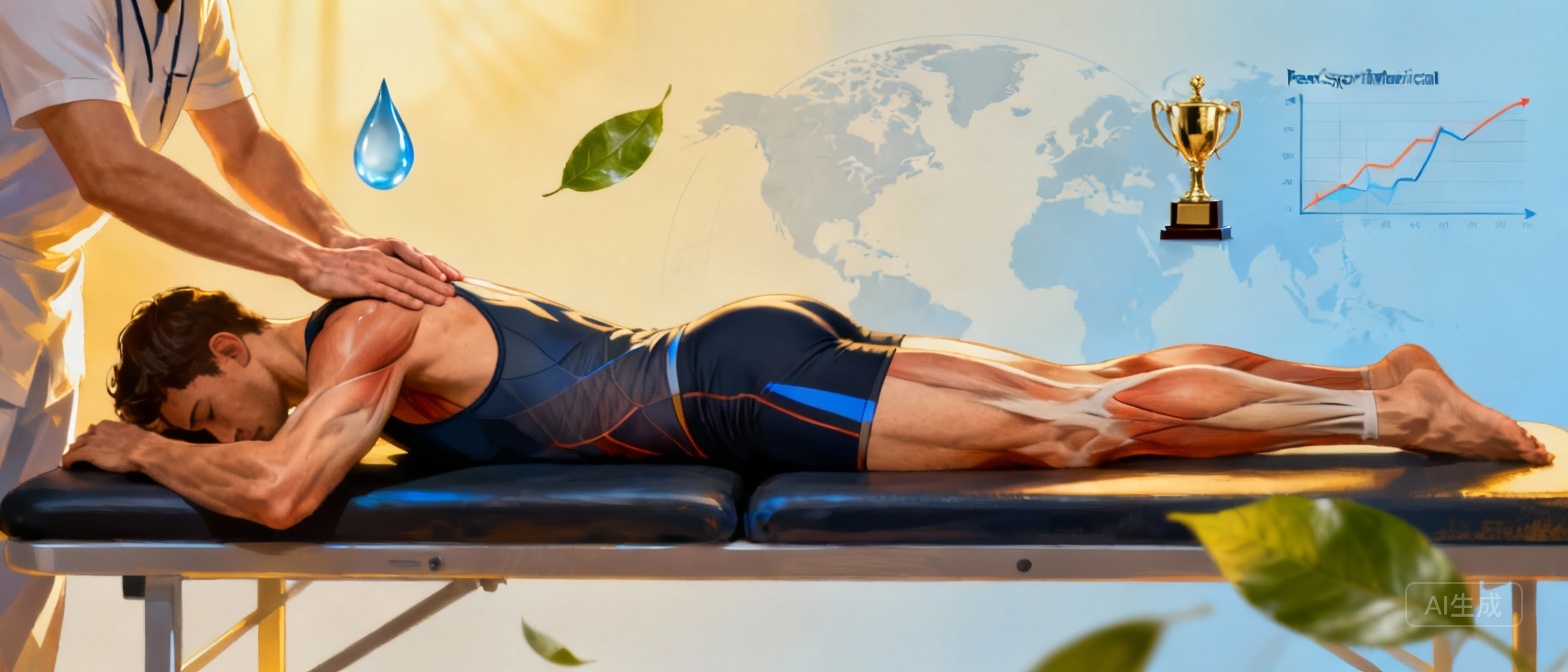
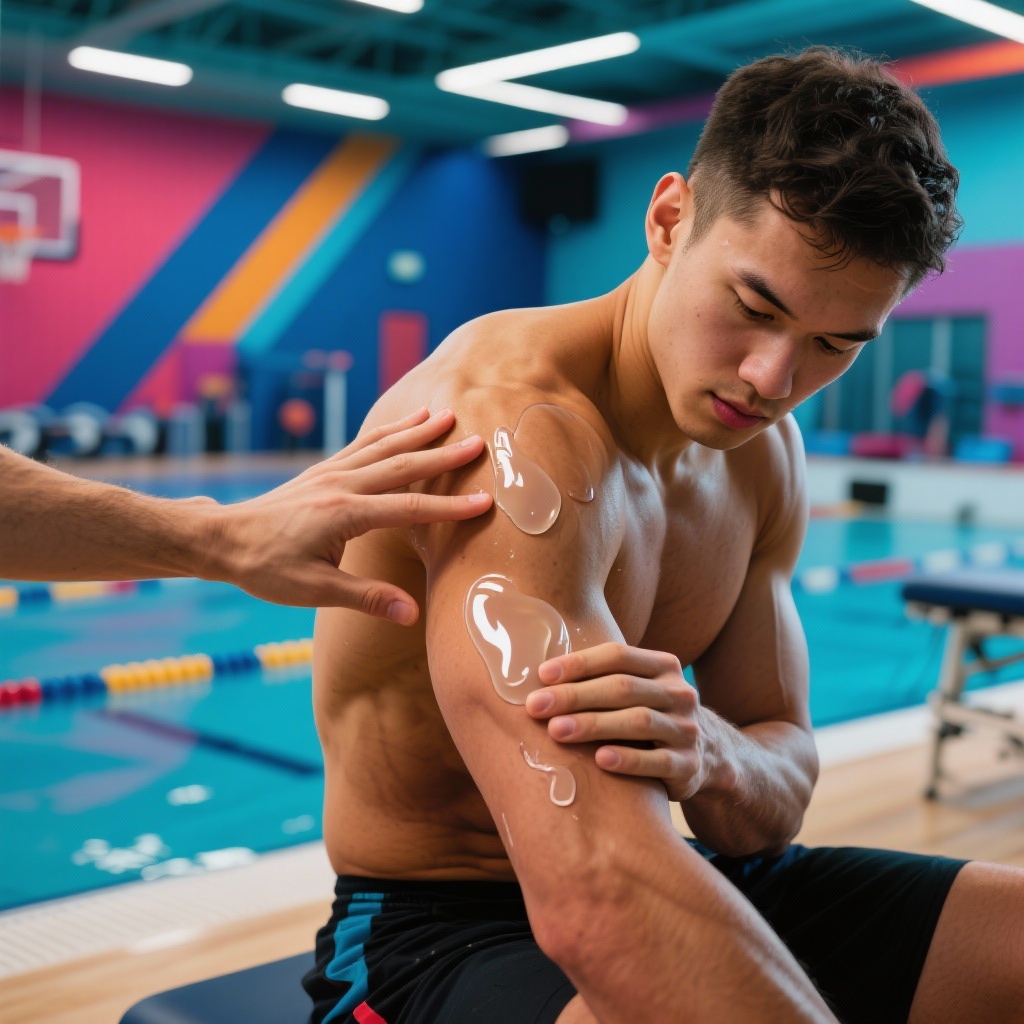
In recent years, numerous NBA players have integrated Gua Sha for Sports Recovery into their daily recovery routines. Famous swimmer Michael Phelps showcased its use during the Olympics, with his visible marks sparking global curiosity. American professional basketball therapists observed that Gua Sha swiftly eases muscle tension and promotes relaxation. It also accelerates lactic acid clearance from the body, promoting rapid muscle rejuvenation. Ultimately, this traditional technique significantly cuts down athlete recovery times, greatly enhancing performance.
Release Tension: Accelerate Muscle Repair
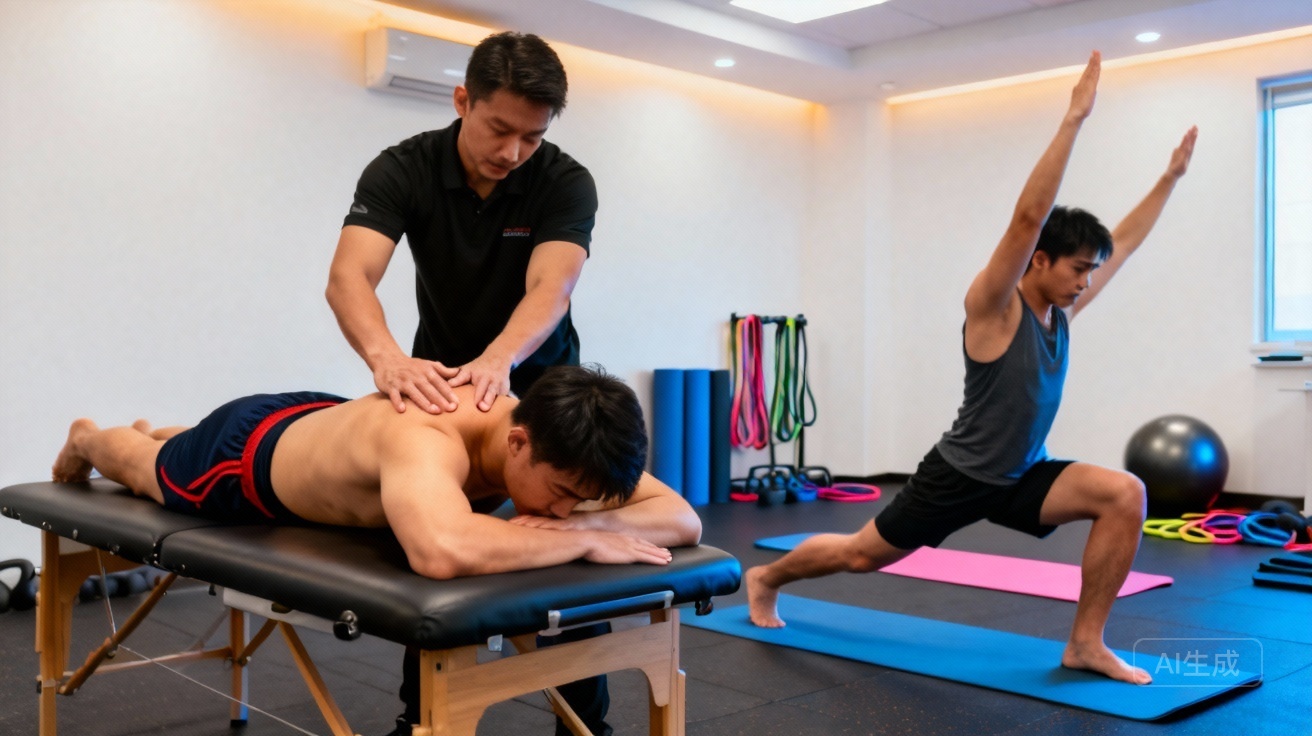
Top European football clubs, like Germany’s Bayern Munich and England’s Manchester United, now incorporate Gua Sha for Sports Recovery. This Gua Sha technique [link to /tcm-basics/gua-sha/] addresses common issues for soccer players. These include calf muscle strains and lower back pain. Gua Sha consistently demonstrates unique advantages for these athletes. Club medical teams conducted comparative studies on its effectiveness. They found Gua Sha combined with rehabilitation improved outcomes over 30% more than physical therapy alone.
Strategically, European Football Giants Leverage Gua Sha
Soothe Aches: Enhance Injury Resolution
Prominent American universities, including Stanford and UCLA, actively adopt Gua Sha therapy. Their sports medicine centers address student athletes’ training fatigue and injuries. They have established standardized Gua Sha recovery protocols. Research indicates that athletes receiving regular Gua Sha treatments performed better. They showed improved results in both endurance tests and flexibility assessments for overall healthy living [link to /healthy-living/].
Astoundingly, Universities Boost Athlete Performance with Gua Sha
Improve Performance: Boost Endurance and Flexibility
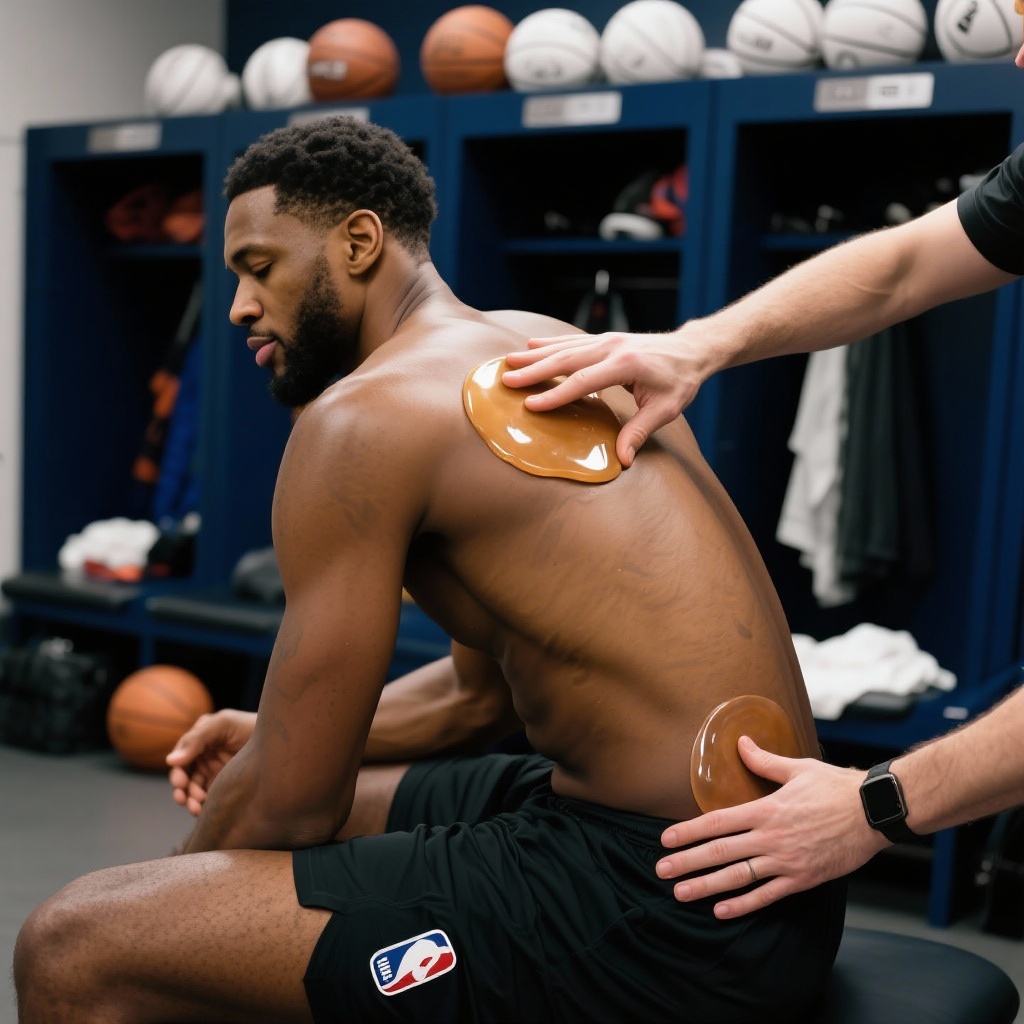
Olympic training centers globally have integrated Gua Sha into their official recovery protocols. The Australian national swimming team and the Canadian ice hockey team are prime examples. They combine traditional methods with Western sports medicine principles. This collaboration develops specialized Gua Sha plans for various athletic disciplines. Ice hockey players use Gua Sha to relieve shoulder and neck tension effectively. Swimmers utilize it to improve their shoulder joint range of motion.
Globally, Olympic Training Centers Optimize Recovery with Gua Sha
Optimize Movement: Maximize Range of Motion
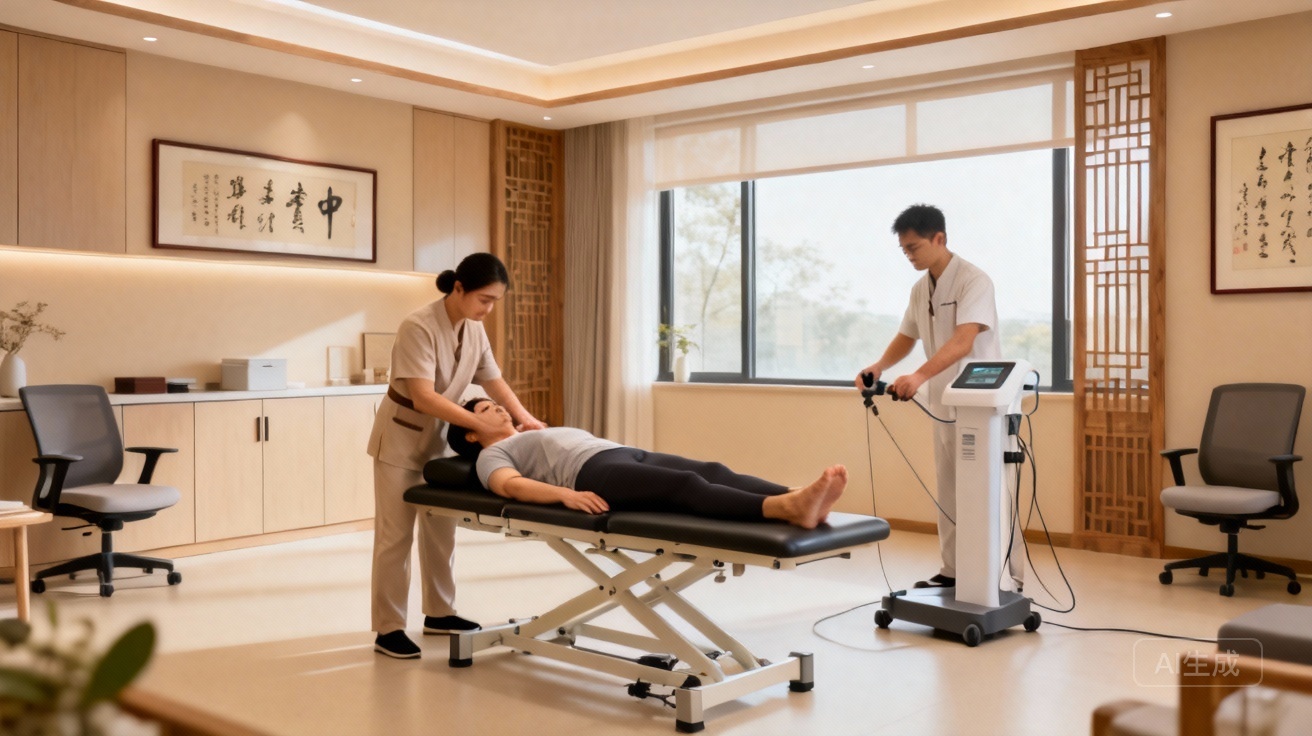
Many rehabilitation centers, certified by the American Physical Therapy Association, now list Gua Sha as an auxiliary treatment. It significantly aids late-stage sports injury recovery, supporting overall athletic well-being and physical restoration. This effective healing technique known as Gua Sha for Sports Recovery helps athletes regain their strength, mobility, and peak performance, minimizing downtime and fostering holistic athletic rehabilitation. Gua Sha effectively promotes local blood circulation, a vital component of Qi and Blood [link to /tcm-basics/qi-blood/] flow. It also distinctly reduces scar tissue formation. Therapists report that combining Gua Sha with traditional rehab shortens recovery periods by 15-20%. This provides a quicker return to activity.
Effectively, Rehabilitation Centers Integrate Gua Sha for Healing
Heal Faster: Reduce Scarring and Swelling
International sports medicine research projects are now dedicated to Gua Sha rehabilitation studies. Collaborative efforts, such as those between the U.S. and China, or Germany and China, lead these initiatives. They conduct large-sample controlled studies. These trials validate Gua Sha's varying effects across different sports injury recoveries. These robust scientific data points powerfully support Gua Sha’s global promotion within sports rehabilitation.
Crucially, International Research Validates Gua Sha's Impact
Gather Evidence: Validate Therapeutic Outcomes
International sports medicine conferences now offer specialized Gua Sha rehabilitation training courses. A certification system for global rehabilitation therapists has also been established. This initiative drives the standardized development of Gua Sha for Sports Recovery techniques worldwide. It ensures consistent, high-quality application in the broader sports recovery landscape for Gua Sha for Sports Recovery.
Progressively, Training Systems Standardize Gua Sha Globally
Advance Expertise: Standardize Global Practices
References
- (A meta-analysis confirmed Gua Sha effectively reduces lactic acid accumulation in athletes, improving recovery) (PMID: 35508823)
- (Systematic review showed Gua Sha is a promising therapy for various musculoskeletal pains often associated with sports injuries) (PMID: 35086884)
- (Research supports Gua Sha's role in alleviating neck and shoulder pain, common for athletes) (PMID: 36767931)
Quick Relief: Your 3-Second Self-Test & 30-Second Self-Rescue
If your muscles feel persistently tight or recovery feels sluggish after a workout, immediately consider Gua Sha. If you notice specific muscle knots or areas of discomfort, immediately try applying a small amount of massage oil and gently gliding a smooth ceramic spoon edge over a sore area, feeling for relief. If self-application provides temporary comfort but issues persist, immediately seek a consultation with a certified Gua Sha practitioner or sports therapist for personalized treatment.
Medical Disclaimer:This article is for educational use only and is not a substitute for professional medical advice.